Porcelain Crown vs. Zirconia Crown: What's the Difference?

The short version: porcelain crowns look the most like natural teeth and are best for front teeth where appearance matters most. Zirconia crowns are far stronger and last longer, making them the smart choice for molars and patients who grind their teeth. Most patients benefit from porcelain in the front and zirconia in the back, though new layered zirconia products are starting to compete on appearance too.
Casas Adobes Dentistry has placed thousands of crowns across Tucson, Oro Valley, Marana, and the Catalina Foothills using both porcelain and zirconia, including all the modern variations between them. The right choice depends on which tooth, what caused the damage, your bite, and what you want the result to look and feel like. This guide walks through how to choose without the marketing language each material's manufacturers use.
In This Guide
- The Quick Answer
- What Each Crown Material Actually Is
- Strength: Which Crown Holds Up Better
- Appearance: Which Crown Looks More Natural
- Longevity: How Long Each Crown Lasts
- Cost Comparison
- When Porcelain Is the Right Choice
- When Zirconia Is the Right Choice
- Side-by-Side Comparison
- Hybrid Options: Porcelain-Fused-to-Zirconia
- How We Help You Choose
- FAQ
The Quick Answer
Both materials make excellent dental crowns. The choice depends on which tooth needs the crown and what matters most to you.
Pick Porcelain When
Pick porcelain for visible front teeth where natural appearance is the top priority, when the tooth has light biting force, or when you want a crown that closely matches the translucency of surrounding teeth.
Pick Zirconia When
Pick zirconia for back teeth and molars that handle heavy chewing, when you grind or clench your teeth, when the tooth has lost significant structure and needs maximum strength, or when you want the longest-lasting crown option available today.
The Modern Hybrid Approach
For many patients, a layered zirconia crown (zirconia core with porcelain layered on top) offers the strength of zirconia with appearance close to porcelain. This is often the right answer for premolars and patients who want both qualities.
What Each Crown Material Actually Is
Understanding the basic material science helps the decision make sense.
Porcelain Crowns
Porcelain is a ceramic material made from natural feldspar, quartz, and other minerals fired at high temperatures. Modern dental porcelain, sometimes called lithium disilicate or branded as e.max, has been refined over decades to closely mimic the optical properties of natural tooth enamel. It absorbs and reflects light in a way that makes it nearly indistinguishable from a real tooth when properly placed.
The downside is brittleness. Porcelain is hard but not particularly tough, which means it can chip or crack under heavy force, especially in back teeth that grind food.
Zirconia Crowns
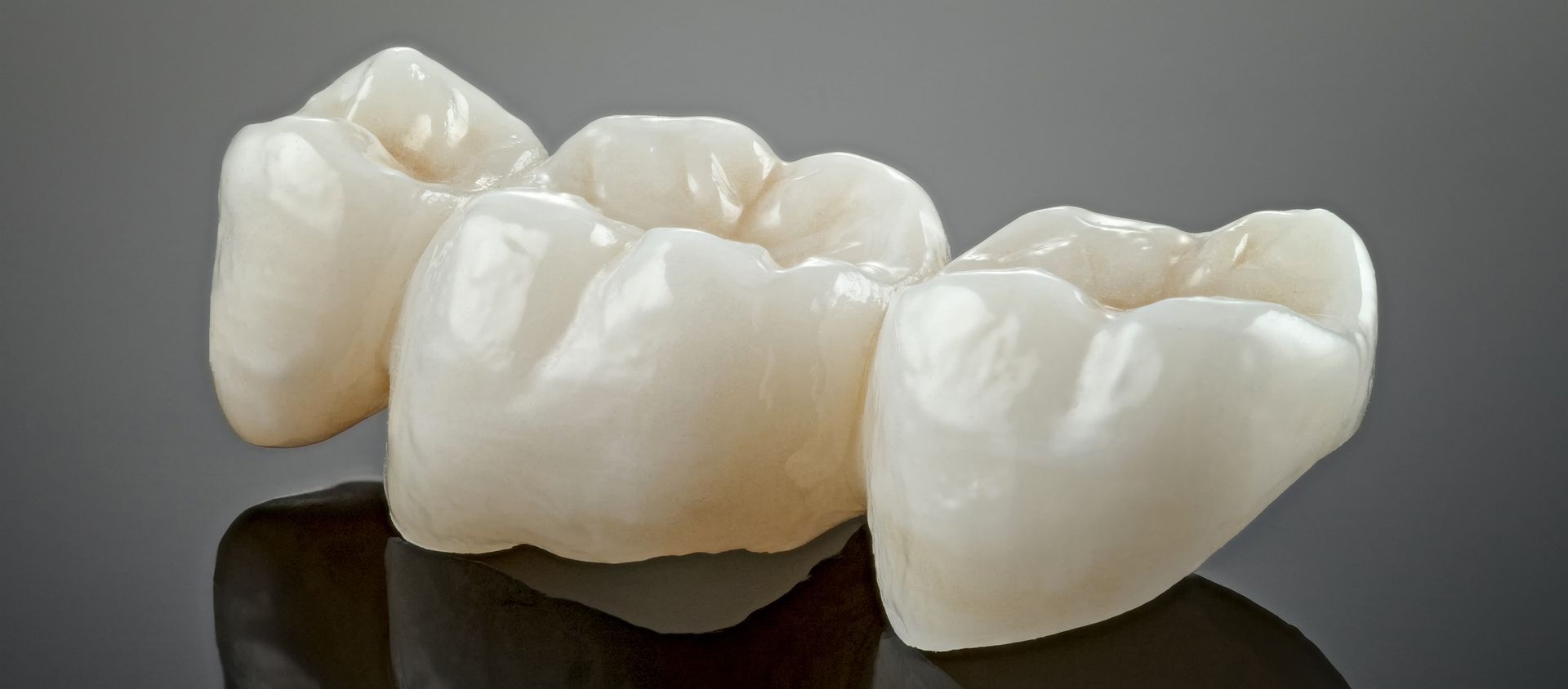
Zirconia is a crystalline ceramic, technically zirconium dioxide. It is one of the strongest dental materials available, with flexural strength two to three times that of porcelain. Modern zirconia comes in different translucencies, from highly opaque (strongest, used for posterior crowns) to more translucent (closer to natural appearance, used for visible teeth).
The tradeoff has historically been appearance. Older zirconia looked too opaque and white, missing the subtle translucency of natural teeth. Newer multi-layered zirconia products have closed much of that gap.
Strength: Which Crown Holds Up Better
This is where zirconia wins clearly. Strength matters for any tooth, but it matters most for molars that bear heavy chewing forces and for patients with grinding habits.
Porcelain crowns are strong enough for most situations but can fracture under heavy bite force or sudden impact (a hard food, an accidental bite on a bone). Zirconia is significantly more fracture-resistant, which is why it has become the default choice for back teeth in modern dentistry.
For patients who grind or clench their teeth at night (a condition called bruxism), zirconia is almost always the right choice. The repeated force that causes the grinding habit also stresses porcelain over time, leading to chipping or cracking. Zirconia handles it without damage.
Appearance: Which Crown Looks More Natural
This is where porcelain has traditionally won, though the gap is narrowing.
Porcelain's Visual Advantage
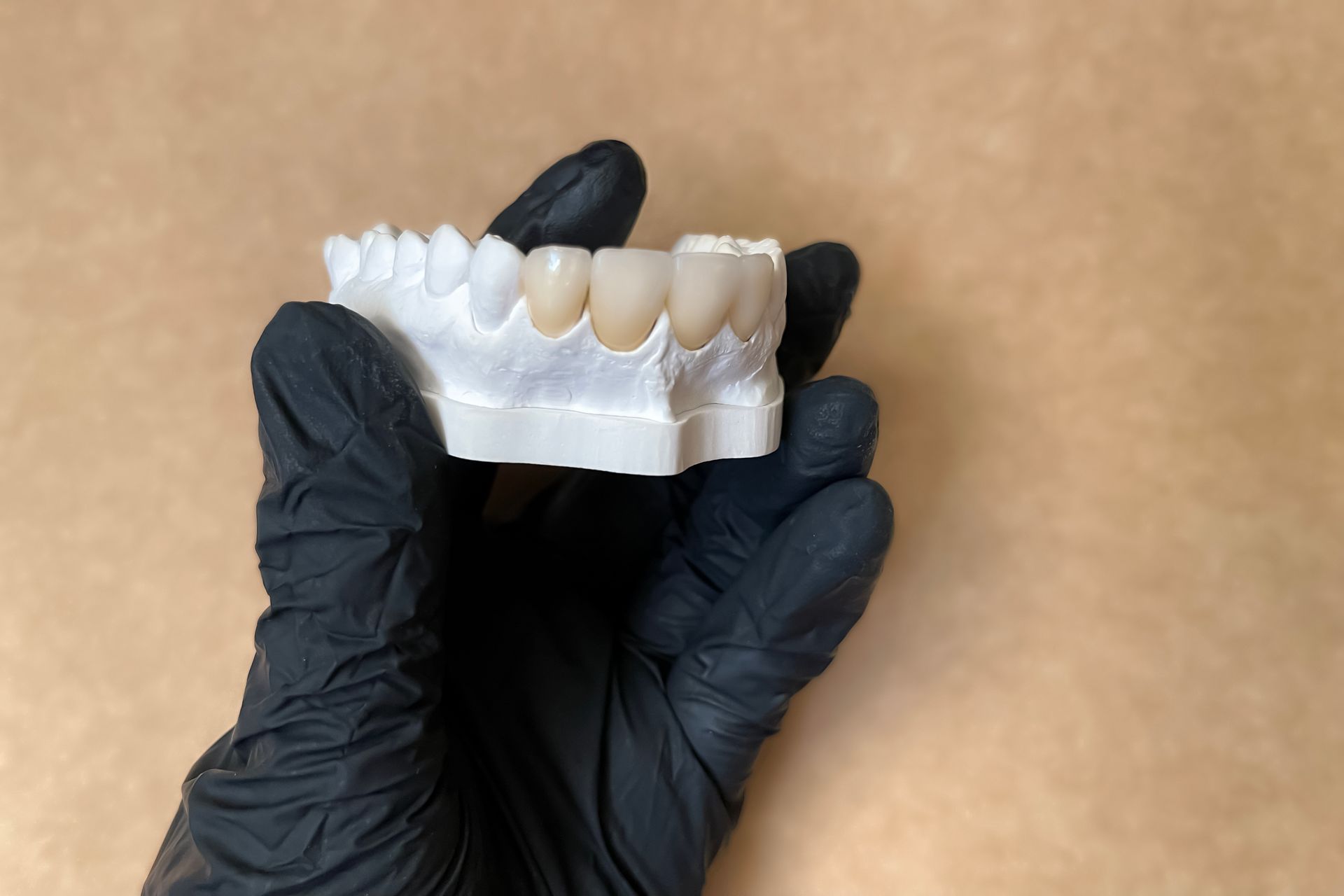
Porcelain has natural translucency, the way light passes partway through the material before reflecting back. This is exactly how natural enamel behaves, which is why a well-made porcelain crown is genuinely difficult to distinguish from real teeth, even up close. For front teeth, especially the upper four front teeth that show most when you smile, porcelain remains the gold standard.
A skilled lab can stain and layer porcelain to match neighboring teeth precisely, including subtle color variations and surface texture. Our cosmetic dentistry team works closely with lab technicians on these cases to get the appearance exactly right.
Zirconia's Improving Appearance
Older monolithic zirconia looked opaque and uniformly white, which was fine for hidden molars but obvious on visible teeth. Modern multi-layered zirconia has gradient color and improved translucency, making it acceptable for many premolar and even some front-tooth cases.
For patients who want a single material for all crowns and need the strength of zirconia, layered zirconia is usually the right compromise. For patients prioritizing pure appearance on visible teeth, porcelain still wins.
Longevity: How Long Each Crown Lasts
Both materials are durable, but the lifespan in real-world use is different.
Porcelain Crown Lifespan
A well-made porcelain crown typically lasts 10 to 15 years, sometimes longer with excellent oral hygiene and a good bite. The most common reasons for replacement are chipping, cracking, or wear at the margin where the crown meets the natural tooth.
Zirconia Crown Lifespan
Zirconia crowns can last 15 to 20 years or more. The material itself is essentially indestructible under normal chewing forces. When zirconia crowns are replaced, it is usually because of changes in the underlying tooth (new decay at the margin) rather than failure of the crown itself.
What Affects Lifespan for Both
The crown material is only part of the lifespan equation. Other factors matter just as much:
- Oral hygiene: Brushing and flossing prevents decay at the crown margin, which is the most common reason crowns need replacement.
- Grinding habits: Patients who grind without a night guard shorten any crown's life.
- Diet: Frequent hard or sticky foods stress crowns over time.
- The dentist's work: A properly fitted crown lasts much longer than one with margin gaps or bite issues.
- Regular checkups: Catching small problems early extends the life of any crown.
Cost Comparison
Crown cost in Tucson varies by material, complexity, and whether any preparation work is needed before placement.
Standard Pricing Ranges
Porcelain crowns and standard zirconia crowns are usually in a similar price range, with porcelain slightly less expensive on average. Layered or aesthetic zirconia (the more natural-looking variants) cost more because they require more lab work and skilled finishing. Premium aesthetic porcelain for front-tooth cases can match or exceed the cost of premium zirconia depending on the level of customization.
What Drives Price Differences
The main cost drivers beyond material are the complexity of the case, whether additional treatment is needed (a root canal, a build-up, or a gum procedure), and the level of customization for color and shape matching. Front-tooth crowns next to other natural teeth often cost more than back-tooth crowns because the shade matching and shaping requires more lab time.
Insurance and Out-of-Pocket Cost
Most dental insurance plans cover crowns at similar rates regardless of material, though there are exceptions. Some plans have separate pricing tiers for porcelain versus zirconia, and some only cover the cost of a standard crown while you pay the difference for upgraded materials. We verify your specific coverage before treatment and provide a written estimate with the out-of-pocket cost. For broader pricing context, our
guide on how much dental crowns cost covers the full picture.
When Porcelain Is the Right Choice
Porcelain is the smarter choice in specific situations.
Front Tooth Crowns
The four upper front teeth are the most visible part of your smile. Porcelain matches the translucency of natural enamel in a way zirconia still cannot fully replicate, especially under different lighting conditions. For a single crown placed next to natural teeth, porcelain almost always looks more natural.
Cosmetic Smile Makeovers
When a patient wants to upgrade multiple front teeth at once (a smile makeover), porcelain veneers and crowns deliver the most natural-looking result. The translucency, the way light moves through the material, and the ability to layer custom color make porcelain the gold standard for cosmetic work.
Light Bite Force Situations
For teeth that do not handle heavy chewing (front teeth, certain canine restorations), porcelain's lower strength is not a limiting factor. The cosmetic advantages take priority.
For a deeper look at how front-tooth crowns are placed and what to expect, see our
front tooth dental crown procedure guide.
When Zirconia Is the Right Choice
Zirconia is the better choice in most other situations.
Molars and Posterior Teeth
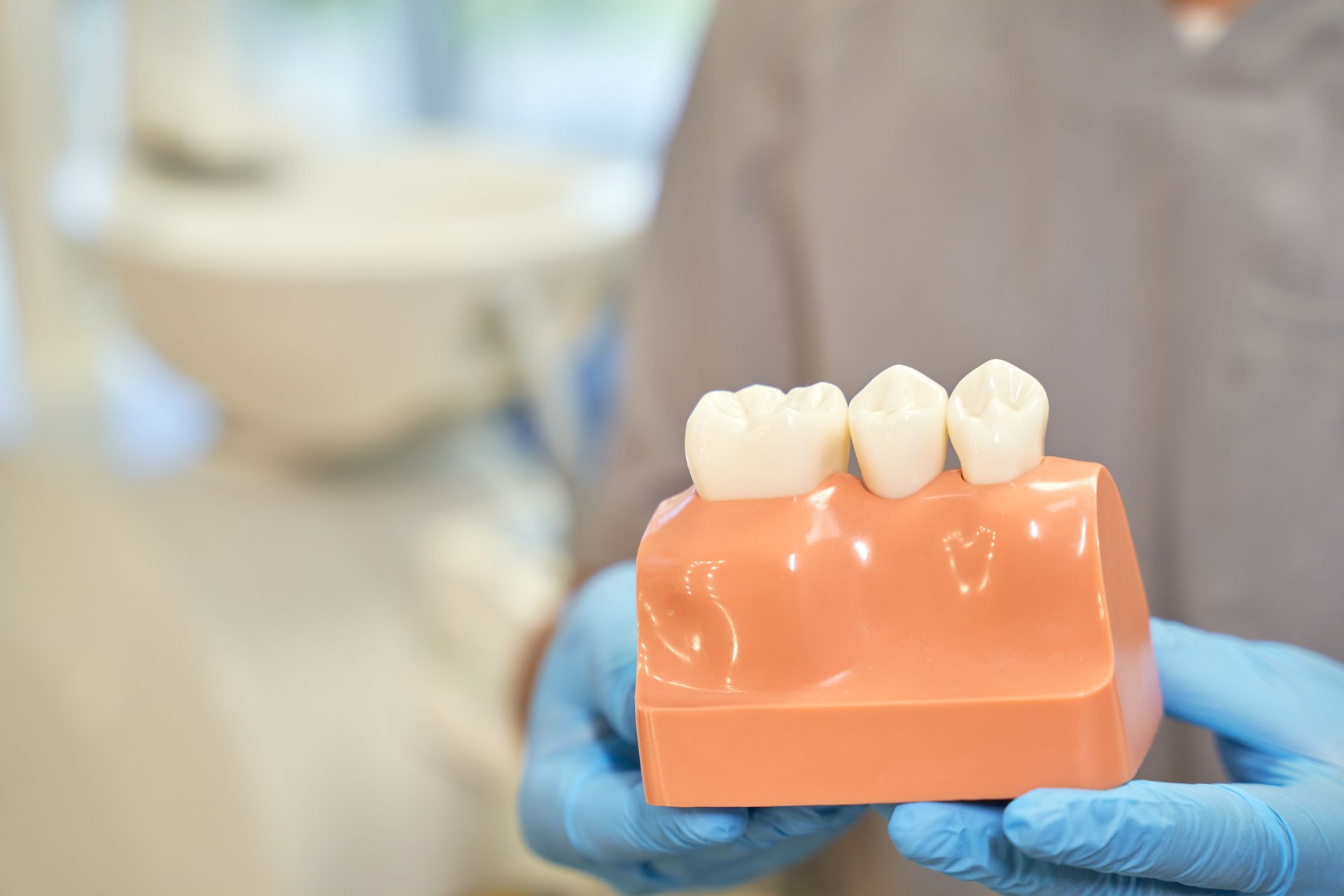
Back teeth do the heavy work of chewing. The forces involved are several times higher than front teeth. Zirconia's strength makes it the default for molars and second premolars in modern dentistry.
Patients Who Grind or Clench
If you grind your teeth at night (bruxism) or clench during the day, porcelain crowns are at higher risk of chipping or fracturing. Zirconia handles the constant force without damage. Many patients only discover their grinding habit when a porcelain crown chips. Going with zirconia from the start avoids that problem.
Crowns After Root Canal Therapy
A tooth that has had a root canal becomes more brittle over time. The crown needs to protect it from fracture under normal chewing. Zirconia provides that protection more reliably than porcelain, especially on molars. Our guide on dental crown placement after a root canal covers this combination in detail.
When the Tooth Has Lost Significant Structure
If the original tooth has been heavily damaged or has had multiple previous restorations, the crown needs maximum strength to protect what is left. Zirconia is the safer choice in these cases.
Side-by-Side Comparison
This is the comparison most patients want on one screen.
| Stage | Timeline | What Happens |
|---|---|---|
| Soft tissue healing | 1 to 2 weeks | Gums close over the graft |
| Initial bone formation | 6 to 8 weeks | Your body begins building new bone around the graft |
| Bone maturation | 3 to 6 months | New bone becomes dense enough to support an implant |
| Implant placement | 4 to 9 months after graft | Depends on graft size and your healing |
| Implant osseointegration | 3 to 6 more months | Implant fuses with the newly built bone |
| Final crown | After osseointegration | Permanent restoration placed |
Hybrid Options: Porcelain-Fused-to-Zirconia
A common middle option is a zirconia core with porcelain layered on top of the visible surfaces. This combines the strength of zirconia underneath with the appearance of porcelain where it shows.
Where Hybrid Crowns Work Well
Hybrid crowns are popular for premolars (the teeth between canines and molars) because they are visible when you smile but still bear significant chewing force. The zirconia core handles the force, and the porcelain surface gives natural appearance.
The Tradeoff
The porcelain layer can still chip over time, though the zirconia underneath remains intact. When the porcelain chips, the result is usually a small cosmetic issue rather than a structural failure. Some patients prefer the all-zirconia approach for premolars to avoid this risk entirely.
The right choice between full porcelain, full zirconia, and hybrid depends on the specific tooth, your bite, and your priorities. This is exactly the conversation we have at the consultation, with imaging and a clear explanation of options.
How We Help You Choose
At Casas Adobes Dentistry, we walk through the options with every patient who needs a crown. Our process is consistent:
We examine the tooth and surrounding bite. We discuss your priorities (appearance, longevity, cost, history of grinding). We explain what each material would look like in your specific case, with the tooth location and what surrounds it. We show similar cases from our smile gallery when helpful. We provide a written treatment plan with material recommendations and pricing.
What the Crown Placement Process Looks Like
Whichever material you choose, the placement process is similar. The first visit involves preparing the tooth (removing decay and shaping it to receive the crown), taking digital impressions, and placing a temporary crown. The lab then fabricates the permanent crown to match your bite and surrounding teeth. At the second visit, the temporary is removed and the permanent crown is bonded into place. The whole process usually takes two to three weeks from start to finish, though same-day crown technology is available for select cases.
Caring for Your Crown After Placement
Both porcelain and zirconia crowns need the same basic care: regular brushing and flossing, attention to the gum line at the crown margin, and routine dental checkups every six months. Patients who grind their teeth should wear a night guard to protect any crown, but especially porcelain. Avoiding extremely hard foods (ice, hard candy, popcorn kernels) extends the life of any crown by years.
The right answer between porcelain, zirconia, and hybrid depends on the tooth and the patient, not on which material is "best" in the abstract. A patient with strong cosmetic priorities and no grinding history makes different choices than a patient who grinds their teeth and needs a molar crown. Both choices are right for their situation.
To schedule a consultation and discuss which crown material fits your situation,
contact us. We see patients across Tucson and the surrounding communities and are happy to walk through every option before any treatment is scheduled.

Frequently Asked Questions
Which crown lasts longer, porcelain or zirconia?
Zirconia lasts longer on average, typically 15 to 20 years compared to 10 to 15 for porcelain. The difference is biggest on molars and for patients who grind their teeth. Front teeth in light-bite situations may see similar lifespans for both.
Can people tell the difference between porcelain and zirconia crowns?
For front teeth, sometimes yes. Pure white opaque zirconia can look slightly different from natural teeth under certain lighting. Porcelain and layered zirconia both look natural enough that most people would not notice. For back teeth, no one can tell.
Is zirconia harder on the opposing teeth than porcelain?
Older zirconia could wear down opposing teeth more than enamel does, but modern polished zirconia is much gentler. With proper polishing, the wear difference between zirconia and porcelain is minimal in most cases.
Are zirconia crowns worth the extra cost?
For molars, patients who grind, and teeth after root canal therapy, yes. The added durability is worth the marginal cost difference. For front teeth in light-bite situations, porcelain often delivers better value because the strength advantage of zirconia is less important and the appearance advantage of porcelain matters more.
Can a zirconia or porcelain crown be repaired if it chips?
Porcelain can sometimes be repaired with bonding if the chip is small and on an accessible surface. Zirconia is essentially impossible to repair because of its hardness, but it rarely chips in the first place. In both cases, larger fractures usually require replacement.
Share this Post
Casas Adobes Dentistry Blog