How Long Do Dentures Last Before They Need to Be Replaced?

Most dentures last about five to ten years before they need to be replaced, though the exact lifespan depends on the type of denture, how well you care for it, and the natural changes in your mouth over time. Full and partial dentures typically last five to ten years, while the softer relines and immediate dentures have shorter lifespans. Even a well-made denture eventually needs replacing, because your gums and jawbone gradually change shape and the denture itself wears down.
At Casas Adobes Dentistry in Tucson, AZ, we make, fit, and replace dentures for patients throughout the Tucson and Casas Adobes area, so we see firsthand how long different dentures hold up and what makes them last. Below we break down the typical lifespans, what shortens or extends them, and the signs it is time for a new set.
Start with the general timeline, then see what affects it and when to replace.
In This Guide
- How long dentures typically last: Lifespans by type.
- Typical lifespans at a glance: The ranges side by side.
- What affects how long dentures last: The variables that matter.
- Why dentures do not last forever: The role of your changing mouth.
- Signs it is time to replace your dentures: What to watch for.
- Relining vs replacing: Two different fixes.
- How to make your dentures last longer: Habits that help.
- Frequently asked questions: Quick answers to common questions.

How Long Dentures Typically Last
Denture lifespan varies by type, so it helps to look at each one. These are general ranges based on typical wear, and your own experience may differ.
Full and Partial Dentures
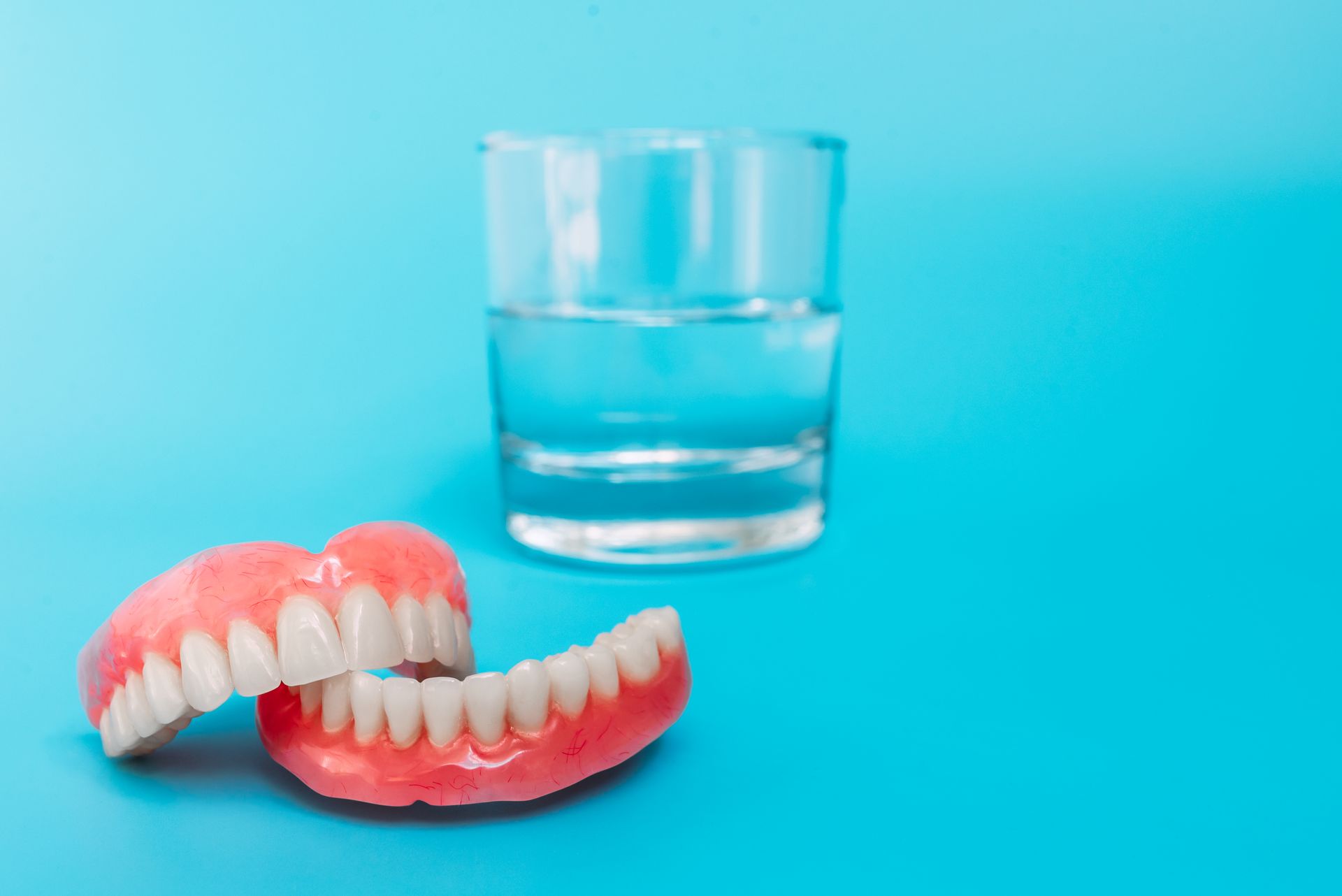
Full dentures, which replace an entire arch of teeth, generally last around five to ten years with good care. Partial dentures, which replace a few teeth and clasp onto your natural ones, fall in a similar range with proper maintenance.
The American College of Prosthodontists notes that dentures generally need replacing about every five years, which is a useful rule of thumb. Many people get longer than that, but five years is a reasonable point to start expecting wear and to have the fit checked.
Immediate and Temporary Dentures
Immediate dentures, placed right after your teeth are removed, have a shorter useful life because your gums change quickly as they heal. They are usually relined or replaced within the first year, once the gums have settled.
Temporary dentures are, by design, meant to last only a few months while you wait for a permanent restoration. They are not built for long-term wear and should be replaced on schedule.
Typical Lifespans at a Glance
This table sums up the general lifespan of each denture type and why it varies.
| Denture Type | Typical Lifespan | Why |
|---|---|---|
| Full dentures | About 5 to 10 years | Wear plus changing gums |
| Partial dentures | About 5 to 10 years | Wear plus clasp fit |
| Immediate dentures | Under a year to reline | Gums heal and reshape fast |
| Temporary dentures | A few months | Built only for short-term use |
Use these as a starting expectation, not a hard deadline. Your own dentures may last a bit less or well beyond the range depending on the factors below.
What Affects How Long Dentures Last
Two people with the same dentures can need replacements years apart. Several factors explain the difference, and most of them are at least partly within your control.
Care and Daily Habits
How you care for your dentures has a large effect on their lifespan. Daily cleaning, careful handling, and proper storage all help them last for years, while neglect or rough handling shortens their life.
- Daily cleaning prevents buildup that wears the denture.
- Careful handling avoids the drops that crack or chip them.
- Proper storage keeps them from drying out and warping.
- Regular checkups catch small problems before they grow into bigger ones.
Small habits add up over years. Rinsing your dentures after meals, brushing them daily without harsh abrasives, and never using hot water that can warp them all protect the material. A denture that is cleaned gently and consistently simply holds up better than one that is scrubbed hard or left to dry out.
Material and Fit
The quality of the materials and how well the denture was fitted also matter. A well-made, properly fitted denture from a professional lasts longer than a poor-fitting one.
A denture that fits well also puts less stress on itself and your gums during everyday use. That is one reason a professional fitting is worth it, since it protects both your comfort and the denture's lifespan.
Higher-grade acrylics and, in partials, well-designed metal frameworks resist wear and breakage better than budget alternatives. This is part of why dentures made and fitted by a dental professional tend to outlast cheaper mail-order or one-size options, which often need replacing much sooner.
Changes in Your Mouth
The biggest factor is often outside the denture itself. Your gums and jawbone naturally change shape over the years, especially after teeth are removed, and that gradually affects how the denture fits.
This is why even a perfectly maintained denture eventually needs attention. The denture has not necessarily failed; your mouth has simply changed around it.
Why Dentures Do Not Last Forever
It can be frustrating to replace a denture that still looks fine, so it helps to understand why it happens. The reason is mostly about your mouth, not the denture, and knowing that makes the timeline easier to accept.
Bone and Gum Changes
When teeth are removed, the jawbone underneath begins to shrink over time, a process called resorption. As the bone changes, the gums that sit on it change too, and the denture that once fit snugly starts to loosen.
This process is gradual but continuous, which is why a denture that fit perfectly a few years ago may feel loose today. It is a normal part of wearing dentures, not a sign you did anything wrong.
Bone loss tends to be fastest in the first year after teeth are removed and then slows, but it never fully stops. That early, rapid change is exactly why immediate dentures need relining or replacing so soon, and why even long-time denture wearers should expect the fit to keep drifting over the years.
Normal Wear
Dentures also simply wear out. The chewing surfaces wear down with years of use, the materials can stain or weaken, and the fit degrades along with your changing mouth.
Between the wear on the denture and the changes in your mouth, replacement becomes necessary even for the best-cared-for set. Planning for it every several years keeps you ahead of the problem.
Worn denture teeth do more than look aged; they change how you chew and can throw off your bite, which over time affects your remaining teeth, jaw comfort, and even your nutrition if chewing becomes difficult. Replacing a worn set on time protects more than your smile.
Signs It Is Time to Replace Your Dentures
Rather than watching the calendar alone, watch for these signs. They tell you a denture is nearing the end of its useful life, often before the calendar would.
Fit and Comfort Signs
- Looseness or slipping when you eat or talk.
- Sore spots or irritation that keep coming back.
- The need for more adhesive than you used to use.
- Difficulty chewing foods you used to manage easily and comfortably.
Appearance and Age Signs
- Visible wear on the teeth or cracks in the base.
- Staining or a worn look that cleaning does not fix.
- A denture more than five years old, even if it seems okay.
- Changes in your bite or facial appearance.
If you notice several of these, it is worth having your dentures evaluated. A quick exam can tell you whether a reline will do or a replacement is due, and catching it early keeps a loose or worn denture from causing sore spots or trouble eating in the meantime.
Relining vs Replacing
Not every ill-fitting denture needs to be replaced. Sometimes a reline restores the fit for a fraction of the cost and effort of a new set, so it helps to know the difference before assuming the worst.
What a Reline Does
A reline reshapes the underside of an existing denture so it fits your gums again as they change. It is a common way to extend a denture's life when the teeth and base are still in good shape.
Relines address fit, not wear. If your denture fits poorly but is otherwise sound, a reline is often the right, more affordable answer.
There are different types of relines, from a quick soft reline for tender gums to a more durable hard reline done in a lab. Which one suits you depends on your gum condition and how much the fit has changed, and we will recommend the right approach at your visit.
When Replacement Is the Answer
Replacement makes sense when the denture itself is worn out, cracked, or too old to restore. If the teeth are worn down or the base is damaged, a reline cannot fix that.
A replacement is also the moment to reassess whether a traditional denture is still the best fit for your life, since a lot may have changed since your last set. Some patients use the occasion to consider a more stable, longer-lasting option rather than simply remaking what they had.
We will tell you clearly which one your situation calls for. If you are weighing a longer-lasting option entirely, our comparison of
dentures versus dental implants in Tucson and our guide to
permanent, implant-supported dentures are good places to look.
How to Make Your Dentures Last Longer
You cannot stop your mouth from changing, but you can get the most life out of your dentures with a few good habits, and they make a real difference over the years.
Everyday Care
Consistent daily care is the single best thing you can do. Clean your dentures daily with a soft brush and denture cleaner, handle them over a towel or a basin of water to prevent breakage, and store them properly so they do not dry out.
If you use adhesive, applying it correctly helps the fit and reduces stress on the denture. Our step-by-step guide on how to put adhesive on dentures walks through it.
It also helps to give your gums a rest by removing your dentures overnight unless told otherwise, which lets the tissue recover and reduces irritation that can affect fit. Storing them in water or a soaking solution while you sleep keeps them from drying out and losing shape.
Regular Professional Care
Regular checkups let us catch small issues, adjust the fit, and reline when needed before problems get worse. That professional attention is a big part of why some dentures last well past five years.
These visits also protect your oral health beyond the denture itself. We can check your gums, any remaining natural teeth, and the tissues under a full denture for irritation or early problems, which matters because denture wearers still need routine oral health care even without all their natural teeth.
To learn more about your options or to have your current dentures evaluated, see our
dentures and partial dentures services or call our Tucson office. We will help you keep your smile comfortable and functional for as long as possible.
Getting the Most From Your Dentures
Most dentures last about five to ten years, with immediate and temporary dentures lasting less, and the real timeline depends on your care, the fit and materials, and the natural changes in your mouth. Watching for looseness, wear, and sore spots, and keeping up with checkups, helps you replace them at the right time rather than too late.
At Casas Adobes Dentistry, we help Tucson and Casas Adobes area patients get the longest, most comfortable life from their dentures and know when it is time for a new set. If your dentures are aging or no longer fitting well, reach out to our team for an evaluation. We will let you know whether a reline or a replacement is the right next step.

Frequently Asked Questions
How often should dentures be replaced?
Most dentures should be replaced about every five to ten years, and the American College of Prosthodontists suggests around five years as a general guideline. The exact timing depends on wear, fit, and how much your gums and jawbone have changed, so a periodic exam is the best way to know.
Can dentures last longer than ten years?
Some do, especially with excellent daily care and regular professional checkups. However, even a denture that still looks fine may need replacing because your mouth changes shape over time and the fit degrades, so age alone is a reason to have older dentures evaluated.
What makes dentures wear out faster?
Poor cleaning, rough handling that cracks or chips them, a poor initial fit, and skipping checkups all shorten a denture's life. Rapid changes in your gums and jawbone, which are common after teeth are removed, also affect the fit sooner.
Is it better to reline or replace my dentures?
It depends. If the denture teeth and base are still in good shape but the fit has loosened, a reline can restore the fit affordably. If the denture is worn, cracked, or too old, replacement is the better choice. An exam will tell you which one fits your situation.
How do I know my dentures need replacing and not just adjusting?
Loose fit, repeated sore spots, and needing more adhesive often point to a fit issue that a reline or adjustment can solve. Worn-down teeth, cracks in the base, staining that will not clean off, and age past five years point more toward a full replacement.
Share this Post
Casas Adobes Dentistry Blog