What Is Laser Dentistry? How It Works and When Dentists Use It

Laser dentistry uses focused beams of light energy in place of traditional tools like drills and scalpels for a range of dental procedures. Dentists use lasers to treat both soft tissue, such as the gums, and hard tissue, such as teeth and bone, for everything from gum disease treatment to removing decay. For many patients, laser procedures mean less discomfort, less bleeding, and faster healing.
At Casas Adobes Dentistry in Tucson, laser dentistry is part of how we deliver more comfortable, precise care. This guide explains what laser dentistry is, how dental lasers actually work, what they are used for, and what you can expect if your dentist recommends a laser procedure.
In This Guide
- What Laser Dentistry Is: The basic idea.
- How Dental Lasers Work: The technology behind it.
- Soft-Tissue vs. Hard-Tissue Lasers: The two main types.
- What Laser Dentistry Is Used For: Common procedures.
- The Benefits of Laser Dentistry: Why dentists use it.
- Laser vs. Traditional Dentistry: How they compare.
- Who Is a Good Candidate?: Is it right for you.
- Recovery After a Laser Procedure: What healing looks like.
- What to Expect and Is It Safe?: Your questions answered.
- Frequently Asked Questions: Quick answers for patients.
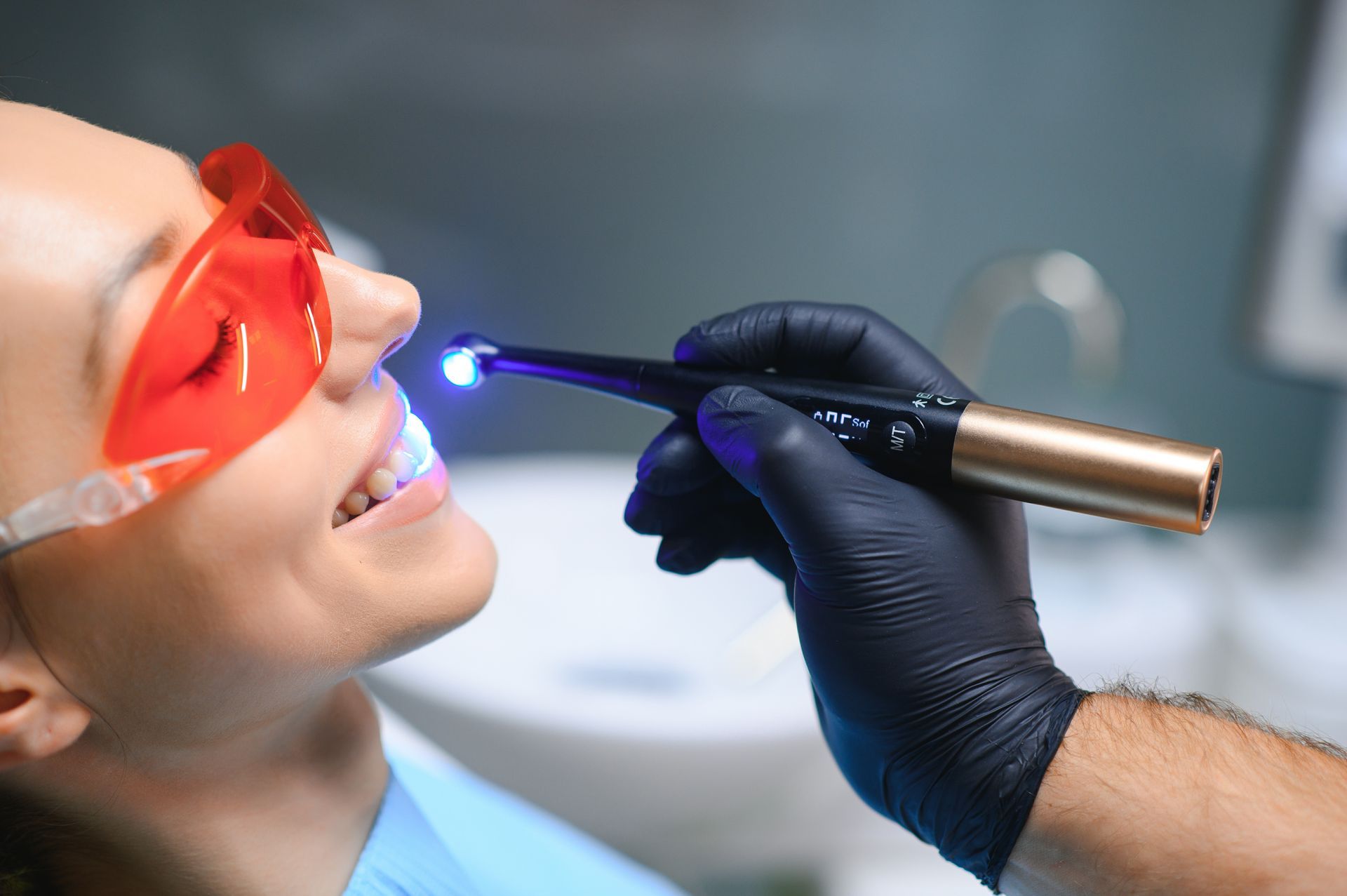
What Laser Dentistry Is
Laser dentistry is the use of dental lasers, instruments that deliver a concentrated beam of light energy, to perform dental treatments. The word laser stands for light amplification by stimulated emission of radiation, which simply describes a very focused, controlled beam of light. In dentistry, that focused energy can remove or reshape tissue, remove decay, and more, often with more precision than traditional tools, and with less impact on the surrounding healthy tissue.
The technology has been used in dentistry for decades and continues to grow as an option for many procedures. Rather than replacing all conventional tools, lasers are a precise alternative for specific treatments, chosen when they offer a gentler or more effective approach. You may hear the term used broadly, but laser dentistry is really a family of treatments, since different lasers and settings are suited to different jobs. What they share is the use of concentrated light energy to do work that would otherwise require a drill, a scalpel, or other traditional instruments.
How Dental Lasers Work
A dental laser works by delivering energy in the form of light at a specific wavelength. When that light reaches the target tissue, it is absorbed and converted to energy that can cut, remove, or reshape the tissue very precisely, or seal it as it works.
Different tissues and treatments call for different wavelengths, which is why there is more than one type of dental laser. The dentist controls the laser's intensity and focus, allowing very targeted work on a small area while leaving the surrounding tissue undisturbed, which is one of the main reasons lasers can be so gentle and precise compared with traditional instruments. Because the laser can seal blood vessels and nerve endings as it works, many soft-tissue procedures involve less bleeding and less discomfort than traditional methods.
Soft-Tissue vs. Hard-Tissue Lasers
Dental lasers fall into two broad categories based on what they are designed to treat. Each is suited to different procedures.
| Laser Type | What It Treats | Common Uses |
|---|---|---|
| Soft-tissue laser | Gums and other soft tissue | Gum disease treatment, reshaping gums, lesion removal |
| Hard-tissue laser | Teeth and bone | Removing decay, preparing teeth for fillings |
| Combination systems | Both, depending on setting | A range of procedures across tissue types |
Soft-tissue lasers are used on the gums and other soft tissues, making them well suited to periodontal care and gum contouring. Hard-tissue lasers are calibrated to work on the tooth structure and bone, so they can remove decay or prepare a tooth. Some systems are designed to handle both, giving the dentist flexibility across different treatments. The type of laser your dentist uses depends on the procedures they perform and the equipment their practice has invested in.
What Laser Dentistry Is Used For
Lasers have a wide and growing range of uses in dentistry. Your dentist may use one for a number of common procedures.
- Gum disease treatment, removing infected tissue and bacteria from around the teeth and gums.
- Gum reshaping and contouring, adjusting the gum line for health or appearance.
- Removing tooth decay and preparing a tooth for a filling in some cases.
- Treating canker sores and cold sores, easing discomfort and speeding healing.
- Removing or biopsying soft-tissue lesions with precision and minimal bleeding.
- Exposing tissue in certain procedures, such as uncovering a tooth or aiding other treatments.
Because a laser can be so precise and gentle, it is often a good option for procedures where comfort, minimal bleeding, and quick healing matter. Our overview of visiting a
laser dentist for a root canal is one example of how lasers fit into treatment. The specific procedures a given practice offers with a laser depend on the equipment they have and the training of the team, so the best way to know what is possible for your situation is to ask your own dentist what they use their laser for.
The Benefits of Laser Dentistry
The reasons dentists reach for a laser come down to precision and patient comfort. For the right procedure, lasers offer several real advantages over traditional tools.
Laser procedures often involve less pain, which can reduce or even eliminate the need for anesthesia in some cases. Because the laser can seal tissue as it works, there is typically less bleeding and swelling during soft-tissue procedures, and a lower risk of infection at the site. The precision of the beam means more of your healthy tissue is preserved, and many patients experience faster healing afterward. Our guide on how a
laser dentist can perform less painful dental care and our list of the
benefits of laser dentistry go deeper on these advantages.
Laser Dentistry vs. Traditional Dentistry
It helps to understand how laser treatment differs from the conventional approach, because the laser is not always the tool of choice, it is the better tool for certain jobs. Traditional dentistry relies on instruments like drills, scalpels, and sutures, which are proven and effective across nearly every procedure.
Where lasers stand out is in specific situations that call for precision and gentleness, particularly soft-tissue work on the gums. For those procedures, a laser can mean less bleeding, less need for stitches, and often less discomfort than a scalpel. For other tasks, a traditional tool may still be the most efficient and appropriate choice. A good dentist selects the right approach for each situation rather than using one method for everything, which is why many practices use lasers alongside conventional tools rather than in place of them.
Who Is a Good Candidate for Laser Dentistry?
Many patients are good candidates for laser dentistry, but whether it is right for you depends on the specific procedure you need. If your treatment is one that lasers handle well, such as gum disease treatment, gum reshaping, or certain soft-tissue work, you may be an excellent candidate.
Laser dentistry can be especially appealing for patients who feel anxious about dental treatment, since soft-tissue laser work often involves no drill noise or vibration and less discomfort. It can also be a good fit for people who want to minimize bleeding, such as those with certain health considerations, though your dentist will always review your medical history first. The best way to know whether a laser is suitable for your treatment is to ask your dentist, who can weigh your needs and recommend the most appropriate approach.
Recovery After a Laser Procedure
Recovery depends on the procedure, but many patients find that healing after laser treatment is comfortable and relatively quick. Because laser procedures can be gentler on the surrounding tissue and often involve less bleeding, there is frequently less swelling and soreness afterward than with traditional methods.
Your dentist will give you specific aftercare instructions for your treatment, which may include eating soft foods for a short time, keeping the area clean, and avoiding anything that could irritate the site while it heals. Following those instructions supports the faster healing that lasers can offer, and it helps the treated area settle comfortably in the days after your visit. As always, if you have unexpected pain, swelling, or other concerns during recovery, contact your dental office for guidance.
What to Expect and Is It Safe?
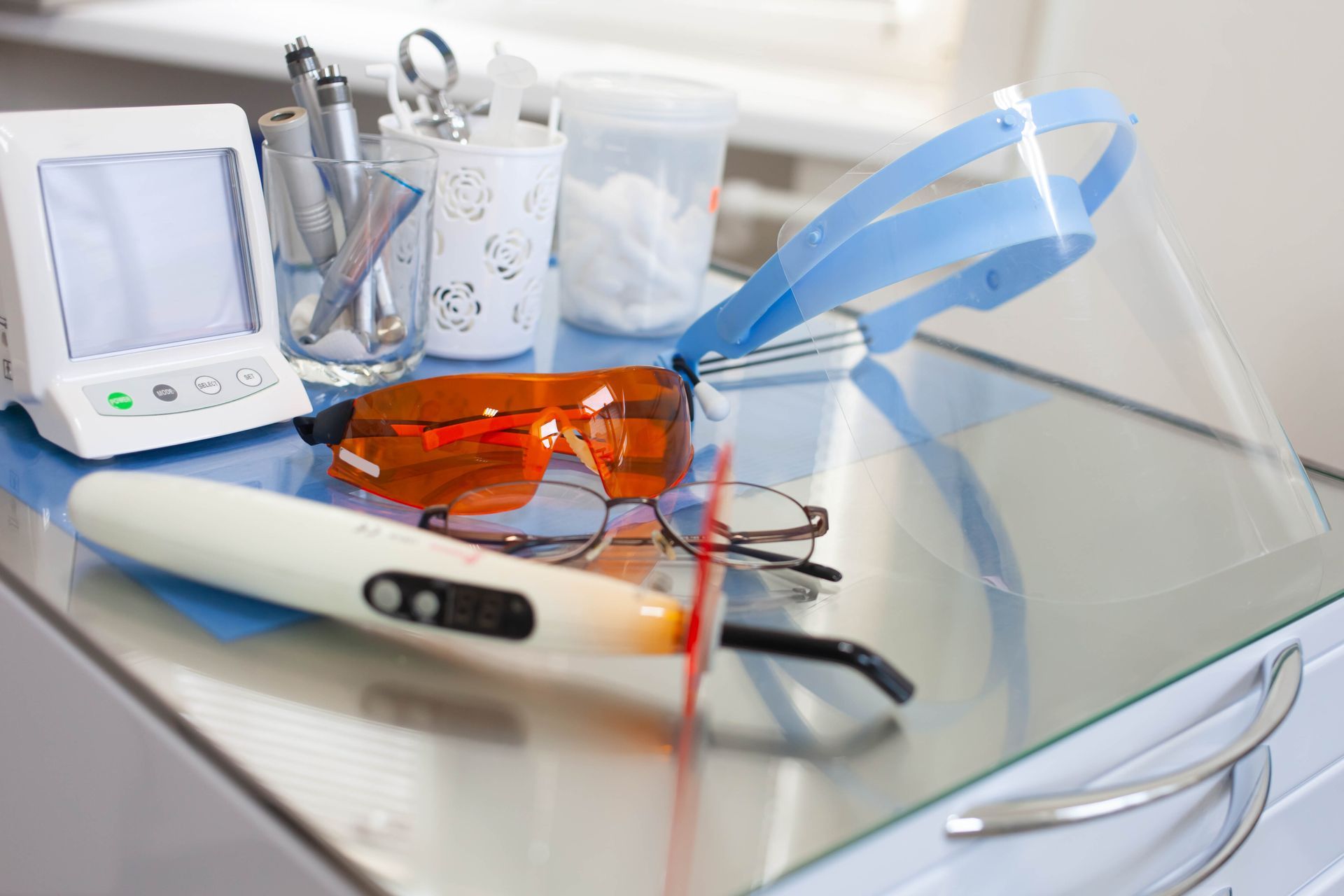
Laser dentistry is considered safe when performed by a trained dental professional. As with any dental treatment, the dentist follows specific safety protocols, and both you and the dental team wear protective eyewear during the procedure to shield your eyes from the light.
The experience itself is usually more comfortable than patients expect. Many describe soft-tissue laser work as involving little to no pain, and because there is no drill vibration or noise with soft-tissue lasers, the procedure can feel less stressful. Your dentist will explain what a given laser procedure involves, whether any anesthesia is needed, and what recovery to expect, which varies by treatment. If laser dentistry sounds like it might suit you, the best step is to ask your dentist whether it is an option for your specific needs. For patients who have avoided dental care because of anxiety, the gentler, quieter nature of many laser procedures can make treatment feel much more approachable, which is a meaningful benefit in its own right.
Experience Comfortable Care at Casas Adobes Dentistry
Laser dentistry lets us treat many conditions with precision and comfort, often with less discomfort and faster healing than traditional methods. If you would like to know whether a laser procedure is right for your care, our Tucson team is happy to talk it through.
Call Casas Adobes Dentistry at (520) 365-0559 or learn more about our
laser dentistry services in Tucson.

Frequently Asked Questions
Is laser dentistry painful?
Laser dentistry is generally less painful than traditional methods, and many soft-tissue procedures involve little to no discomfort. Because lasers can be so gentle, they sometimes reduce or eliminate the need for anesthesia. Your experience depends on the specific procedure, and your dentist will tell you what to expect and whether any numbing is needed beforehand.
Is laser dentistry safe?
Yes, laser dentistry is safe when performed by a trained dental professional following proper protocols. Dental lasers have been used for decades, and standard safety measures, including protective eyewear for you and the dental team, are part of every procedure. Your dentist will confirm that a laser is appropriate for your particular treatment.
What can laser dentistry be used for?
Dental lasers are used for a wide range of procedures, including treating gum disease, reshaping gums, removing tooth decay, treating canker and cold sores, and removing or biopsying soft-tissue lesions. Some lasers work on soft tissue like gums, others on hard tissue like teeth and bone, and some handle both. Your dentist chooses a laser when it offers a gentler or more precise approach.
Does laser dentistry require anesthesia?
Often less than traditional treatment, and sometimes none at all. Because laser procedures can be gentler, especially on soft tissue, they may reduce the need for numbing. Whether you need anesthesia depends on the specific procedure and your comfort, and your dentist will discuss it with you before beginning.
Is laser dentistry more expensive?
Costs vary by procedure and practice, so laser treatment is not always more expensive than the traditional alternative. Any difference is often offset by benefits like less need for anesthesia, faster healing, and greater precision. The best way to understand the cost for your specific treatment is to ask your dentist for details during your visit.
Share this Post
Casas Adobes Dentistry Blog