What Are the Benefits of Regular Dental Checkups?

Regular dental checkups catch problems like cavities, gum disease, and oral cancer early, when they are easier, cheaper, and less invasive to treat. They also include a professional cleaning that removes the plaque and tartar a toothbrush cannot, help prevent future problems, and protect not just your smile but your overall health. For most people, a checkup every six months is the recommended routine.
At Casas Adobes Dentistry in Tucson, preventive care is the foundation of a healthy smile, and routine checkups are where it starts. This guide explains exactly what regular checkups do for you, what happens during a visit, and how often you should go.
In This Guide
- Why Regular Checkups Matter: The core idea.
- The Key Benefits of Regular Checkups: What you gain.
- What Happens During a Checkup: The visit itself.
- The Real Cost of Skipping Checkups: Why prevention is cheaper.
- Checkups Through the Stages of Life: From kids to seniors.
- How Often Should You Go?: Finding your schedule.
- How to Get the Most From Your Checkup: Making the visit count.
- Checkups and Your Overall Health: The bigger picture.
- Frequently Asked Questions: Quick answers for patients.

Why Regular Checkups Matter
The core value of a regular dental checkup is simple: it lets your dentist find and address problems before they become painful, complicated, and expensive. Many dental issues, from early cavities to gum disease, develop quietly and cause no symptoms until they are advanced.
By the time a dental problem hurts, it often requires more involved treatment than it would have if caught early. A routine checkup is essentially a chance to catch those problems at their smallest and most treatable stage, which is why prevention is so much easier and less costly than repair. Regular visits also keep your teeth cleaner and your mouth healthier day to day, not just at the appointment. Think of a checkup as maintenance rather than repair: just as it is easier to keep a car running well with regular service than to fix a breakdown, it is easier to keep your mouth healthy with routine visits than to treat a problem that has been allowed to grow.
The Key Benefits of Regular Checkups
A checkup delivers several distinct benefits in a single visit. Together, they protect your teeth, your gums, and your wallet.
Early Detection of Problems
The biggest benefit is catching issues early. Your dentist can spot small cavities, early gum disease, worn fillings, and other problems while they are still minor and simple to treat, sparing you pain and larger procedures down the road.
Professional Cleaning
Even excellent brushing and flossing cannot remove hardened tartar, which only a professional cleaning can address. Removing that plaque and tartar buildup prevents cavities and gum disease and leaves your teeth cleaner than home care alone can achieve. Our overview of the benefits of a teeth cleaning explains what a cleaning does for you.
Gum Disease Prevention
Checkups are your main defense against gum disease, which is common and often silent in its early stages. Your dentist checks the health of your gums and can treat early gum inflammation before it progresses to the more serious, harder-to-treat stages that threaten your teeth. Because the earliest stage of gum disease can often be reversed entirely with professional cleaning and improved home care, catching it at a checkup is one of the clearest examples of how a routine visit saves you from a much bigger problem later.
Oral Cancer Screening
A routine checkup typically includes an oral cancer screening, where your dentist examines your mouth for early signs of oral cancer. Because early detection dramatically improves outcomes, this quick, painless check is one of the most valuable parts of a regular visit.
| Benefit | What It Does | Why It Matters |
|---|---|---|
| Early detection | Finds cavities and problems while small | Avoids pain and larger, costlier treatment |
| Professional cleaning | Removes plaque and tartar buildup | Prevents cavities and gum disease |
| Oral cancer screening | Checks for early warning signs | Early detection improves outcomes |
What Happens During a Checkup
Knowing what to expect makes a checkup feel routine rather than intimidating. A typical visit has two main parts: an examination and a cleaning.
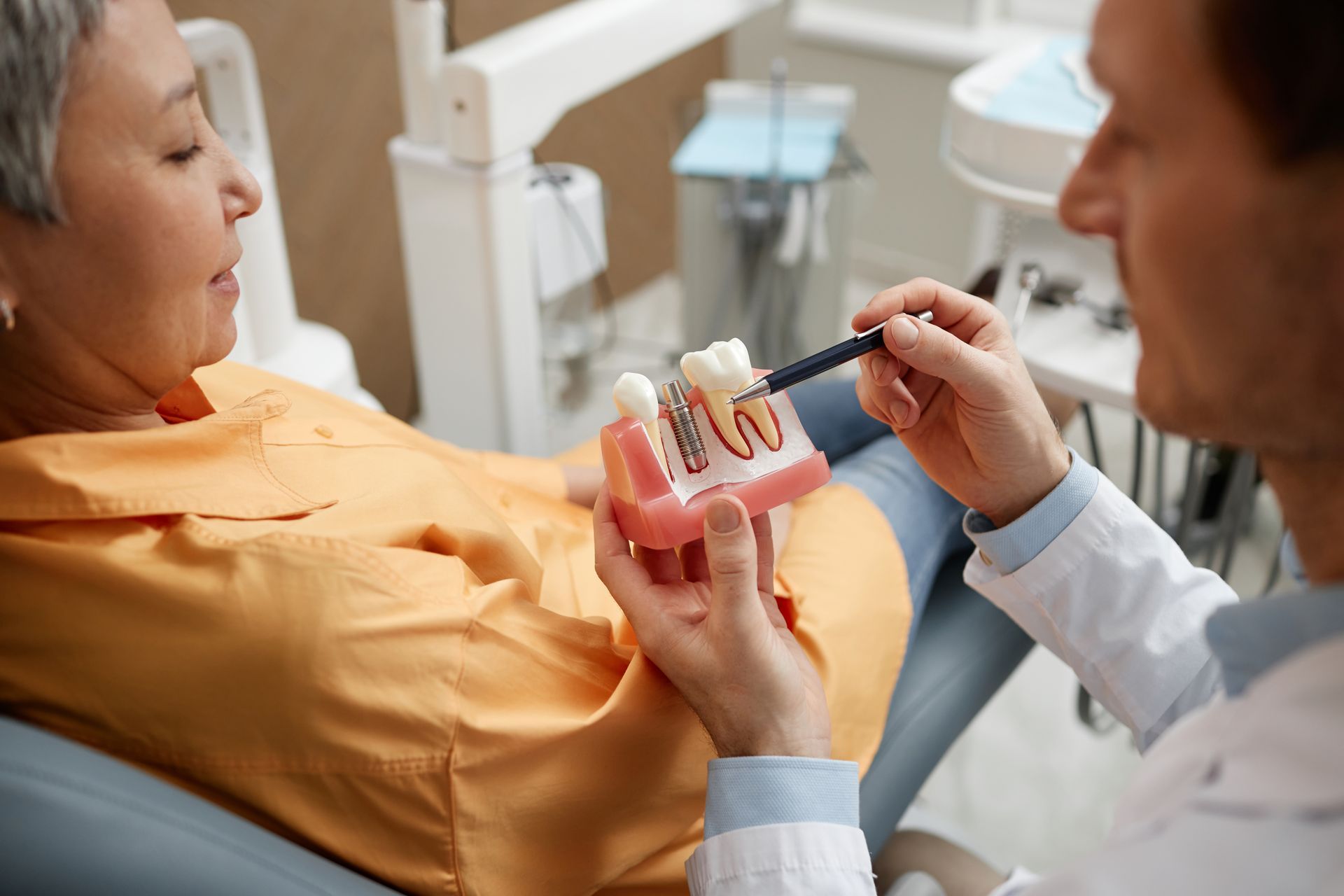
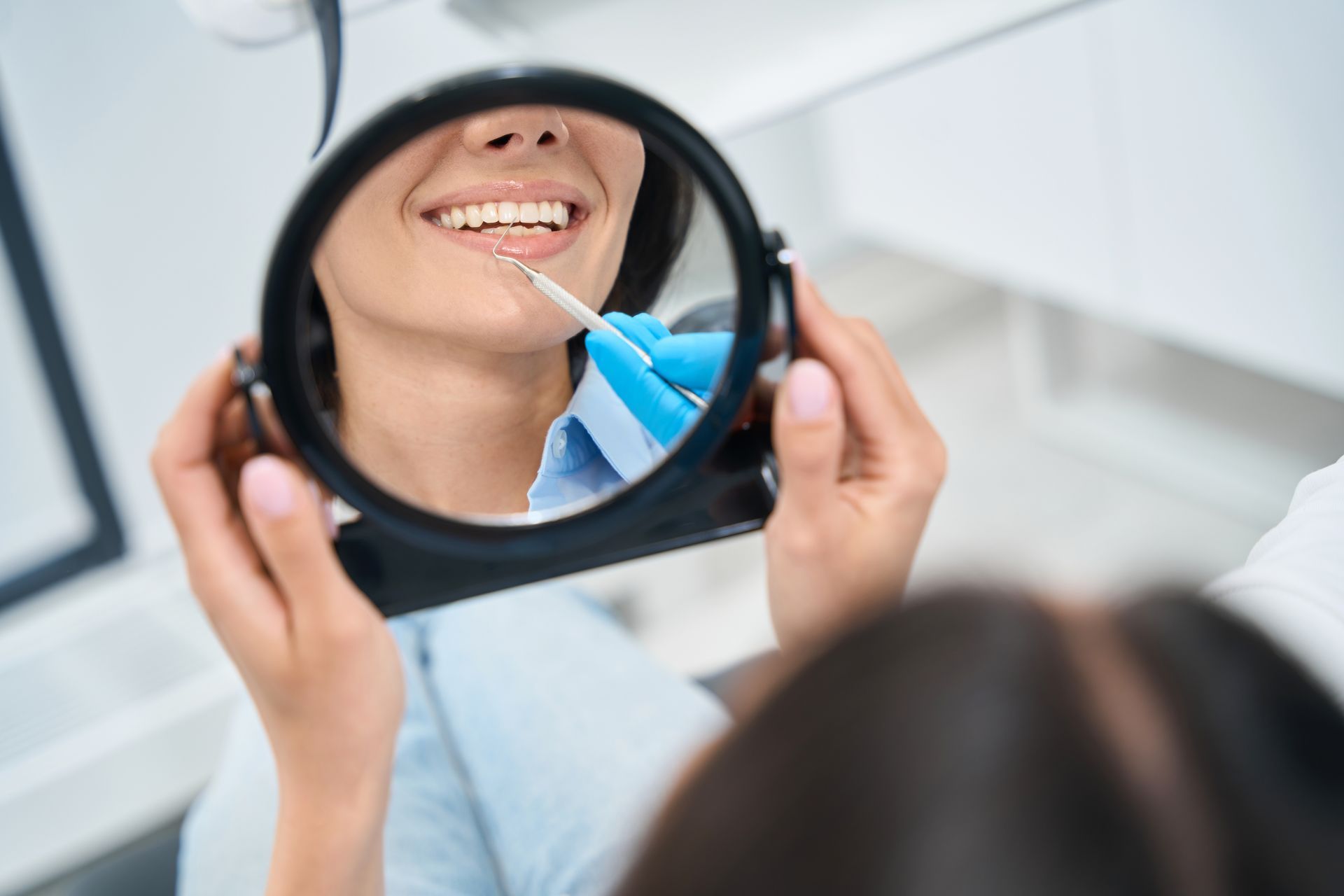
During the exam, your dentist checks your teeth for decay and damage, evaluates your gums, reviews any dental work, and screens for oral cancer, sometimes using digital X-rays to see between and inside the teeth. The cleaning, usually performed by a dental hygienist, removes plaque and tartar, polishes your teeth, and finishes with guidance on your home care. Your dentist will also discuss anything they found and recommend next steps if needed. Our guide on the
important parts of a routine dental checkup walks through each step in detail.
The Real Cost of Skipping Checkups
One of the most practical benefits of regular checkups is financial, even though it is easy to overlook. Prevention is almost always cheaper than repair, and skipping routine visits to save money often ends up costing far more.
The reason is that dental problems rarely stay small on their own. A tiny cavity caught at a checkup may need a simple filling, but the same cavity left to grow can eventually require a crown or a root canal, which are far more involved and expensive. Early gum disease can often be reversed with a cleaning and better home care, while advanced gum disease can lead to tooth loss and costly treatment. By catching issues at their smallest stage, routine checkups keep you in the range of minor, affordable care and out of the range of major procedures, which is why they are one of the best values in health care.
Dental Checkups Through the Stages of Life
The value of regular checkups holds at every age, though what the dentist focuses on shifts over time. Building the habit early and keeping it up pays off for a lifetime.
For children, regular visits establish good habits, monitor developing teeth, and catch cavities early in a way that shapes lifelong oral health. For adults, checkups focus on preventing and catching cavities and gum disease, maintaining existing dental work, and screening for oral cancer. For older adults, visits become especially important for monitoring gum health, checking any dentures or restorations, and watching for the dry mouth and other issues that can come with age or medications. No matter your age, the underlying benefit is the same: catching problems early and keeping your mouth healthy, which is why the habit is worth maintaining for life.
How Often Should You Go?
For most people, a checkup and cleaning every six months is the standard recommendation, and it works well for maintaining a healthy mouth. This twice-a-year rhythm keeps problems from developing unnoticed between visits, and it spaces your professional cleanings closely enough to stay ahead of the tartar buildup that leads to cavities and gum disease.
Some people benefit from more frequent visits, however, depending on their individual risk. Those with gum disease, a history of frequent cavities, diabetes, or other risk factors may be advised to come in more often, while others with excellent oral health may follow a different schedule set by their dentist. The right frequency is personal, and your dentist will recommend a schedule based on your needs, as our guide on
how often dental checkups are needed explains.
How to Get the Most From Your Checkup
A checkup is not just something that happens to you; you can make it more useful with a little participation. A few simple habits turn a routine visit into a genuinely productive one.
Come prepared to mention anything you have noticed since your last visit, such as sensitivity, bleeding gums, jaw pain, or a spot that does not feel right, since these details help your dentist focus the exam. Bring an up-to-date list of your medications and any health changes, because they can affect your oral health and care. It is also a good time to ask questions about your home routine, whether you are brushing and flossing effectively, and what you can improve. Our guide on
questions to ask your hygienist during a cleaning offers a helpful starting point. The more openly you communicate, the more your dentist can tailor advice and catch anything that needs attention, which turns a routine visit into real, personalized care for your mouth.
Checkups and Your Overall Health
The benefits of regular checkups reach beyond your mouth. Research has connected oral health to overall health, with gum disease in particular linked to conditions such as heart disease and complications in managing diabetes.
Because of these connections, keeping your mouth healthy is part of taking care of your whole body. A dentist may also notice signs during a routine exam that point to broader health issues, since the mouth can reflect what is happening elsewhere. Maintaining regular checkups is therefore not only about protecting your teeth and gums but about supporting your general well-being, which makes that twice-yearly visit a small investment with a large return.
Protect Your Smile With Casas Adobes Dentistry
Regular checkups are the simplest, most effective way to keep your smile healthy and catch small problems before they grow. Our Tucson team makes preventive visits comfortable and thorough, so you leave with a cleaner, healthier mouth and peace of mind.
Call Casas Adobes Dentistry at (520) 365-0559 to schedule your next checkup and cleaning. You can also learn more about keeping your mouth healthy between visits in our guide on
oral hygiene basics.

Frequently Asked Questions
How often should I get a dental checkup?
For most people, a dental checkup and cleaning every six months is recommended and keeps the mouth healthy. Some people need to come in more often, such as those with gum disease, frequent cavities, diabetes, or other risk factors. Your dentist will recommend the right schedule for you based on your individual oral health and risk.
What are the benefits of regular dental checkups?
Regular checkups catch problems like cavities, gum disease, and oral cancer early, when they are easiest to treat, and include a professional cleaning that removes plaque and tartar your toothbrush cannot. They help prevent future problems, save money by avoiding larger treatments, and support your overall health, since oral health is linked to conditions like heart disease and diabetes.
What happens if I skip regular dental checkups?
Skipping checkups lets small problems grow undetected. A minor cavity can progress to one needing a root canal, early gum disease can advance to a serious stage that threatens your teeth, and warning signs of oral cancer can go unnoticed. Because these issues are often painless at first, waiting until something hurts usually means more involved and expensive treatment.
Are dental checkups worth it if my teeth feel fine?
Yes. Many dental problems, including early cavities, gum disease, and oral cancer, cause no symptoms in their early stages, so teeth that feel fine can still have developing issues. A checkup catches these before they become painful, and the professional cleaning prevents new problems. Feeling fine is exactly when prevention is most effective, because you are catching issues before they ever have a chance to cause you pain or require major treatment.
Do dental checkups include a cleaning?
A routine dental visit typically includes both an examination and a professional cleaning. The exam checks your teeth, gums, and mouth and screens for oral cancer, while the cleaning removes plaque and tartar and polishes your teeth. Together they both catch problems and prevent new ones, which is why the combined visit is the foundation of preventive care.
Share this Post
Casas Adobes Dentistry Blog