What Are Dentures Made Of? Materials Used in Modern Full and Partial Dentures

Modern dentures are made from a combination of materials. The pink gum-colored base is usually a durable acrylic resin, the artificial teeth are made from acrylic resin or porcelain, and partial dentures often add a metal framework or a flexible nylon-based material for support. The exact mix depends on whether you have a full or partial denture and what your dentist recommends for your comfort, appearance, and budget.
At Casas Adobes Dentistry in Tucson, we design and fit full, partial, and implant-supported dentures, so we work with these materials every day. This guide explains what goes into a modern denture, how the materials differ, and what that means for how your dentures look, feel, and hold up over time.
In This Guide
- What Dentures Are Made Of: The main components.
- Denture Base Materials: What the pink part is made from.
- Denture Teeth Materials: Acrylic versus porcelain.
- Full vs. Partial Denture Materials: How they differ.
- Implant-Supported Denture Materials: Adding titanium.
- How Materials Affect Comfort and Cost: What the choice means for you.
- How Denture Materials Have Improved: Then versus now.
- Are Denture Materials Ever a Problem?: Quirks to know.
- Frequently Asked Questions: Quick answers for patients.
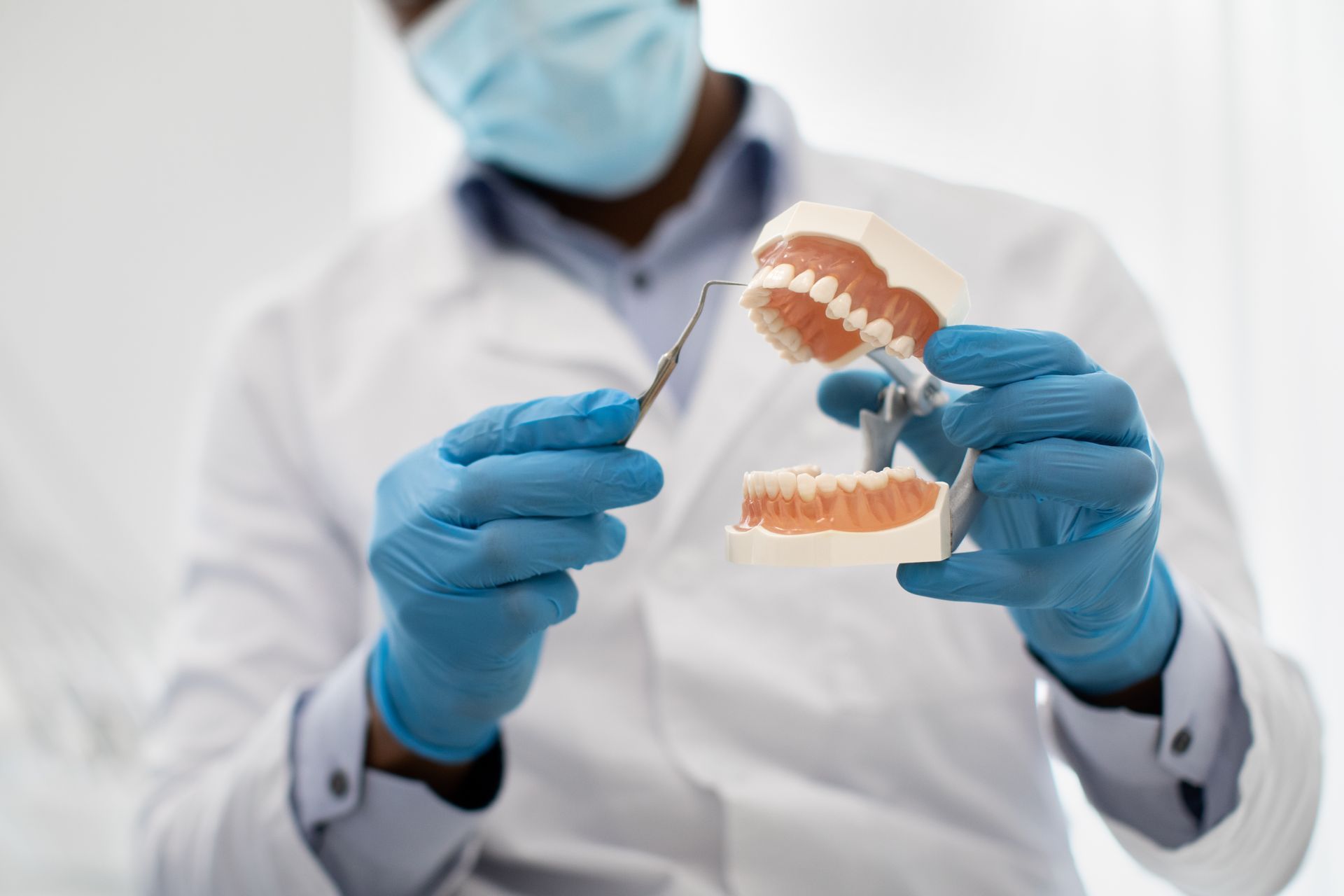
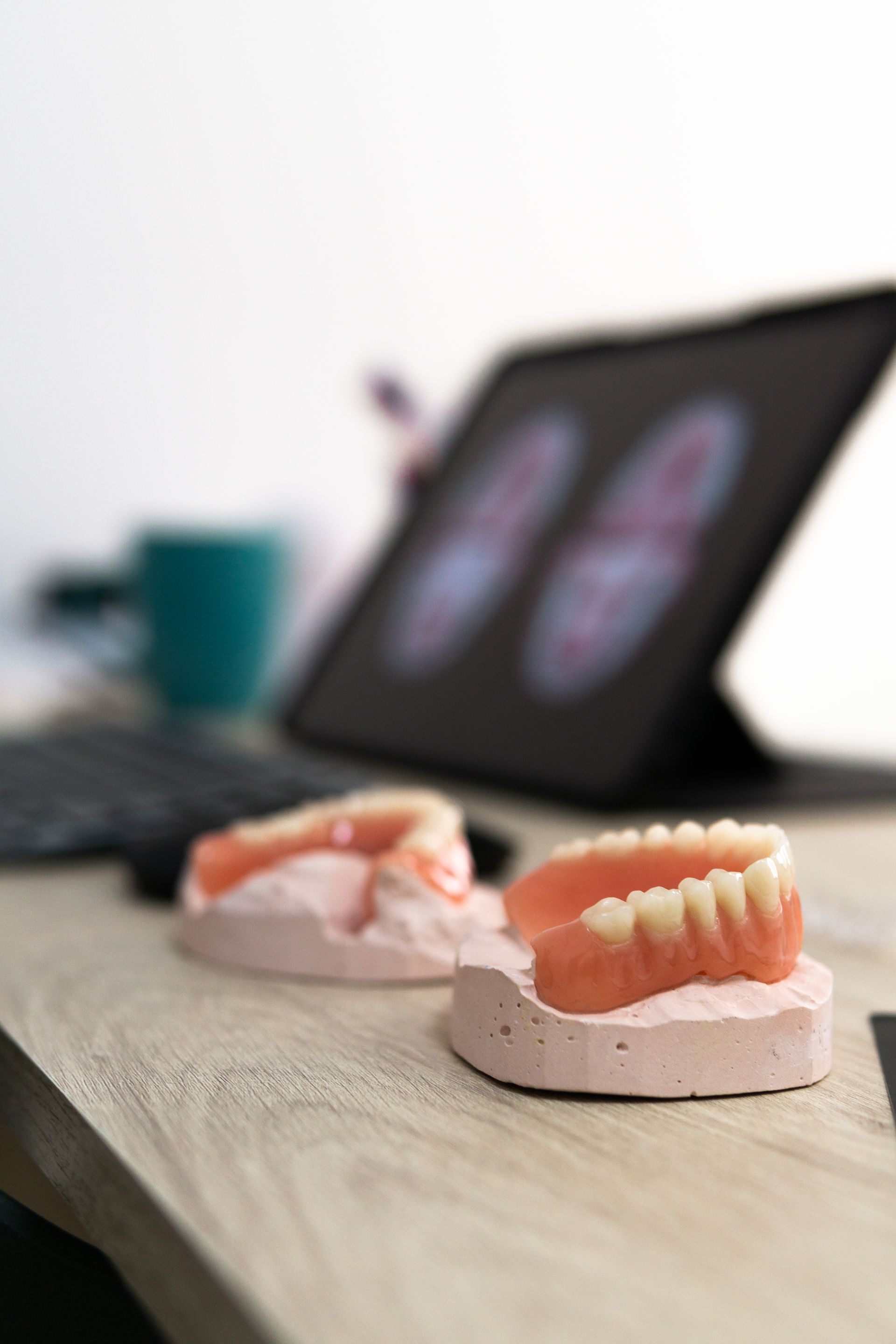
What Dentures Are Made Of
A denture is really an assembly of a few parts, each with its own job and material. Understanding the pieces makes the material choices much easier to follow.
Every denture has two core components: the base, which is the gum-colored part that rests on your gums, and the teeth, which are the visible artificial teeth set into that base. Partial dentures, which replace some but not all of your teeth, usually add a third component, a framework or clasps that anchor the denture to your remaining natural teeth. The materials used for each of these parts have improved a great deal over the years, which is why modern dentures look and feel far more natural than older ones. Knowing which material is used where also makes it much easier to understand your dentist's recommendations and to care for your dentures correctly once you have them.
Denture Base Materials
The base is the foundation of the denture, and its material affects both comfort and durability. There are a few common options.
Acrylic Resin
Acrylic resin, a type of medical-grade plastic also called PMMA, is the most common denture base material. It is popular because it can be color-matched to look like natural gum tissue, it is relatively lightweight, and it is easy to adjust and repair. Most full dentures use an acrylic base for these reasons.
Flexible Nylon and Thermoplastics
Flexible partial dentures use a nylon-based or thermoplastic material instead of rigid acrylic or metal. These bases are thin, lightweight, and can flex slightly, which some patients find more comfortable, and because they can be made without visible metal clasps, they can look more natural. They are most often used for partial dentures.
Metal Bases
Some dentures, particularly partials, use a metal base or framework, typically made from a cobalt-chromium alloy. Metal is strong, thin, and long-lasting, and it conducts temperature so food feels more natural. A metal framework is often chosen for partial dentures where strength and a precise fit matter.
Denture Teeth Materials
The artificial teeth set into the base are usually made from one of two materials, and each has clear tradeoffs.
Acrylic resin teeth are the most common choice today. They bond securely to the acrylic base, are lighter and gentler on any remaining natural teeth, and are easier to adjust and less likely to chip. Porcelain teeth, the traditional option, are prized for looking very natural and resisting wear, but they are heavier, can be more brittle, and can wear down opposing natural teeth, so they are used more selectively now.
| Component | Common Materials | Key Characteristics |
|---|---|---|
| Denture base | Acrylic resin, flexible nylon, metal alloy | Gum-colored, supports the teeth, rests on gums |
| Denture teeth | Acrylic resin or porcelain | Acrylic is lighter and gentler; porcelain is hard and natural-looking |
| Partial framework | Cobalt-chromium metal or flexible nylon | Anchors the partial to natural teeth |
Full vs. Partial Denture Materials
The type of denture you need shapes which materials are used. Full dentures, which replace an entire arch of teeth, rest directly on the gums and typically use an acrylic base with acrylic or porcelain teeth. There is no need for a framework because there are no remaining teeth to anchor to.
Partial dentures replace only some missing teeth and must attach to your natural teeth, so they add a framework or clasps. That framework is usually either a cast cobalt-chromium metal, chosen for strength and a slim profile, or a flexible nylon material, chosen for comfort and a metal-free appearance. If you are weighing your options, our guide on
choosing between full dentures and partials walks through the decision, and you can learn more about our
dentures and partial dentures services in Tucson.
Implant-Supported Denture Materials
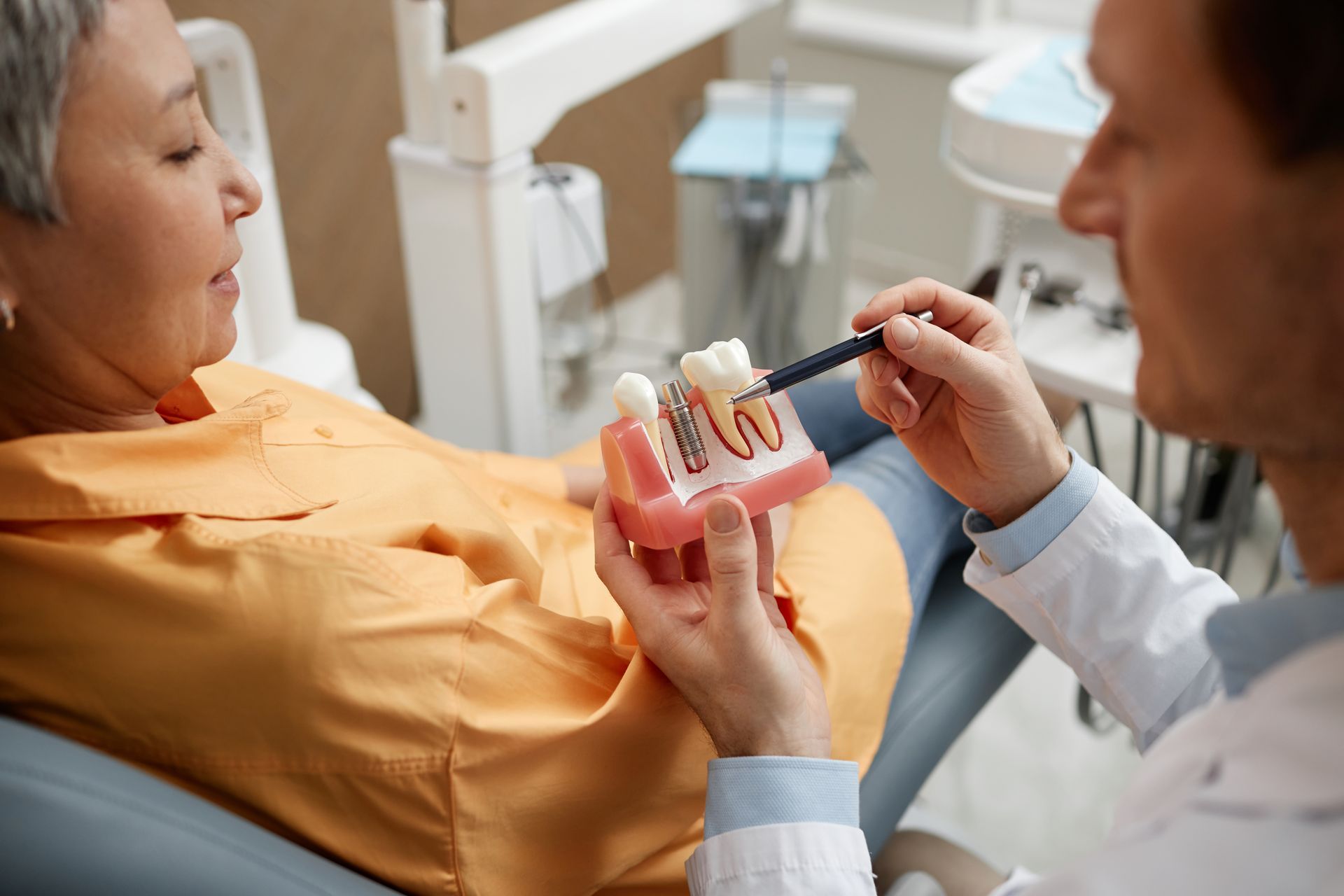
Implant-supported dentures use the same base and teeth materials as conventional dentures, but they add titanium dental implants placed in the jaw to anchor the denture in place. Titanium is used because it is biocompatible and fuses with the bone, creating a stable foundation. The denture itself then attaches to those implants with connectors, often made of metal or durable plastic.
This combination gives you the natural-looking acrylic and porcelain surfaces of a traditional denture with a much more secure hold. Because the denture is anchored rather than resting only on the gums, many patients find it more comfortable and stable for eating and speaking. Our overview of
modern dentures and the latest advances in tooth replacement covers how these options compare.
How Materials Affect Comfort and Cost
The materials in your denture directly influence how it feels, how it looks, how long it lasts, and what it costs. Knowing the tradeoffs helps you have a productive conversation with your dentist.
Acrylic dentures are the most affordable and the easiest to adjust and repair, which makes them a practical, comfortable choice for most people. Porcelain teeth cost more and look extremely natural but are heavier and can be more brittle. Metal frameworks add strength and precision to partials at a higher cost, while flexible nylon partials trade some of that rigidity for comfort and a metal-free look. There is no single best material, only the combination that best fits your mouth, your appearance goals, and your budget, which is exactly what your dentist helps you determine. It is worth having this conversation openly with your dentist, since the right choice balances how the denture will look, how it will feel, how long it should last, and what you want to spend. Good daily care matters too, and the right routine depends partly on your denture's material, as we cover in our guide on
caring for your dentures.
How Denture Materials Have Improved Over Time
If your only picture of dentures comes from an older relative decades ago, it is worth knowing how much the materials have changed. Early dentures were made from materials like vulcanized rubber and, further back, even wood and ivory, which looked artificial and wore poorly.
Today's acrylic resins, porcelains, and flexible thermoplastics are a world apart. Modern gum-colored bases can be shaded and shaped to blend with your natural tissue, and modern teeth are made to mimic the translucency and shape of real teeth rather than looking uniformly white and flat. Manufacturing has improved too, allowing a more precise, comfortable fit. The result is that a well-made modern denture looks and feels far more natural than the dentures many people remember, which is one reason patients are often pleasantly surprised by their options when they see what is available today. Our guide on
modern dentures and the latest advances covers how far the technology has come.
Are Denture Materials Ever a Problem?
The materials in modern dentures are safe and well tolerated, but like anything, they have their quirks, and knowing them helps you care for your dentures well. None of these are reasons for concern, just things to be aware of.
Acrylic resin can stain over time from coffee, tea, and other pigmented foods, so regular cleaning keeps it looking its best, and it can crack if a denture is dropped on a hard surface. Porcelain teeth resist staining and wear but are more brittle and can chip under a sharp impact. Metal frameworks are very durable, though on rare occasions a patient with a known metal sensitivity may need an alternative material, which is worth mentioning to your dentist. Flexible nylon bases are comfortable but can be harder to reline or adjust than acrylic. Because the right care depends partly on your denture's material, following your dentist's cleaning guidance protects both its appearance and its lifespan.
Learn Which Dentures Are Right for You at Casas Adobes Dentistry
The best denture material for you depends on your mouth, your goals, and your lifestyle, and the clearest way to decide is with a dentist who can examine your smile and explain your options. Our Tucson team fits full, partial, and implant-supported dentures made from today's most natural-looking, comfortable materials.
Call Casas Adobes Dentistry at (520) 365-0559 or visit our
dentures and partial dentures page to learn more. If you are new to dentures, our guide on
what you can eat with dentures is a helpful next read.

Frequently Asked Questions
What material are most dentures made of?
Most dentures are made primarily of acrylic resin, a medical-grade plastic used for the gum-colored base and often the teeth as well. Partial dentures frequently add a cobalt-chromium metal framework or a flexible nylon base for support. Porcelain is also used for the teeth in some dentures because it looks very natural and resists wear.
Are acrylic or porcelain denture teeth better?
Neither is universally better; they suit different needs. Acrylic teeth are lighter, bond well to the denture base, are easier to adjust, and are gentler on opposing teeth, which is why they are the most common choice today. Porcelain teeth look very natural and resist wear but are heavier and more brittle and can wear down natural teeth they bite against. Your dentist can recommend the better fit for your situation.
What is a flexible denture made of?
Flexible dentures are made from a thin, lightweight nylon-based thermoplastic rather than rigid acrylic or metal. This material can flex slightly, which many patients find comfortable, and it can be made without visible metal clasps for a more natural appearance. Flexible materials are most often used for partial dentures.
Are denture materials safe?
Yes. The materials used in modern dentures, including acrylic resin, porcelain, cobalt-chromium alloys, and titanium in implant-supported dentures, are biocompatible and widely used in dentistry. They are chosen specifically because they are safe for long-term use in the mouth. If you have a known metal allergy, let your dentist know so they can select an appropriate material.
How long do dentures last?
With proper care, dentures generally last several years, though the exact lifespan depends on the materials, daily wear, and changes in your mouth over time. Even well-made dentures eventually need relining or replacement as your gums and jaw change shape. Regular dental visits let your dentist check the fit and condition and recommend adjustments before problems develop.
Share this Post
Casas Adobes Dentistry Blog