Root Canal Treatment in Tucson, AZ

A root canal treats infection or inflammation inside a tooth so you can keep the natural tooth instead of losing it. The procedure removes the damaged nerve tissue (the pulp), disinfects the inside of the tooth, and seals it to prevent further infection. Done with modern tools and proper anesthesia, a root canal is no more painful than a routine filling and brings real, immediate relief from the pain that led you here.
Casas Adobes Dentistry has provided root canal therapy to patients across Tucson, Oro Valley, Marana, and Catalina Foothills for years. Our team uses digital imaging, precision instruments, and gentle techniques to make the process as comfortable as possible. The pages and resources here walk through exactly what to expect, who needs a root canal, what it costs in Tucson, and how to know if you should be seen this week.
On This Page
- What a Root Canal Treats
- Signs You May Need a Root Canal
- What Causes the Need for Root Canal Therapy
- The Root Canal Procedure at Casas Adobes Dentistry
- Modern Tools That Make It More Comfortable
- Recovery After a Root Canal
- Root Canal Cost in Tucson
- Root Canal vs. Tooth Extraction
- Why Tucson Patients Choose Casas Adobes Dentistry
- Schedule Your Root Canal Consultation
- FAQ

What a Root Canal Treats
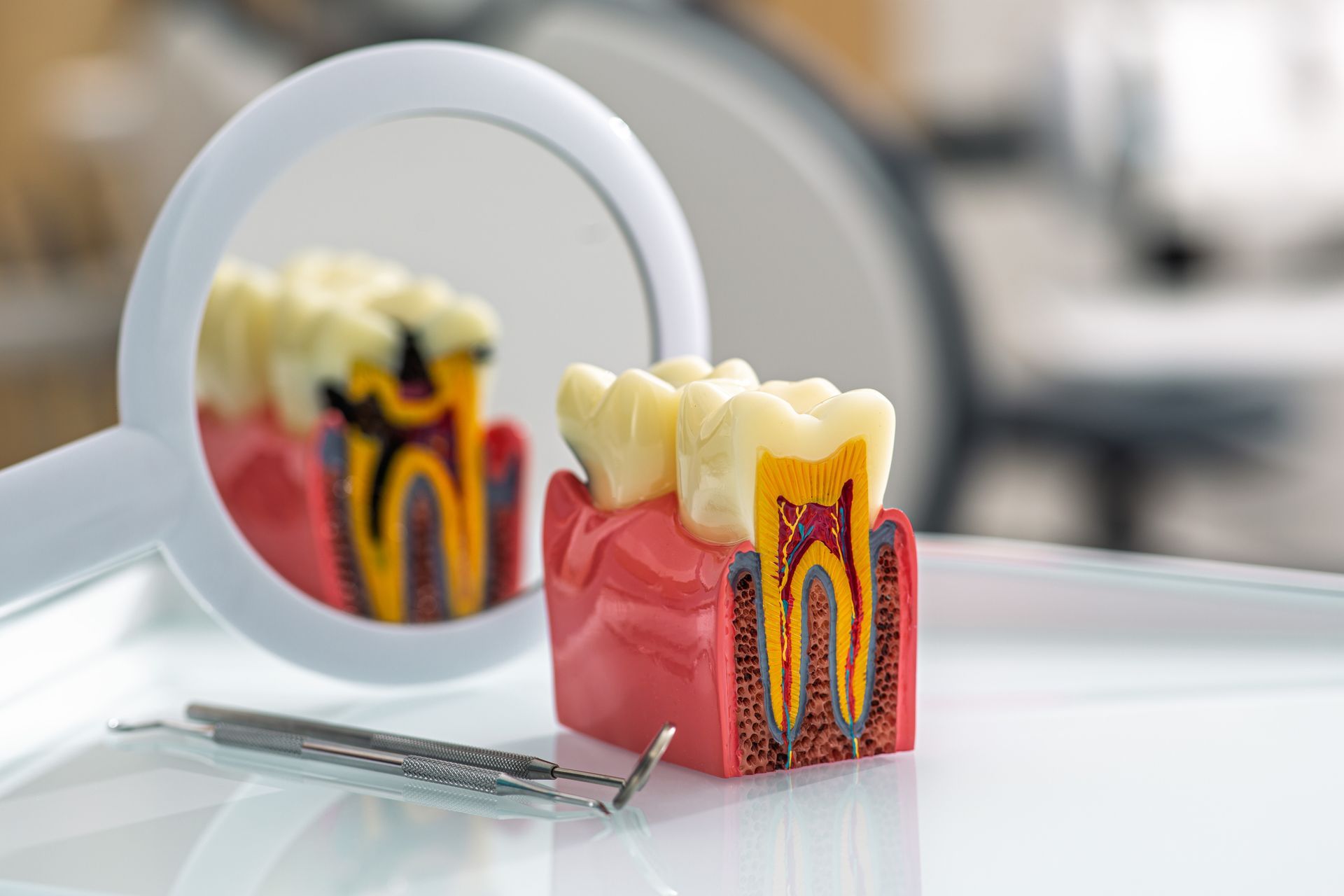
Inside every tooth is a soft inner layer called the pulp, which contains nerves and blood vessels. When decay, a deep crack, or trauma exposes that pulp to bacteria, it becomes infected or inflamed. Without treatment, the infection spreads beyond the tooth, leading to an abscess, jawbone damage, and eventually tooth loss.
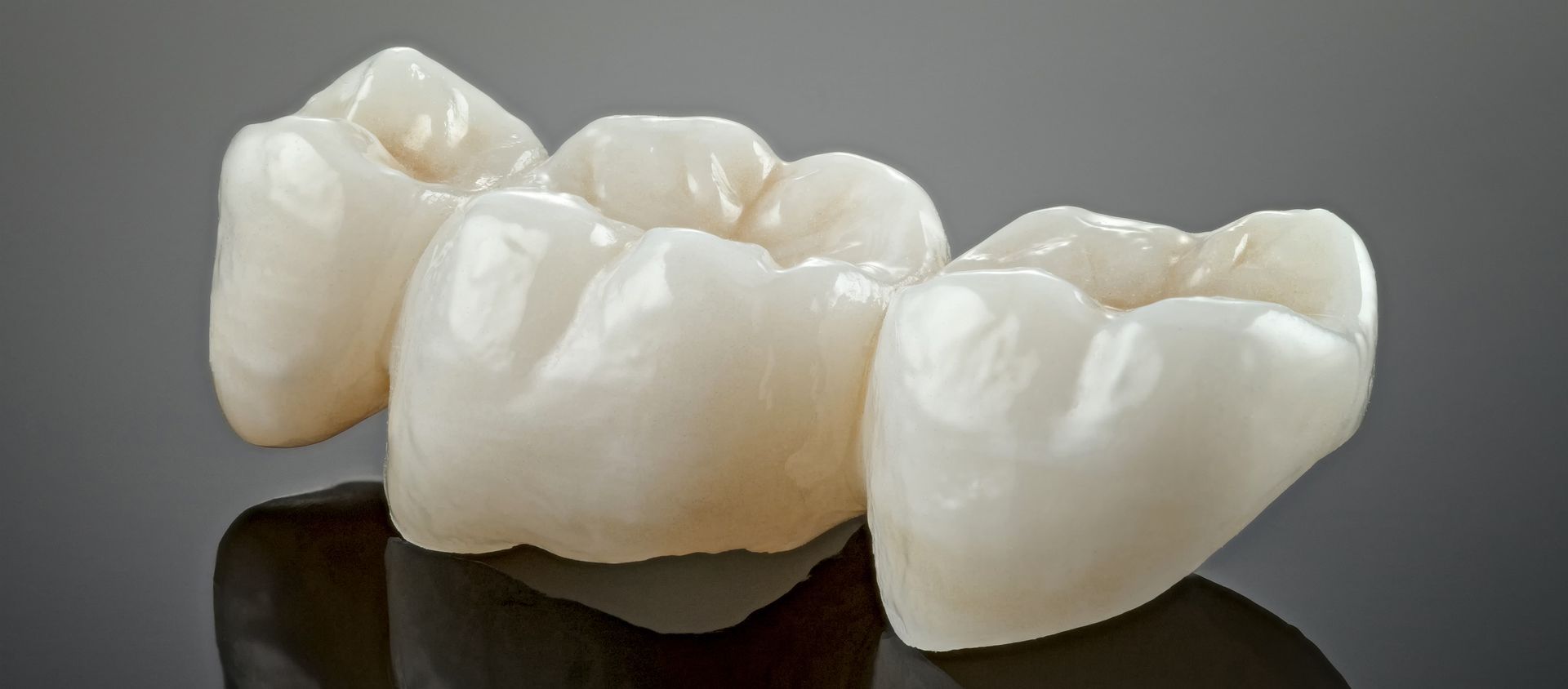
A root canal removes the infected pulp, cleans and disinfects the inner channels of the tooth, and seals them off. The outside of the tooth remains intact, supported by a crown afterward to restore full strength. Patients keep their natural tooth, the pain stops, and the underlying infection clears.
Signs You May Need a Root Canal
Not every toothache means a root canal. But certain symptoms point toward pulp infection or inflammation and should be checked quickly.
Pain Symptoms
- Persistent, throbbing tooth pain that does not go away or that wakes you up at night.
- Sharp pain when biting down or applying pressure to a specific tooth.
- Lingering sensitivity to hot or cold drinks that continues long after the drink is gone.
- Spontaneous pain that appears without an obvious cause.
Visual and Physical Signs
- Swelling in the gums near the painful tooth, sometimes with a small bump that drains.
- Tooth darkening or discoloration, especially compared to neighboring teeth.
- A loose tooth that was previously firm.
- A bad taste or smell coming from one area of the mouth.
If you have any of these symptoms, especially the combination of throbbing pain and gum swelling, get seen quickly. Our
signs you need a root canal guide goes deeper into how to tell the difference between needing a root canal and other dental issues.
What Causes the Need for Root Canal Therapy
Pulp infection has a few common causes. Most patients we see in Tucson fall into one of these categories:
- Deep cavities that have not been treated and have reached the pulp chamber.
- Cracked or fractured teeth that allow bacteria a path to the pulp.
- Repeated dental work on the same tooth (multiple fillings or replacements) that has stressed the pulp.
- Trauma from a fall, sports injury, or accident that damaged the tooth's nerve, even without visible cracking.
- Severe wear from grinding or clenching that has worn through enamel and dentin layers.
Once bacteria reach the pulp, the body cannot fight off the infection because the pulp has limited blood supply. The infection only resolves through removal of the pulp, which is what root canal therapy does.
The Root Canal Procedure at Casas Adobes Dentistry
A root canal is typically completed in one or two visits depending on the tooth and the extent of the infection.
Diagnosis and X-Rays
We start with a focused exam and digital X-rays to confirm the tooth needs a root canal, identify the number of root canals in that tooth, and check for any infection in the surrounding bone. Some teeth have one canal, others have up to four.
Anesthesia and Isolation
Local anesthetic numbs the tooth and the surrounding area completely. A small rubber dam is placed around the tooth to keep it isolated and clean during the procedure. For patients with anxiety, our sedation dentistry options make the experience easier.
Cleaning and Shaping
A small opening is made in the top of the tooth, and the infected pulp is carefully removed. The inside of each root canal is cleaned, shaped with precision instruments, and flushed to remove bacteria.
Filling and Sealing
The cleaned canals are filled with a biocompatible material called gutta-percha and sealed to prevent reinfection. A temporary filling closes the access opening.
Crown Placement
Most teeth that have had a root canal need a
dental crown within a few weeks. The crown restores the tooth's full strength and prevents fracture. We discuss your crown options at the first appointment so you know what comes next.
Modern Tools That Make It More Comfortable
Root canal therapy today is very different from the procedure that built the reputation patients still worry about. The technology has changed the experience meaningfully.
Laser Dentistry
Where appropriate, laser dentistry helps disinfect the canals more thoroughly and reduces post-procedure discomfort. The laser kills bacteria that traditional instruments may not reach.
Digital Imaging
Digital X-rays and 3D imaging let us see the exact shape and number of canals in a tooth before we start. This precision reduces treatment time and improves outcomes.
Sedation Options
For patients with
dental anxiety, nitrous oxide and oral sedation are available. Most patients describe the appointment as far less stressful than they expected.
Recovery After a Root Canal
Most patients return to normal activities the next day. Some sensitivity is normal for a few days as the surrounding tissue heals.
The First 24 to 48 Hours
Expect mild tenderness around the tooth, especially when chewing. Over-the-counter pain medication (ibuprofen or acetaminophen) usually handles any discomfort. Eat on the opposite side of your mouth until the permanent crown is placed.
What to Avoid
Stay away from very hard or sticky foods on the treated tooth until the crown is in place. The temporary filling is not designed for heavy chewing. Continue normal brushing and flossing, but be gentle around the treated tooth.
When to Call Us
Call our office if you experience severe pain that worsens after a few days, swelling that returns, a fever, or the temporary filling falls out. These are uncommon but worth a quick visit to address.
Root Canal Cost in Tucson
Root canal cost in Tucson depends on the tooth, the complexity of the canals, and whether a crown is included. Front teeth (single canal) are less expensive than molars (multiple canals). Most insurance plans cover a significant portion of root canal therapy because it is a medically necessary procedure.
At Casas Adobes Dentistry, we provide a clear written estimate after the diagnostic exam, walk through what insurance is expected to cover, and explain any out-of-pocket cost before you commit to treatment. Financing options are available if needed.
Root Canal vs. Tooth Extraction
When a tooth is severely damaged, you may face a choice between a root canal and an extraction. Each has tradeoffs.
| Factor | Root Canal | Tooth Extraction |
|---|---|---|
| Keeps natural tooth | Yes | No |
| Upfront cost | Higher than extraction alone | Lower upfront |
| Long-term cost | Usually lower (with crown) | Higher if replacing the tooth |
| Recovery time | A few days | Several days, longer if implant follows |
| Future needs | Crown placement | Implant, bridge, or denture to replace |
| Best for | Tooth that can be saved | Tooth that is structurally beyond repair |
For most patients, saving the natural tooth with a root canal is the better choice when the tooth is restorable. Extraction may make more sense when the tooth is split, severely decayed below the gum line, or has failed prior root canal therapy.
Why Tucson Patients Choose Casas Adobes Dentistry
Patients across Tucson, Oro Valley, Marana, and the broader Catalina Foothills area come to us for root canal therapy because the experience is different from what they expected. The team is experienced, the technology is current, and the communication is clear.
Every patient gets a focused exam, a written treatment plan, and a no-pressure explanation of options. For patients dealing with active pain, we work to get them seen quickly. For patients who need a
bone graft for future implants or other follow-up work, we coordinate the full plan from the start.
Schedule Your Root Canal Consultation
If you have a tooth that hurts, a swollen gum line, or sensitivity that will not go away, do not wait. Pulp infections do not resolve on their own and become harder (and more expensive) to treat the longer they continue.
Contact Casas Adobes Dentistry
to schedule a consultation. We will examine the tooth, confirm whether a root canal is the right option, and walk you through every step before any treatment begins. Same-week appointments are available for urgent pain, and we are also a trusted
emergency dentist for after-hours situations.

Frequently Asked Questions
Does a root canal hurt?
No. Local anesthesia numbs the area completely, and most patients say the procedure feels similar to a routine filling. The pain people associate with root canals is usually the pain that led them to need one, not the procedure itself.
How long does a root canal take?
Most root canals are completed in 60 to 90 minutes for front teeth, and 90 to 120 minutes for molars. Some complex cases are split across two visits.
Will I need a crown after a root canal?
Almost always, yes. The tooth becomes more brittle after the pulp is removed, and a crown restores full strength and protects against fracture. Front teeth occasionally do not need a crown, but molars almost always do.
How long does a root-canaled tooth last?
With a proper crown and good oral hygiene, a tooth that has had a root canal can last a lifetime. Studies show success rates of 85 to 95 percent over 10 years.
Can I drive home after a root canal?
Yes, if you only had local anesthesia. If you chose sedation, you will need a ride home and should plan to rest the remainder of the day.
Share this Post
Casas Adobes Dentistry Blog