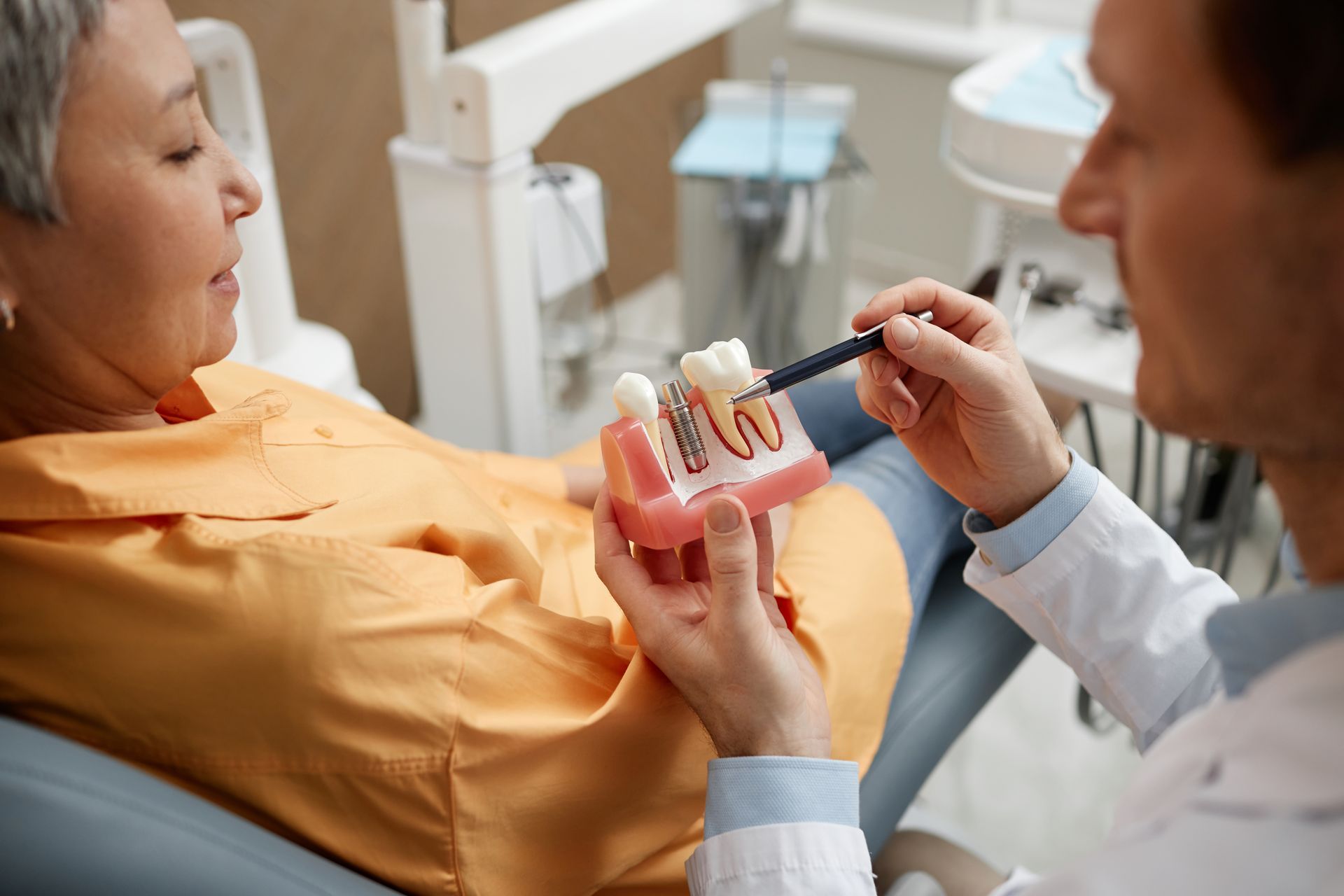
Implant-Supported Bridges in Tucson: When a Bridge Is Better Than Individual Implants

If you're missing more than one tooth in a row, you may not need an implant for every missing tooth. In many cases, an implant supported bridge in Tucson can replace multiple teeth using fewer implants, while still giving you a fixed, natural-looking result. This guide is written from the perspective of a dental team that routinely plans implant cases, reviews imaging, and restores implants with bridges and crowns. We'll keep it simple upfront, then explain the details so you can understand what option fits best.
What Is an Implant-Supported Bridge?
An implant-supported bridge is a fixed dental bridge that's held in place by dental implants instead of being supported by natural teeth. It's often used for multiple missing teeth replacement when the missing teeth are next to each other.
How It Differs From Traditional Bridges
A traditional bridge usually relies on the teeth next to the gap. Those teeth are shaped down to fit crowns that hold the bridge in place.
An implant-supported bridge is different because:
- It uses implants as the anchors, not your natural teeth
- It may help protect the jawbone in the missing-tooth area
- It avoids cutting down healthy teeth (in many cases)
How It Differs From Individual Implants
With individual implants, each missing tooth typically gets its own implant and crown.
With an implant-supported bridge, fewer implants can support more than one tooth.
For example, instead of placing three implants to replace three missing teeth, the dentist may be able to place two implants and attach a bridge that replaces all three teeth, depending on your bite, bone, and spacing.
Who Typically Needs One?
An implant supported dental bridge is commonly considered when:
- You're missing two or more adjacent teeth
- You want a fixed (non-removable) solution
- You want to avoid a removable
partial denture
- Your bone and bite can support implants safely
Understanding all your
options for replacing missing teeth can help you make the best decision for your situation.
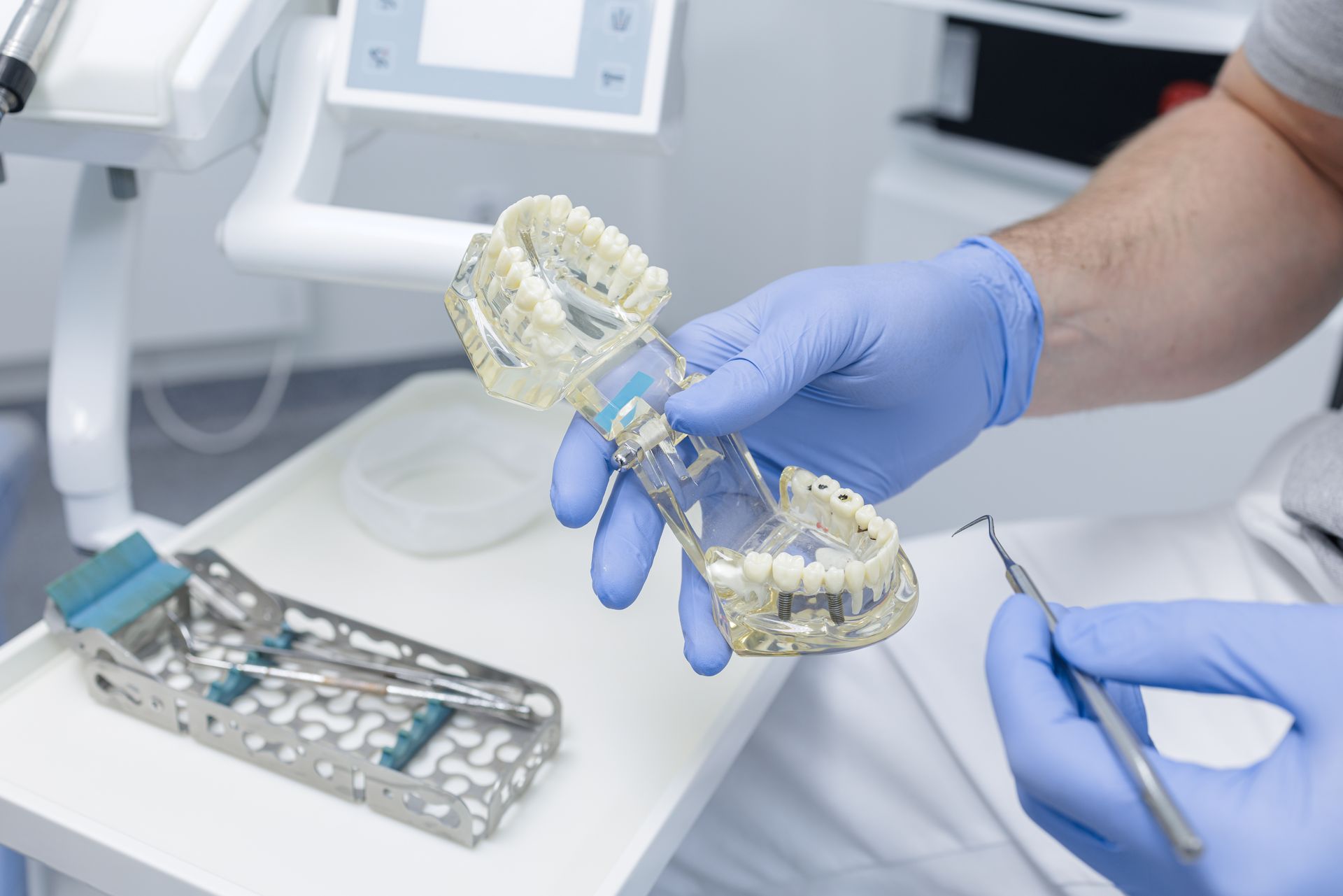

When Is an Implant-Supported Bridge the Right Choice?
Not everyone needs one, but it can be a great option in the right situation.
Replacing Multiple Adjacent Missing Teeth
This is the most common reason. If you have a row of missing teeth, a bridge supported by implants can restore your smile and chewing strength without needing an implant for every space.
This can be especially helpful for:
- Back teeth where chewing forces are strong
- Areas where the missing teeth are side-by-side
- Patients who want a stable option that feels more "normal"
Preserving Jawbone and Facial Structure
When teeth are missing, the jawbone in that area can shrink over time. Dental implants place functional pressure into the bone when you chew, which may help reduce bone loss compared to options that don't anchor into the bone.
That's one reason implant bridges are often seen as an "advanced tooth replacement option" for long-term support.
When Individual Implants Aren't Ideal
Individual implants can be great, but sometimes they aren't the best match due to:
- Limited bone in certain spots
- Tight spacing between missing teeth
- Higher cost of placing one implant per tooth
- A plan that can be simplified with fewer implants
In these cases, an implant supported prosthesis like a bridge may be a more efficient and practical solution. If bone is insufficient, bone grafting may be recommended before implant placement.
Benefits of Implant-Supported Bridges
Stability and Chewing Function
Implant bridges are fixed in place, so they don't move like removable options can. Many patients choose them to restore strong chewing function and feel more confident eating.
Benefits often include:
- Better bite stability
- Stronger chewing on the affected side
- Less shifting compared to leaving spaces open
Aesthetic and Natural Appearance
A well-made implant bridge is designed to look like natural teeth. The dentist and lab will match:
- Tooth shape and size
- Color and brightness
- Smile symmetry
- Gumline contours as much as possible
If you're looking for comprehensive aesthetic improvements, a smile makeover might include implant bridges as part of the treatment plan.
Fewer Implants Required = Less Surgery
Because a bridge can replace multiple teeth, it may require fewer implant placements. For some patients, that can mean:
- Shorter surgery time
- Fewer implant sites to heal
- Less overall treatment complexity
This doesn't mean the case is "simple," but it can reduce the number of surgical steps compared to placing an implant for every tooth. If you experience dental anxiety, fewer surgical procedures may be more comfortable.
Key Differences: Implant-Supported Bridges vs. Individual Implants
If you're searching dental bridge vs implant tucson, it helps to compare the two fixed implant options side by side.
Cost and Treatment Time
- Individual implants may cost more upfront because you're paying for more implants and often more individual crowns.
- Implant-supported bridges may reduce cost by using fewer implants, though the bridge itself is larger and more complex.
Treatment time for both can be similar because both require healing after implant placement. Your timeline depends on bone quality, whether grafting is needed, and the area of the mouth.
Surgical Complexity
Individual implants require more implant sites. That can increase surgical time and healing demands in some cases. A bridge plan may reduce the number of implant placements, but it still requires careful planning to handle chewing forces and spacing.
Long-Term Maintenance and Oral Hygiene
Both options need daily cleaning and professional maintenance.
With an implant-supported bridge, cleaning can be different because you're cleaning around a connected unit. Many people use:
- Floss threaders or implant floss
- A water flosser
- Special brushes for under-bridge areas
Good home care matters because gum inflammation around implants can lead to complications over time. Understanding oral hygiene basics is essential for maintaining your implant bridge.
The Procedure for Implant-Supported Bridges
An implant bridge treatment planning process should feel clear and organized. Most cases follow a similar path, with adjustments based on your needs.
Initial Consultation and Planning
This visit usually includes:
- A full exam and health history review
- Imaging (often 3D scans for precise placement)
- Discussion of your tooth replacement goals
- A plan for implant positions and bridge design
This is where your dentist decides how many implants are needed and where they should go for the best support.
Implant Placement and Healing Period
Implants are placed into the jawbone during a minor surgical procedure. Most patients have local anesthesia, and some offices offer sedation options.
After surgery, the implants need time to heal and bond with the bone. Healing time varies, but it's a key part of long-term stability.
Bridge Attachment and Final Fit
Once healing is complete, your bridge is designed to fit your bite and look natural. The dentist checks:
- Bite balance (so no implant takes too much force)
- Comfort and chewing function
- Cleanability around the bridge
- Fit and appearance
This final step is what turns implants into a working smile again.
Cost and Financing Options in Tucson
What Affects the Price
Implant bridge cost Tucson can vary depending on:
- Number of implants needed
- Bone grafting or extractions
- Materials used for the bridge
- Complexity of bite and missing-tooth area
- Whether it's a small bridge or a full arch tooth replacement case
A good treatment plan should show exactly what's included.
Insurance and Payment Plans
Coverage varies widely. Some plans may help with parts of treatment (like extractions, imaging, or the bridge) while offering limited coverage for implants. Many offices also offer financing or payment options to make treatment more manageable.
Long-Term Value Comparison
When comparing options, it helps to consider:
- Expected lifespan and durability
- Maintenance needs
- The value of restoring chewing function and comfort
- Whether the plan helps reduce future shifting and bone changes
For many patients, a fixed implant bridge feels like a strong long-term investment, especially when replacing multiple missing teeth.
Choosing a Tucson Dentist for Implant-Supported Bridges
Experience With Complex Restorations
Implant bridges require careful planning because chewing forces are shared across implants and the bridge. Look for a provider experienced in:
- Implant-supported restoration planning
- Bite design for long-span bridges
- Restoring multiple missing teeth
- Coordinating surgical and restorative steps
Some practices offer comprehensive restorative dentistry services that include implant-supported bridges.
Technology and Materials Used
Modern tools can improve accuracy and outcomes, such as:
- 3D imaging and guided planning
- Digital impressions
- High-quality restorative materials designed for strength and esthetics
Advanced techniques like laser dentistry may be used during certain phases of treatment to enhance precision and comfort.
Personalized Treatment Planning
The "best" option depends on your bone, bite, and goals. A strong plan should explain:
- Why a bridge is recommended (or not)
- How many implants you may need
- Your timeline and healing steps
- How to keep the bridge clean and healthy long-term
If you're considering an implant supported bridge in Tucson, a consultation with imaging is the fastest way to learn what's possible and what approach fits your smile, budget, and long-term health.

Frequently Asked Questions About Implant-Supported Bridges
How many implants do I need to support a bridge?
The number of implants depends on how many teeth you're replacing and where they're located. Typically, a 3-tooth bridge requires 2 implants (one on each end), while a 4-tooth bridge might use 2-3 implants depending on spacing and bite forces. Back teeth that handle heavy chewing may need more support than front teeth. Your dentist uses 3D imaging to evaluate bone quality and determines the minimum number of implants needed for long-term stability without overloading individual implants.
Can an implant-supported bridge replace all my teeth?
Yes. Full-arch implant-supported bridges (like All-on-4 or All-on-6) can replace an entire upper or lower arch using 4-6 strategically placed implants. This is different from replacing individual teeth, the bridge spans the entire arch and is permanently fixed in place. It's a popular option for people who have lost most or all teeth in one arch and want a stable, non-removable solution that looks and functions like natural teeth without needing a denture.
How do I clean under an implant-supported bridge?
Cleaning under the bridge is essential for preventing gum inflammation and infection. Most patients use a combination of tools: water flossers to flush debris from under the bridge, superfloss or floss threaders to clean between implants, and interdental brushes (proxy brushes) to reach tight spaces. Your dentist or hygienist will demonstrate the specific technique for your bridge design. Daily cleaning takes 2-3 minutes longer than brushing natural teeth, but it's critical for implant longevity.
What happens if one implant fails in a bridge?
If one implant in a multi-unit bridge fails, the situation depends on timing and the bridge design. If caught early (before the bridge is permanently attached), that implant can often be replaced. If it fails after the bridge is cemented, the entire bridge typically must be removed, the failed implant replaced or the site allowed to heal, and a new bridge fabricated. This is one reason proper planning, good bone quality, and excellent oral hygiene are so important, prevention is much easier than repair.
Is an implant-supported bridge better than individual implants?
Neither is universally "better", it depends on your specific case. Implant-supported bridges work well when replacing multiple adjacent teeth, when bone is limited in certain spots, or when cost is a concern (fewer implants = lower expense). Individual implants are often preferred when teeth aren't adjacent, when you want independent restorations for easier future repairs, or when bone quality allows. A bridge may also simplify treatment if you're missing 3+ teeth in a row. Your dentist will recommend the option that best balances your anatomy, budget, and long-term goals.
Ready to Restore Multiple Missing Teeth?
If you're considering an implant supported bridge in Tucson, a consultation with imaging is the fastest way to learn what's possible and what approach fits your smile, budget, and long-term health.
Whether you need to replace a few adjacent teeth or are exploring full mouth dental implants, the experienced team at Casas Adobes Dentistry can help you understand all your options. Contact us today to schedule your consultation and take the first step toward a complete, confident smile.
Share this Post
Casas Adobes Dentistry Blog