What Do Dental Implants Cost in Tucson? Key Factors, Insurance & Realistic Expectations

If you're searching for dental implant costs in Tucson, you're probably trying to budget without getting vague answers. This guide is written and clinically reviewed by the team at Casas Adobes Dentistry in Tucson. We discuss implant treatment plans, insurance questions, and full cost breakdowns with patients every week, so we know what usually surprises people - and what shouldn't. Below you'll get clear answers and the details you need to set realistic expectations before you commit.
Why Implant Pricing Can Feel Confusing
"One price" vs. a complete treatment plan
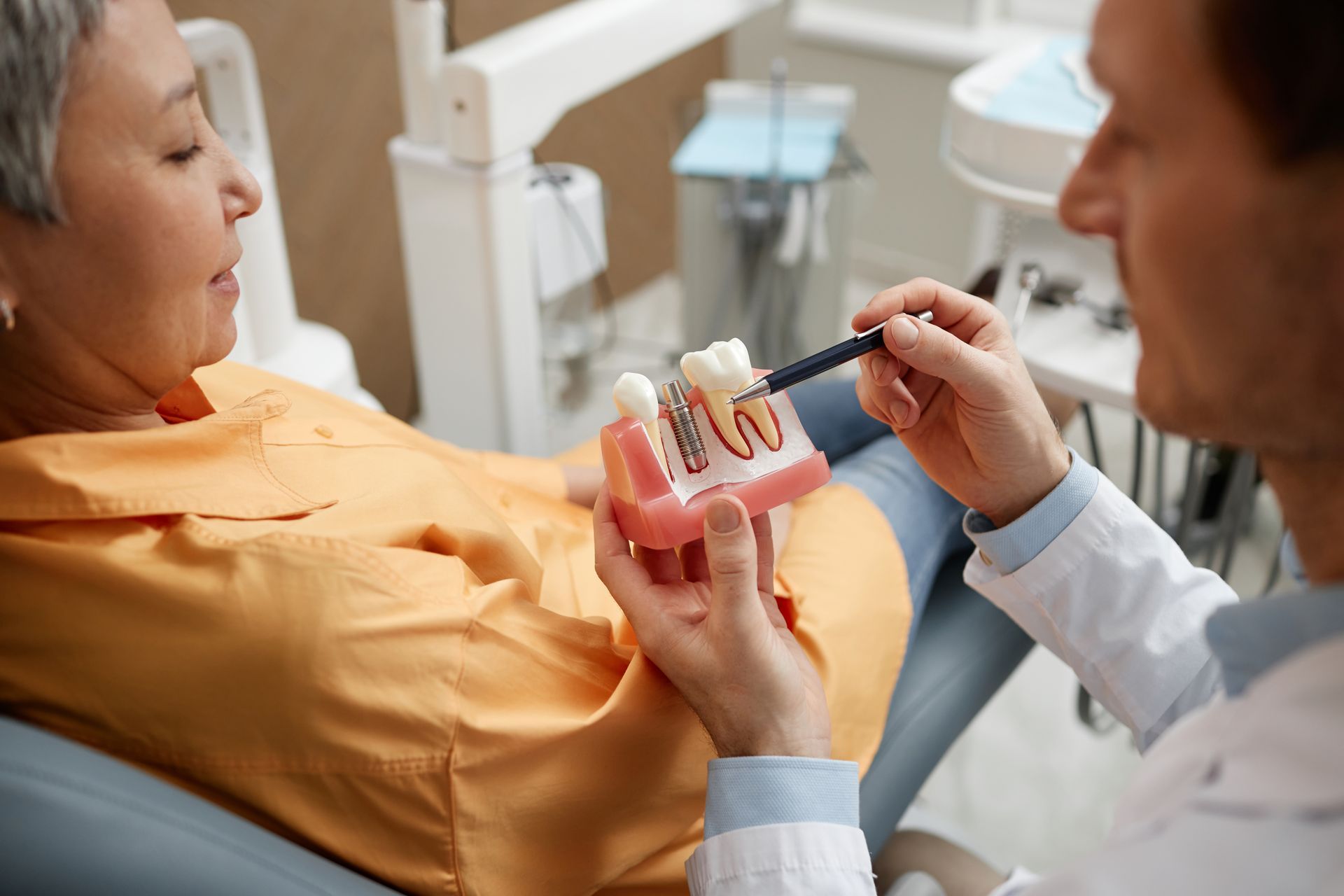
A dental implant isn't one item - it's a treatment plan with multiple parts. When you see a low "implant price," it may only refer to the implant post. A complete implant tooth replacement often includes the implant post (fixture), the connector (abutment), the crown (the visible tooth), imaging, planning, and follow-up care, and possible extra steps like extraction or bone grafting. That's why implant pricing can look different from office to office - it depends on what's included.
Why online averages rarely match your exact case
Online averages don't account for your bone, bite, or goals. Two people can both need "an implant" but have totally different needs based on bone level and density, upper vs. lower jaw anatomy, whether a tooth needs extraction first, gum health and infection risk, the type of restoration needed, and material choices for the crown. So instead of chasing an average, your best next step is getting a plan built around your mouth.

What's Included in the Cost of a Dental Implant
The implant post (fixture)
The implant fixture is usually titanium (sometimes zirconia in select cases) and acts like the "root" of the new tooth. The implant surgery cost often includes the placement procedure and related surgical supplies.
The abutment (connector piece)
The abutment connects the implant to the crown. Some pricing includes it; some lists it separately. The abutment cost can vary depending on the type and the design needed for your bite and gumline.
The crown, bridge, or denture (the visible tooth/teeth)
Your final tooth replacement might be a single implant crown, an implant-supported bridge covering multiple teeth, an implant-supported denture (snap-in or fixed), or a full-arch restoration like All-on-4. Different restorations change the total. For a deeper look at how snap-in and fixed options compare, see our breakdown of implant-supported dentures in Tucson.
Diagnostic imaging and planning (exam, X-rays, 3D scan)
Proper planning is part of safe implant care. Many implant plans include a full exam, X-rays, and often a 3D CT scan for implant planning. This step helps map bone, nerves, and sinus areas, and it supports more predictable placement.
Surgical fees and comfort options (local anesthesia/sedation)
Some patients do fine with local anesthetic. Others prefer sedation. Sedation fees vary depending on the type used and the complexity of the appointment. Learn more about sedation dentistry for dental implant procedures if this is a concern for your case.
The Biggest Factors That Change Your Total Cost in Tucson
How many teeth you're replacing
A single tooth implant will typically differ in cost from replacing several teeth, because treatment can shift from one crown to a bridge or full-arch solution. More teeth usually means more planning and a different type of restoration.
Type of restoration (implant crown vs. bridge vs. implant-supported denture)
The restoration choice is one of the biggest price drivers. An implant crown replaces one tooth. An implant bridge replaces multiple teeth using fewer implants than "one per tooth." An implant-supported denture replaces many teeth, often with removable snap-in or fixed options. Each option changes lab work, materials, and maintenance needs.
Implant location and complexity (upper vs. lower jaw)
Upper implants can involve sinus anatomy; lower implants can involve nerve positioning. Your CT scan helps your dentist plan around these structures. More complexity can mean more planning time and sometimes additional procedures.
Bone health and added procedures (extractions, bone grafting, sinus lift)
If bone support isn't ideal, extra steps may be needed. Possible additions include tooth extraction before implants, bone grafting for dental implants, and sinus lift procedures. Not everyone needs these, but they're a common reason two implant quotes aren't comparable.
Materials and lab choices
Crowns can be made from different materials, and components can vary by brand and design. Higher-strength or more aesthetic options can raise cost, but may also improve durability depending on your bite forces.
Experience, technology, and treatment approach
Some offices invest heavily in imaging, digital planning, and guided implant placement. That can change pricing, but it can also change predictability and patient experience.
Common Treatment Scenarios and How They Affect Budget
Single-tooth implant replacement
A single tooth implant is usually implant + abutment + crown. When comparing estimates, make sure you're looking at the full package - not just the implant post. Always ask if the quote includes the crown and abutment.
Multiple implants for several missing teeth
In many cases, an implant-supported bridge can replace multiple teeth using fewer implants. This can change cost per tooth and may improve overall value compared to placing one implant per missing tooth.
Full-arch solutions (All-on-4 / All-on-X style options)
Full-arch pricing is different because it replaces an entire row of teeth. Full-arch treatment usually includes major planning, surgery, temporary teeth, and a final restoration - so it's not comparable to a single crown quote. Our All-on-4 page for Tucson patients breaks down what's typically involved.
Implant-supported dentures (snap-in vs. fixed)
Snap-in dentures are removable and use attachments that can wear over time. Fixed implant teeth stay in and require special cleaning tools and professional maintenance. Both can be life-changing, but the cost and long-term maintenance look different. See our full comparison of dentures vs. dental implants in Tucson to help decide which direction makes sense for your goals.
Insurance: What to Expect (and What to Ask)
How dental plans typically handle implants
Coverage varies a lot, and implants are not always covered the way patients expect. Some plans cover the crown but not the implant post. Some cover portions under major services. Some have outright exclusions. Always verify benefits for your exact plan before making assumptions.
Parts that may be covered vs. not covered
Depending on the plan, insurance may help with extractions, the crown, imaging, and certain surgical steps. It may not help with the implant fixture itself, bone grafting, upgraded materials, or sedation. Knowing this breakdown in advance helps you plan accurately.
Annual maximums, deductibles, waiting periods, and exclusions
Even "good" coverage can be limited by plan rules. Implant cases often bump into annual maximums (a cap on what insurance pays per year), deductibles, waiting periods for major services, and missing tooth clauses or exclusions.
Pre-treatment estimates and why they matter
A pre-treatment estimate (pre-authorization) is a way to confirm what your plan says it will pay before you start. It's one of the best steps you can take when planning a bigger procedure - and it prevents billing surprises.
When medical insurance might apply
Medical insurance rarely covers routine implants, but there are exceptions. In cases involving trauma, certain medical conditions, or medically necessary procedures, medical coverage may apply. This is very case-specific and depends on your policy.
Out-of-Pocket Costs and Ways Patients Manage Payments
Financing options and monthly payment plans
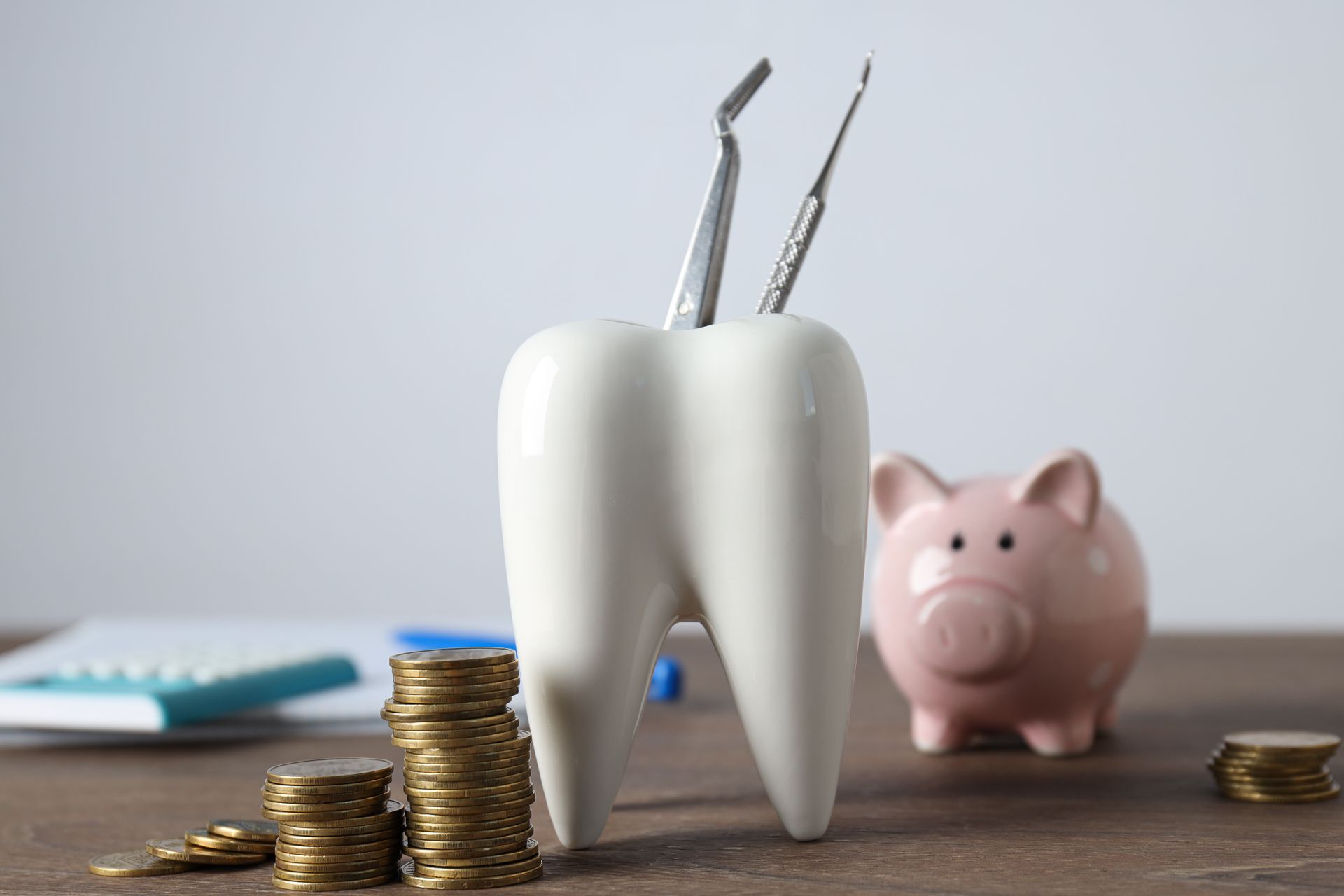
Many patients combine insurance (if any) with financing or payment plans. Options may include monthly payment plans through third-party lenders, office payment options, and splitting treatment into phases when clinically appropriate.
HSA/FSA strategies for implant treatment
If you have an HSA or FSA, you may be able to use those funds for parts of implant treatment. Check your plan rules and keep good records of expenses as you go.
Timing treatment to maximize yearly insurance benefits
If your plan has a yearly maximum, spreading treatment phases across two benefit years may help reduce out-of-pocket costs in certain cases. This depends on clinical timing (healing stages) and your specific insurance details.
"Cheaper" Options vs. Long-Term Value
Implants vs. bridges: replacement cycles and maintenance
A traditional bridge can cost less upfront but may need replacement sooner. Bridges rely on neighboring teeth for support - a solid option in many cases, but they don't stimulate jawbone where the tooth is missing the way an implant does. Our dental bridges page covers what that option looks like in practice.
Implants vs. dentures: stability, comfort, and bone health
Traditional dentures are often cheaper upfront, but implants can meaningfully improve stability and function. Traditional dentures can move - especially on the lower jaw. Implant support can improve retention, chewing confidence, and comfort, and it can help reduce bone loss after tooth loss.
The cost of delays (bone loss and added procedures later)
Waiting can sometimes increase total cost. If bone shrinks after tooth loss, you may need grafting later to make implants possible. That doesn't happen in every case, but it's a common reason costs rise over time for patients who delay treatment.
What You'll Get From an Implant Cost Consultation in Tucson
Personalized exam and imaging-based diagnosis
A proper consultation typically includes an exam, imaging, and a diagnosis that answers what type of implant solution fits your case, whether grafting or extractions are needed, and your estimated timeline. This is where you get real numbers, not guesses.
A written treatment plan with line-item clarity
A clear plan helps you compare options fairly - "implant + abutment + crown" versus "implant only" are very different things. You should be able to see exactly what's included before you agree to anything.
A timeline that matches healing phases and your schedule
Most plans involve healing between steps. Your timeline should make sense for your biology and your calendar, not just what's convenient for the office.
Insurance verification support and financing discussion
A helpful team will review your benefits, explain likely coverage, and show payment options in plain language - before treatment starts, not after.
Realistic Expectations Before You Commit
Understanding the treatment timeline (stages and healing)
Implants are a process, not a one-visit fix. Even when parts of treatment move quickly, healing time is often needed for the implant to integrate with bone. Your plan should clearly explain which steps are same-day and which are not. For a realistic sense of timing, see how long dental implant surgery takes.
What maintenance looks like long term
Long-term success depends on daily cleaning, healthy gums, regular professional checkups, and addressing grinding or bite issues. The crown can also wear over time, just like natural teeth.
Red flags to avoid when comparing implant quotes
If a price seems too good, it may be incomplete. Watch for quotes that don't clearly include the abutment and crown, imaging and planning, follow-up visits, and any needed extra procedures like grafting or extractions. If you can't get a clear written breakdown, that's a concern worth taking seriously.
Next Steps
Schedule an implant evaluation for a precise estimate
The fastest way to know your true cost is an exam with imaging. That's how you move from "what's the average cost of dental implants in Tucson?" to "what will my case cost, and why?" Contact our Tucson office to get started.
Bring your insurance details and a list of goals
Bring your insurance card or plan details, and think about your goals - replacing one tooth, multiple teeth, or exploring full-arch options. With the right plan in hand, the cost conversation becomes much more straightforward, and you can compare options with confidence.

Frequently Asked Questions
Why do I keep seeing such different prices for dental implants online?
Because most prices you see online reflect only part of the total. Some quotes include only the implant post. Others include the post, abutment, and crown but exclude imaging, extractions, or grafting. There's no standardized "implant price" - what you're really comparing is what each office includes in their quote. The only way to get a meaningful number is a written treatment plan that shows every line item for your specific case.
Does dental insurance ever cover the full cost of an implant?
Rarely. Most plans that cover implants at all apply benefits to one component - often the crown - while excluding the implant fixture itself. Annual maximums also limit how much help insurance provides in a single year. That said, partial coverage is still worth using, and timing your treatment across two benefit years can stretch those dollars further. Always request a pre-treatment estimate from your insurer before starting.
Is it worth paying more for a dentist who uses 3D imaging and digital planning?
For most implant cases, yes. 3D imaging gives your dentist a full picture of your bone volume, nerve locations, and sinus anatomy before a single incision is made. That level of planning reduces the risk of complications, supports more accurate implant placement, and often leads to a smoother recovery. The added cost, if any, is usually modest relative to the total investment.
What happens to my cost if I wait to get implants?
It can go up. After a tooth is lost, the jawbone in that area begins to shrink - a process called resorption. If enough bone is lost, you may need a bone graft before implants are possible, which adds both cost and time to your treatment. Not everyone experiences significant bone loss quickly, but it's one of the more common reasons patients end up paying more than they would have if they had acted sooner.
Can I finance implants if I don't have the full amount upfront?
Yes. Most dental offices that place implants offer financing through third-party lenders, which allows you to spread the cost over monthly payments - often with low or no interest promotional periods. HSA and FSA funds can also be applied to eligible implant expenses. If budget is a concern, bring it up early in your consultation so your provider can structure a treatment plan and payment approach that works for your situation.
Share this Post
Casas Adobes Dentistry Blog