How to Afford Dental Implants in Tucson: Insurance, Financing & Payment Plan Options

If you're looking up dental implant financing in Tucson, you're probably trying to solve a real problem: you want a long-term fix, but you also need the cost to make sense month to month. This guide is written and clinically reviewed by the team at Casas Adobes Dentistry in Tucson. We walk patients through implant treatment plans, insurance questions, and financing choices every week - so we know where people get stuck (confusing quotes, unclear coverage, and "deal" pricing that leaves out key parts). Below you'll get clear answers and the details you need.
Why Dental Implant Costs Vary (and Why That Matters for Affordability)
What "implant cost" can include vs. what's sometimes quoted separately
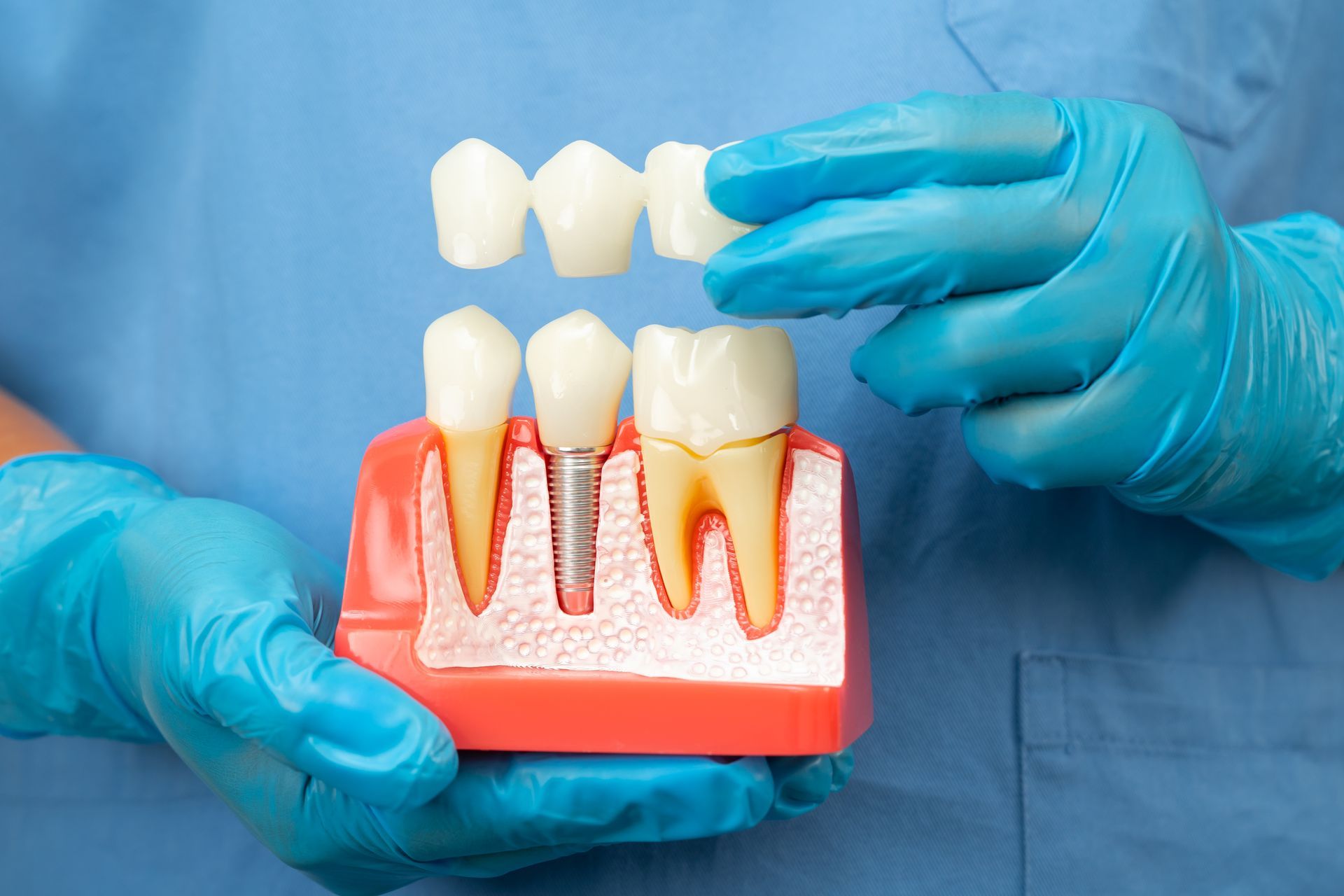
A complete implant plan may include an exam and imaging (often X-rays and a 3D scan), implant placement (the post/fixture), the abutment (the connector piece), the crown, bridge, or denture (the visible teeth), follow-up visits and adjustments, possible add-ons like extractions, bone grafting, or sinus work, and comfort options like sedation. Some ads or online prices only refer to one part - often just the implant post. That's why two quotes can look far apart even when the final plan ends up similar. For affordability, you need an apples-to-apples comparison. Our dental implant cost guide for Tucson patients breaks this down in full detail.
The biggest variables that change your total investment
Your total cost changes based on your mouth, your goals, and your restoration type. The biggest cost drivers include how many teeth you're replacing (one tooth vs. several vs. full arch), the type of final restoration (single crown, implant bridge, implant-supported denture, or full-arch teeth), bone health and whether grafting is needed, implant location (upper vs. lower anatomy), materials and lab work, timeline and technique, and comfort options. Knowing these variables helps you build a real budget instead of guessing.

Insurance and Dental Implants: What to Expect
Common ways dental plans handle implants and implant crowns
Dental insurance may help with parts of implant treatment, but coverage varies a lot. Some plans help cover the crown, cover a portion under "major services," cover extractions or imaging, or cover nothing related to implants at all. Even when implants are "covered," the plan may limit coverage through category rules, annual maximums, or waiting periods. Always check your exact plan details before making assumptions.
Annual maximums, deductibles, waiting periods, and exclusions
These plan limits often matter more than the coverage percentage. Key terms that impact your out-of-pocket cost include the deductible (what you pay before insurance starts helping), the annual maximum (the yearly cap insurance will pay, which is often low), waiting periods before major services are covered, and exclusions like missing-tooth clauses or implant exclusions. If your annual maximum is small, insurance may help - but it may not be the biggest part of your budget.
Pre-treatment estimates and how they prevent surprises
A pre-treatment estimate (pre-authorization) helps you avoid surprise bills. The office sends your planned procedure codes to the insurer, and the insurer replies with what they say they'll cover based on your benefits. It's not a guarantee, but it's a strong step for planning. If you're serious about affordability, ask for this before you commit.
How to Combine Insurance and Financing
Using insurance first, then financing the remaining balance
Many patients pay for implants with a straightforward combination: insurance plus financing. A common approach applies insurance (if applicable) to covered parts, then finances the remaining out-of-pocket portion with a monthly payment that fits your budget. This is where flexible financing options can make the plan doable - especially when insurance only covers a portion of the total.
Timing treatment across benefit years when it makes sense
If your plan has an annual maximum, you might schedule phases so that some covered items fall in one benefit year and other covered items fall in the next. This only works when it also makes sense medically and clinically, since healing phases matter. Your dental team can help you understand what's realistic for your specific timeline.
External Financing Options in Tucson
Healthcare credit cards and third-party lenders
Third-party financing can turn a large cost into monthly payments. Many dental patients use financing offered through healthcare lenders such as CareCredit and Cherry. These lenders typically offer quick applications and allow you to pay over time. Approval and terms depend on the lender and your credit profile.
Promotional financing vs. standard interest plans
Promotional plans can save money - but only if you follow the rules. You may see offers like 0% APR promotions or "no interest if paid in full" options. These can be helpful, but read the details closely, including the promotion length, what happens if the balance isn't paid off by the deadline, interest rates after the promotion ends, and any fees or penalties for late payments. Standard interest plans may have longer terms and steadier payments but cost more over time. The best option depends on your budget and how quickly you can pay it down.
Quick-application financing and what approval typically depends on
Approval is usually based on credit and basic identity checks. Most third-party financing looks at credit history and score, income and debt-to-income ratio, payment history, and identity verification. If you're worried you won't qualify, ask the office what alternatives exist - staging treatment, different plan options, or other lenders may all be on the table.
Payment Plans Through the Dental Office
What "payment plan" can mean (deposit and installments vs. third-party options)
"Payment plan" can mean two different things - it's worth asking which one you're being offered. An in-office plan typically involves a deposit plus scheduled installments, with terms that vary by practice. A third-party plan has the lender pay the office directly, and you pay the lender monthly. The key is clarity: who you pay, when you pay, and what's included in the treatment total.
Setting a monthly payment target that fits your budget
Start with a monthly number you can handle, then build the plan around it. A practical approach is to decide what monthly payment feels comfortable, choose a term length that matches that payment (shorter term equals higher payment but less interest), consider a down payment if it reduces monthly stress, and ask for a side-by-side comparison of options. This turns the cost conversation into a practical plan instead of an overwhelming one.
Other Smart Ways Patients Lower Out-of-Pocket Cost
Using HSA/FSA funds for eligible dental expenses
HSAs and FSAs can be a meaningful help for implant treatment. If you have access to a Health Savings Account or Flexible Spending Account, you may be able to use those funds toward eligible implant-related expenses. This can reduce your real cost because those dollars are often pre-tax. FSAs usually have yearly deadlines while HSAs roll over - always check your plan rules.
Prioritizing the highest-impact treatment first
If you can't do everything at once, prioritize what improves health and function first. High-impact priorities include stabilizing chewing ability, fixing infection or failing teeth, upgrading from an unstable lower denture to a more stable solution, and preventing future bone loss when timing matters. Sometimes the most affordable plan is the one that avoids bigger problems later. For more on why delays can increase cost over time, see our full breakdown of dental implant costs in Tucson.
What a Financial Consultation Should Cover
Line-item estimate (surgery, implant parts, restoration, imaging, sedation, add-on procedures)
You should receive a clear breakdown - not one lump number. A helpful estimate includes line items for exam and imaging, surgical placement fees, implant components (implant and abutment), the restoration (crown, bridge, denture, or full-arch teeth), sedation or anesthesia if used, add-on procedures like extractions or grafting, and follow-up visits and adjustments. This is how you compare options fairly and avoid surprise add-ons.
A written timeline so you know when payments are due
Implant care happens in stages, and payment timing should match those stages. Your timeline should clarify what happens first, second, and third, healing windows between steps, when the temporary phase occurs if applicable, when the final restoration is placed, and when each payment is due. That makes it easier to plan savings, insurance timing, and financing together.
A side-by-side comparison of financing and payment choices
You should see your choices next to each other, not have to guess. A clear comparison might show down payment options, monthly payment amounts, term lengths, interest or promotional details, and total cost over time. This is where patients make confident decisions - because the math is clear.
Red Flags When You're Comparing Implant "Deals"
Prices that exclude key components
If the price looks unusually low, it may not include the crown or abutment. Common missing items in "deal" pricing include the abutment, the crown or final restoration, imaging and CT scan, follow-up care, needed extractions or grafting, and the temporary teeth phase if that's part of the plan. Always ask: "Is this the total cost to finish, or just one part?"
Unclear warranty and maintenance expectations
Implants and restorations need maintenance - make sure you understand what's expected. Ask about routine cleaning requirements, the professional maintenance schedule, what's considered normal wear, and replacement costs for wearable components if applicable. Clarity now prevents frustration later.
No plan for follow-up care and long-term upkeep
Implant success depends on follow-up care. Be cautious if there's no clear plan for post-op checks, bite adjustments, long-term cleaning support, and monitoring gum health around implants. A cheaper upfront plan can become expensive if long-term care is unclear. Our page on implant-supported dentures in Tucson covers maintenance expectations in detail for patients considering overdenture options.
Next Steps for Tucson Patients
Book an implant evaluation to confirm candidacy and get an exact quote
The best affordability plan starts with a real diagnosis and a real number. Once you have a clear treatment plan, it's much easier to choose an insurance strategy, the right financing option, a monthly payment target, and phasing options if needed. Contact our Tucson office to schedule your evaluation.
Bring your insurance details and your monthly budget goal to align on a plan
Tell the office what you can afford monthly, then work backward. Bring your insurance card or plan details, any HSA or FSA information, your monthly comfort number, and your priorities - whether that's one tooth, several teeth, full-arch stability, or a specific timeline. With a clear plan and the right financing structure, many patients find that implants feel less like a huge expense and more like a manageable monthly decision built around long-term function and comfort.

Frequently Asked Questions
Is 0% financing for dental implants too good to be true?
Not necessarily, but the details matter. Promotional 0% APR offers through healthcare lenders like CareCredit are legitimate, but they come with a catch: if you don't pay off the full balance before the promotional period ends, you're often charged retroactive interest on the original amount - not just what's left. These offers work well for patients who are disciplined about paying on schedule. If that's not realistic for your budget, a standard interest plan with predictable payments may be the safer choice.
Can I use my HSA or FSA for the full cost of dental implants?
Dental implants are generally considered an eligible medical expense for both HSAs and FSAs, which means you can use those funds toward implant treatment. However, coverage can depend on the specific nature of the procedure and your plan's guidelines. FSA funds typically need to be used within the plan year, while HSA funds roll over indefinitely - so if you have both, timing matters. Check with your plan administrator before assuming full eligibility.
What if I don't qualify for third-party financing?
You still have options. Phasing treatment over time is the most common alternative - starting with the most urgent or impactful work and adding to it as budget allows. Some offices also offer in-house installment plans. It's worth being upfront with your dental team about your situation; they can often structure a plan that works within your means rather than presenting one take-it-or-leave-it number.
How do I know if staging my treatment will actually save me money?
Staging can reduce the amount you need to finance at once, which makes monthly payments more manageable. But it doesn't always reduce the total cost - and in some cases, waiting can increase it if bone loss progresses and grafting becomes necessary. The right question to ask your provider is whether staging is clinically appropriate for your case, not just financially convenient. When timing is medically sound, phasing treatment is a smart strategy. When it introduces risk, it may cost more in the long run.
Should I choose the dentist with the lowest implant quote?
Not without understanding what's in the quote. A low number that excludes the abutment, crown, imaging, or follow-up care isn't actually cheaper - it just looks that way at first. Before making any decision based on price, ask each provider for a written, line-item breakdown of everything included in their quote. Then compare those totals. Experience, technology, and follow-up care are also part of the value equation, not just the upfront number.
Share this Post
Casas Adobes Dentistry Blog