How Long Do Dental Implants Last?

Dental implants can last 25 years or more, and in many cases, they last a lifetime with proper care. After years of working with patients who have chosen dental implants, our team has seen firsthand how the right care, healthy habits, and routine checkups make all the difference in how long an implant performs. We've helped patients restore missing teeth, regain confident smiles, and protect their long-term oral health, so we understand what truly affects implant longevity. This guide breaks down what to expect, what affects the lifespan, and how to keep your implants strong for decades.
Understanding the Lifespan of Dental Implants
Dental implants are one of the most reliable tooth replacement options available today. They are built to last, but the lifespan depends on the type of implant part and how well it's cared for.
Are Dental Implants Designed to Be Permanent?
Yes. The implant post, the part placed in the jawbone, is designed to be a permanent replacement for the natural tooth root. Once it fuses with the bone, it becomes a stable foundation that can last a lifetime.
The Difference Between the Implant, Abutment, and Crown
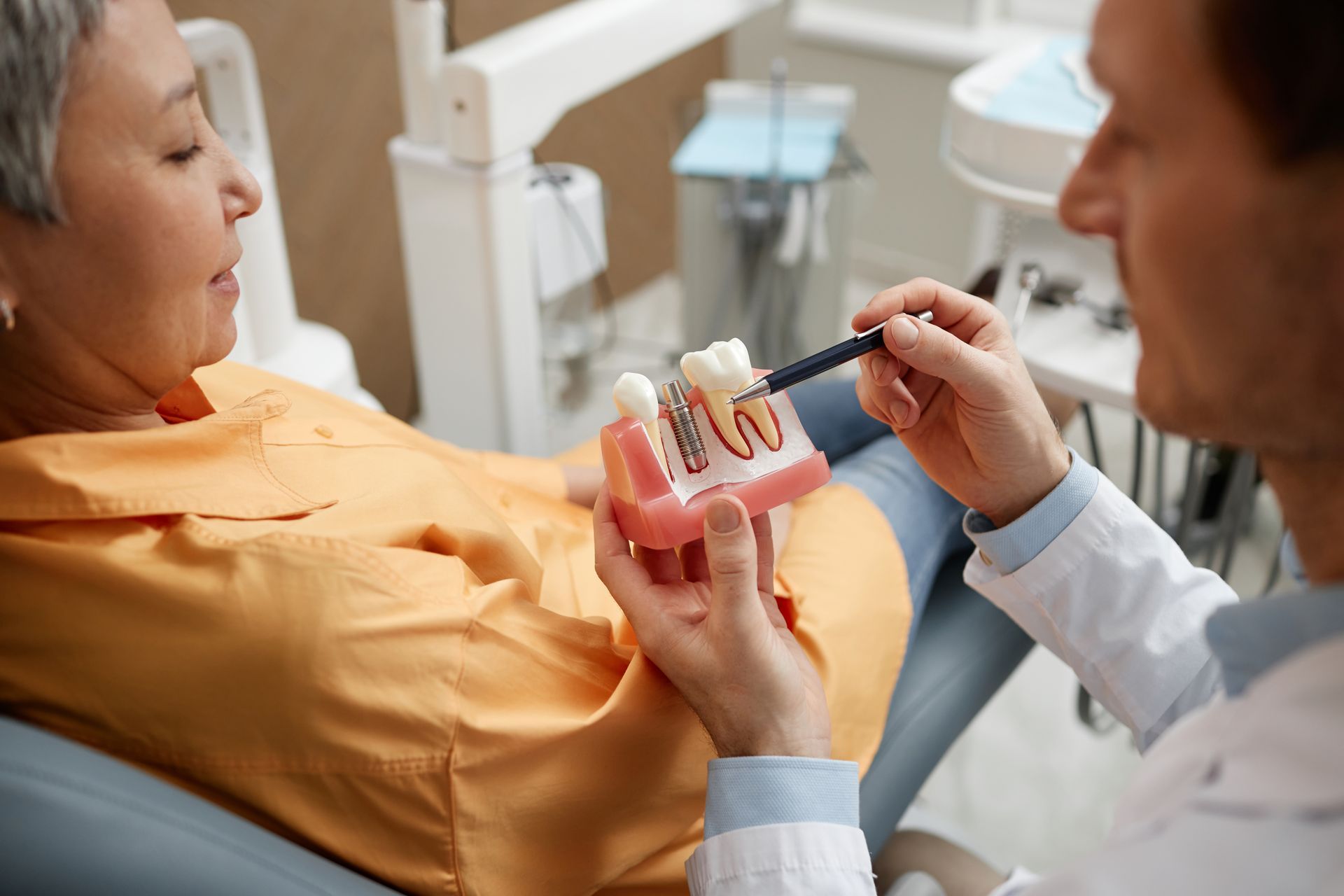
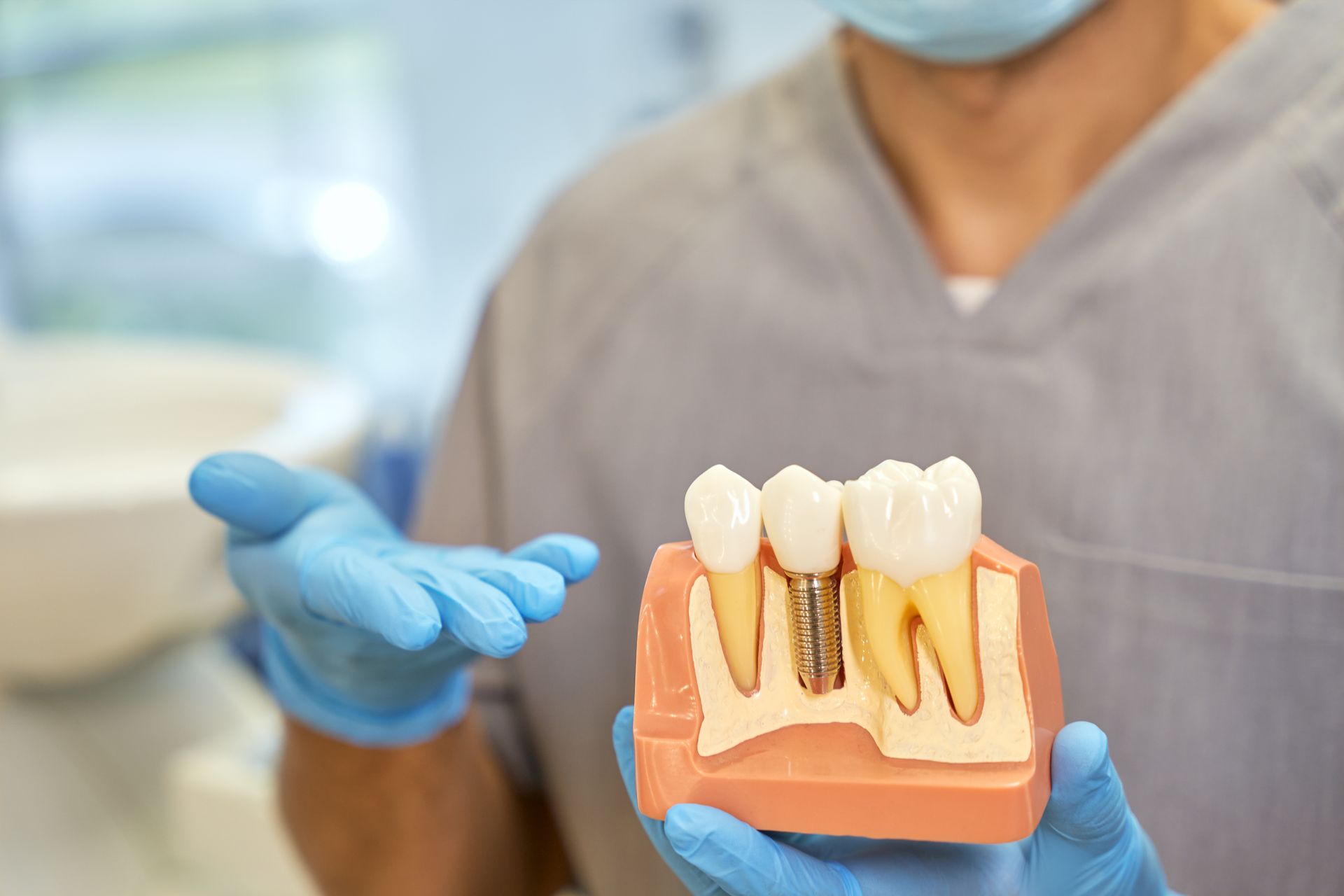
A dental implant has three main parts:
- The implant post: the titanium screw placed into the jawbone
- The abutment: the connector that holds the crown
- The crown: the visible tooth-shaped piece on top
Each part has a different lifespan, which is why some patients may need a crown replaced even when the implant post is still healthy.
Average Lifespan Expectations for Each Part of an Implant
- Implant post: 25 years to a lifetime
- Abutment: 10 to 20 years
- Crown: 10 to 15 years on average

What Makes Dental Implants Last So Long?
Dental implants are unique because they bond with the body. This is what gives them strength and stability for decades.
How Titanium Bonds With the Jawbone
Implants are usually made of titanium, a material that fuses naturally with bone in a process called osseointegration. Once this bond forms, the implant becomes part of the jaw, similar to a natural tooth root.
Why Bone Health and Gum Health Matter
Healthy bone and gums hold the implant in place. If the surrounding tissue stays strong, the implant can last for many years without issue. For patients without enough bone to support an implant, a bone graft can help rebuild the area before placement.
The Role of Modern Implant Technology and Planning
Today's implants benefit from advanced imaging, precise placement, and improved materials. Careful planning helps ensure the implant is positioned correctly, which adds to its long-term success.
How Long Do Implant Crowns Usually Last?
The implant post may last a lifetime, but the crown on top usually wears out sooner. Most dental crowns last 10 to 15 years before needing replacement.
Why Implant Crowns Wear Out Faster Than the Implant Post
Crowns handle daily chewing, biting, and grinding. Over time, this pressure can cause wear, even on durable materials like porcelain or zirconia.
Signs Your Implant Crown May Need Replacement
Chips, cracks, and bite wear
Small chips or surface cracks can develop after years of use.
Loose or damaged restorations
A crown that feels loose or shifts during chewing may need repair or replacement.
Cosmetic discoloration over time
Some crowns may stain or look duller than nearby teeth, especially after many years.
Factors That Can Shorten the Lifespan of Dental Implants
Even though implants are built to last, certain habits and conditions can shorten their lifespan.
Poor Oral Hygiene and Gum Disease
Plaque buildup and gum disease can weaken the tissue around the implant. This may lead to peri-implantitis, a condition that causes bone loss around the implant. Sticking to strong oral hygiene habits is one of the best ways to protect your investment.
Smoking and Tobacco Use
Smoking slows healing and reduces blood flow to the gums. This raises the risk of implant failure.
Teeth Grinding and Excessive Bite Pressure
Constant grinding puts heavy pressure on the implant and crown. Over time, this can cause damage or loosening.
Medical Conditions That Affect Healing
Conditions like uncontrolled diabetes or autoimmune issues can affect how well the implant heals and stays in place.
Skipping Routine Dental Visits
Without regular checkups, small problems can grow into bigger ones. Routine visits help catch issues early.
How to Make Dental Implants Last Longer
A few simple habits can keep your implants strong for many years.
Daily Cleaning Habits That Protect Implants
A consistent home care routine is the simplest way to extend the life of your implant. Focus on these habits every day:
- Brush twice a day with a soft-bristled toothbrush
- Floss around the implant using unwaxed floss or implant-specific floss
- Use an antibacterial mouth rinse to reduce plaque
- Clean below the gumline gently with a water flosser if recommended
- Avoid abrasive toothpastes that can scratch the crown surface
Why Professional Cleanings Are Important
Dental cleanings remove plaque that brushing can miss. They also let your dentist check the health of the implant.
Using Night Guards for Teeth Grinding
If you grind your teeth at night, a custom night guard helps protect both your implant and your natural teeth.
Healthy Lifestyle Choices That Support Implant Success
A few everyday habits make a big difference in how long your implant lasts:
- Eat a balanced diet rich in calcium and vitamin D
- Stay hydrated to support healthy gum tissue
- Avoid tobacco products of any kind
- Limit sugary drinks and snacks that feed harmful bacteria
- Manage stress, which can lead to teeth grinding
Signs a Dental Implant May Be Failing
Implants are very successful, but it's important to know the warning signs of trouble. Contact your dentist right away if you notice any of these:
- Pain or pressure that doesn't go away
- Swelling, redness, or pus around the implant
- A crown or abutment that feels loose
- Receding gums or visible threads on the implant
- Trouble chewing or a bite that feels off
- Bleeding when brushing the implant area
Persistent Pain or Swelling Around the Implant
Mild discomfort after surgery is normal, but ongoing pain may be a sign of infection or bone loss.
Loose Implant Restorations
If the crown, abutment, or implant itself feels loose, it should be checked right away.
Gum Recession or Bone Loss
Receding gums or visible changes around the implant may point to bone loss.
Difficulty Chewing or Bite Changes
A shift in your bite or trouble chewing on the implant side may signal a problem.
Are Dental Implants Worth the Long-Term Investment?
For many patients, dental implants are one of the best long-term choices for replacing missing teeth.
Comparing Implants to Bridges and Dentures
| Option | Average Lifespan | Bone Support | Maintenance |
|---|---|---|---|
| Dental Implants | 25+ years to lifetime | Preserves bone | Brush and floss like natural teeth |
| Dental Bridges | 5 to 15 years | Does not preserve bone | Special flossing required |
| Dentures | 5 to 10 years | Bone loss over time | Daily removal and cleaning |
Long-Term Cost vs. Longevity
Implants may cost more upfront, but they often last much longer than bridges or dentures. Fewer replacements can mean lower costs over time.
Functional and Cosmetic Benefits Over Time
Implants feel and function like natural teeth. They also help maintain facial structure by preserving the jawbone.
Who Is a Good Candidate for Long-Lasting Dental Implants?
Not everyone has the same starting point for implants, but most adults qualify with the right preparation.
Healthy Bone Structure and Gum Tissue
Strong bone and healthy gums give the implant a stable foundation. Patients with bone loss may need a bone graft first.
Lifestyle Habits That Improve Implant Outcomes
Non-smokers and patients who keep up with oral hygiene tend to have the best results.
Why a Comprehensive Consultation Matters
A thorough exam helps your dentist understand your needs and plan the best approach for long-term success. For patients missing several teeth, options like All-on-4 implants may also come up during this conversation.
Dental Implant Maintenance After Treatment
Caring for your implant after placement is just as important as the procedure itself.
What to Expect During Recovery and Healing
Healing usually takes a few months as the implant bonds with the bone. Mild swelling and tenderness are normal early on.
Long-Term Follow-Up Care
Regular visits help your dentist track healing and check the implant's stability.
How Dentists Monitor Implant Stability Over Time
Dentists use exams, X-rays, and bite checks to make sure the implant stays strong and well-positioned.
What Patients Should Know Before Choosing Dental Implants
A little preparation goes a long way when planning for implants.
Questions to Ask During Your Consultation
Helpful questions include:
- How long will the full process take?
- What kind of implant material will be used?
- What is the expected lifespan of each part?
- What happens if the implant fails?
Choosing the Right Implant Provider
Look for a provider with strong experience, clear communication, and a thorough planning process. Patients who feel anxious about the procedure may also want to ask about sedation dentistry options to make treatment more comfortable.
Setting Realistic Expectations for Longevity
Implants are built to last, but lifespan depends on care, health, and habits. A clear understanding upfront helps you plan well.
Final Thoughts on the Lifespan of Dental Implants
Dental implants are one of the most durable tooth replacement options available, and many last a lifetime when cared for properly.
Why Proper Care Makes the Biggest Difference
Daily cleaning, healthy habits, and regular dental visits are the keys to long-lasting implants.
How Dental Implants Can Provide Decades of Function and Confidence
With the right care, implants can restore chewing, protect bone, and give you a confident smile for decades.
Ready to Learn More About Long-Lasting Dental Implants?
If you're thinking about dental implants or want to make sure your current implants stay healthy for years to come, our team is here to help. A consultation is the best way to understand your options and create a plan that fits your smile and your long-term goals. Contact our office today to schedule your visit.

Frequently Asked Questions
Can dental implants get cavities?
No. Implants are made of titanium and ceramic, so they cannot decay. However, the gums and bone around the implant can still develop problems if plaque builds up. This is why daily cleaning and regular checkups are still important after getting an implant.
Can a failed dental implant be replaced?
Yes, in most cases. If an implant fails, your dentist can often place a new one after the area heals. A bone graft may be needed first if there's been bone loss. The success rate for replacement implants is still high when the underlying cause is addressed.
Will my dental implant set off metal detectors at airports?
No. Titanium implants are not magnetic and are too small to trigger airport security scanners. You can travel without any concerns or special documentation.
Do dental implants need to be replaced as you age?
Not usually. The implant post is built to last a lifetime and doesn't wear down with age. The crown on top may need replacement after 10 to 15 years, but the implant itself typically stays in place as long as the surrounding bone and gums remain healthy.
How soon after tooth loss should I get a dental implant?
Sooner is usually better. The jawbone starts to shrink within a few months of losing a tooth, which can make implant placement harder later on. That said, your dentist can plan around bone loss with grafting if needed, so it's never too late to ask about your options.
Share this Post
Casas Adobes Dentistry Blog