Can Smokers Get Dental Implants? What to Know Before Treatment

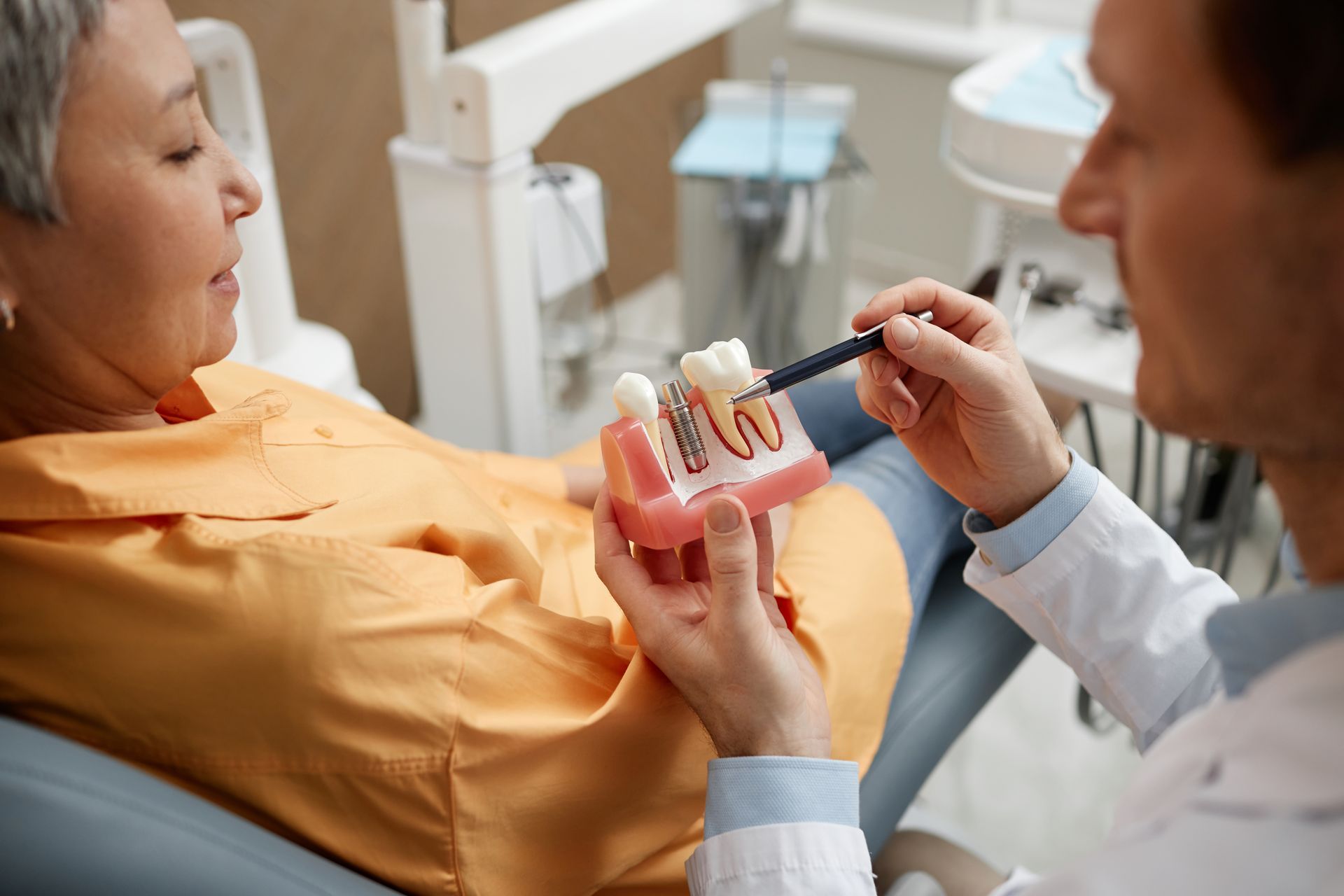
At Casas Adobes Dentistry, our team has placed dental implants for patients across a wide range of health backgrounds, including smokers. We know that missing teeth affect more than just your smile, and we believe every patient deserves honest, clear information before making a treatment decision. In this guide, we break down exactly how smoking affects dental implants, what you can do to improve your chances of success, and when implants may or may not be the right fit.
Can Smokers Still Get Dental Implants?
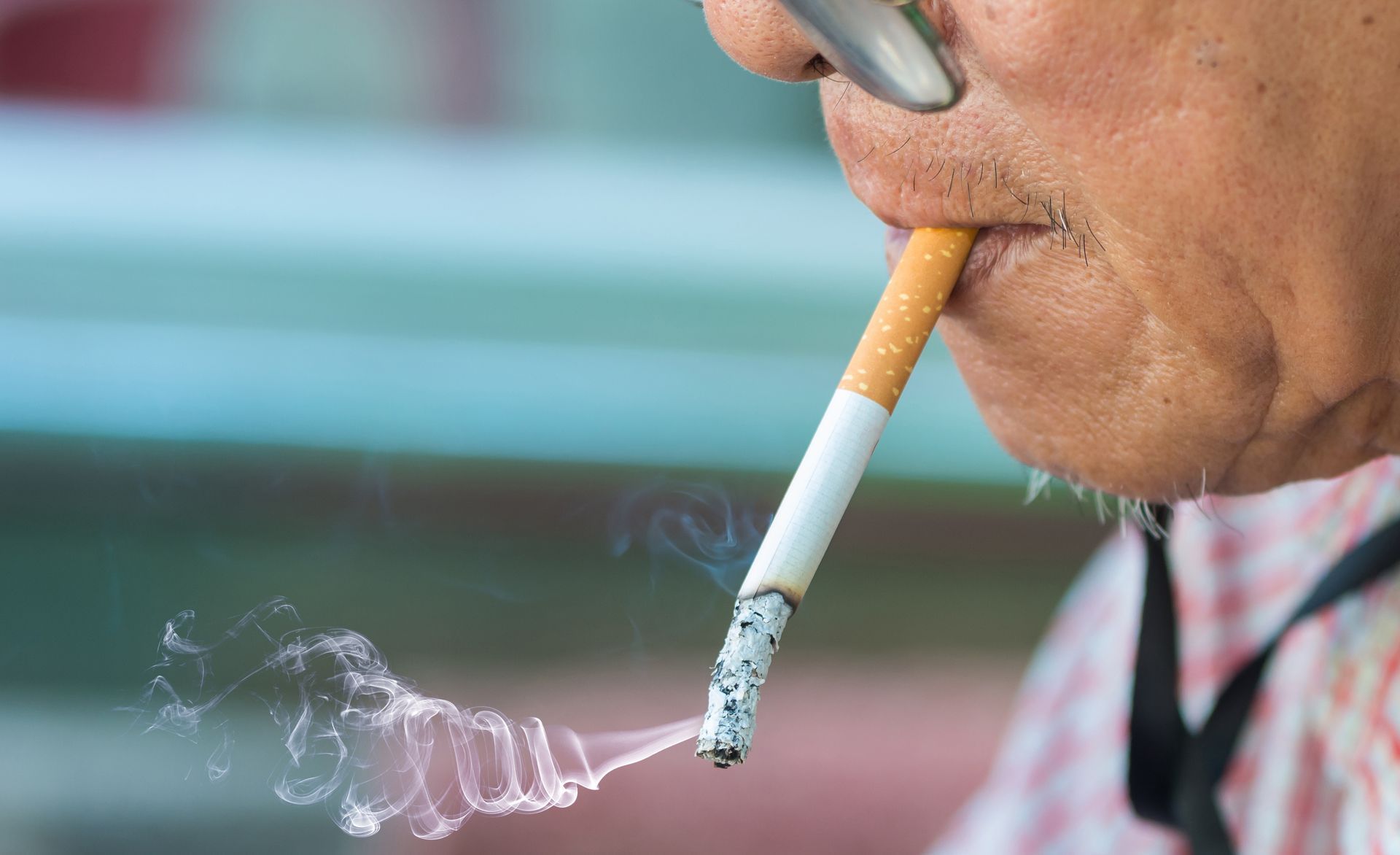
Yes, smokers can still get dental implants, but smoking does increase the risks involved. It is not an automatic disqualifier, but it is a factor your dentist needs to know about and account for in your treatment plan.
The decision comes down to your overall oral health, the density of your jawbone, the condition of your gums, and how much you smoke. Many smokers go on to have successful implants when they follow the right preparation and aftercare steps. But smoking raises the likelihood of complications, including slower healing, infection, and implant failure, which is why full transparency with your dental team matters from the very first visit.

Why Smoking Matters for Dental Implant Success
Reduced Blood Flow and Slower Healing
Nicotine causes blood vessels to narrow. This reduces blood flow to the gums and bone tissue around the implant site. Healthy blood flow is what delivers oxygen and nutrients to healing tissue, so when it's restricted, the body takes longer to recover after surgery. Slower healing means a longer window of vulnerability to bacteria and infection.
Higher Risk of Infection
Smoking weakens the immune system's ability to fight off bacteria in the mouth. It also dries out the oral tissues and reduces saliva production, which normally helps rinse away bacteria. After implant surgery, this creates an environment where infection is more likely to take hold before the implant has a chance to stabilize.
Increased Chance of Implant Failure
Studies show that smokers have a significantly higher implant failure rate than non-smokers. Research published in the National Library of Medicine found that smoking is one of the most consistently cited risk factors for implant failure, with failure rates roughly two to three times higher in smokers compared to non-smokers. Failure often occurs either in the early healing phase or years later as bone loss progresses.
Greater Risk of Gum Disease and Bone Loss
Smokers are already at higher risk for gum disease and bone loss, both of which can compromise the foundation an implant depends on. An implant needs healthy bone and stable gum tissue to stay in place long term. If gum disease develops around an implant, a condition called peri-implantitis, it can erode the bone holding the implant and eventually cause it to fail.
How Smoking Affects the Healing Process After Implant Surgery
Early Healing After Placement
The first several weeks after implant placement are the most critical. The gum tissue needs to close around the implant and the surrounding bone needs to begin bonding with the titanium post. Smoking during this phase slows tissue recovery, increases infection risk, and can disrupt the early stages of the healing process before it has a chance to stabilize.
Osseointegration and Bone Attachment
Osseointegration is the process by which the jawbone fuses with the implant post, creating the stable foundation that makes implants so durable. This process takes several months. Smoking interferes with bone cell activity and reduces the quality of this fusion. In some cases, the bone never fully integrates with the implant, leading to implant loosening or failure.
Long-Term Maintenance of the Implant
Even after the implant has healed successfully, smoking continues to affect long-term outcomes. Ongoing tobacco use increases the risk of chronic gum disease around the implant, gradual bone loss, and implant-related infections. Smokers who keep their implants healthy long-term tend to be those who either quit or significantly reduce tobacco use after treatment.
Are You a Good Candidate for Dental Implants if You Smoke?
Bone Density and Jaw Health
Sufficient bone density is required to anchor an implant securely. Heavy or long-term smokers may have experienced some degree of bone loss, which can affect candidacy. Your dentist will use X-rays or 3D imaging to evaluate your bone volume. If bone loss has occurred, a bone graft may be recommended before implant placement.
Gum Condition and Periodontal Health
Your gums need to be in reasonably healthy condition before implants are placed. Active gum disease must be treated and resolved first. Smokers with a history of periodontal disease will need a thorough evaluation and may need periodontal treatment before they are cleared for implants.
Number of Cigarettes or Nicotine Use
The amount you smoke matters. Light or occasional smokers carry lower risk than heavy daily smokers. Your dentist will ask about your tobacco use, including cigarettes, cigars, smokeless tobacco, vaping, and nicotine products, to get a complete picture of your risk profile.
Overall Health and Medical History
Certain health conditions common in smokers, such as diabetes, cardiovascular disease, and compromised immune function, can also affect implant outcomes. A full medical history review is part of any implant consultation and helps your dentist determine whether additional precautions are needed.
Steps That Can Improve Implant Success for Smokers
Quitting Before Treatment
Stopping smoking before your implant procedure is the single most impactful thing you can do to improve your chances of success. Most dentists recommend quitting at least one to two weeks before surgery, though the longer you can stop in advance, the better. Even a short cessation period allows blood flow to partially recover and reduces infection risk during the critical early healing window.
Avoiding Smoking During Recovery
Smoking in the days and weeks immediately following implant surgery significantly increases the risk of complications. The suction from smoking can disrupt healing tissue, and the chemicals in tobacco smoke impair the immune response at exactly the time when your body needs it most. Most dentists recommend avoiding tobacco entirely for at least two months after surgery.
Following Post-Op Instructions Carefully
Your dentist will provide specific aftercare instructions after implant placement. Following them closely, including dietary restrictions, oral hygiene routines, and medication schedules, helps compensate for some of the healing challenges that smoking creates.
Keeping Excellent Oral Hygiene
Thorough brushing, flossing, and rinsing with an antibacterial mouthwash helps control the bacteria that smokers are more vulnerable to. Good home care is a daily investment in the long-term success of your implant.
Attending Follow-Up Visits
Regular check-ins with your dentist after implant surgery allow any early signs of infection, inflammation, or poor integration to be caught and addressed before they become serious problems. Smokers benefit especially from more frequent monitoring during the healing period.
Alternatives if Dental Implants Are Not Recommended Right Now
If your dentist determines that implants are not advisable at this time due to smoking-related bone loss, gum disease, or other factors, there are other options to consider while you work toward better candidacy.
Dental Bridges
A dental bridge uses the teeth on either side of a gap as anchors to support a false tooth in between. It doesn't require surgery and can be a good interim solution for one or a few missing teeth.
Partial Dentures
For patients missing several teeth, a removable partial denture can restore function and appearance without surgery. It's a lower-risk option that doesn't depend on bone integration.
Full Dentures
For patients missing most or all of their teeth, full dentures offer a non-surgical solution that can restore a functional, natural-looking smile while you address the health factors that may be affecting your implant candidacy.
Delaying Implants Until Smoking Cessation
In some cases, the best plan is simply to wait. Patients who commit to quitting smoking and improving their oral health often become strong implant candidates within a year or two. Your dentist can help you set a realistic timeline and monitor your progress.
What to Expect During a Dental Implant Consultation
Oral Exam and Imaging
Your dentist will examine your teeth, gums, and bite, and take X-rays or cone beam CT imaging to assess bone volume and density. This gives a clear picture of your jaw's current structure and whether it can support an implant.
Review of Smoking Habits
Be honest about how much you smoke and what type of tobacco or nicotine products you use. This information directly affects the treatment plan your dentist recommends and the precautions they build into your care.
Personalized Risk Assessment
Based on your exam findings, health history, and smoking habits, your dentist will walk you through the specific risks and what they mean for your individual situation. Every patient is different, and a blanket yes or no on implant candidacy rarely tells the full story.
Custom Treatment Plan
If implants are appropriate for you, your dentist will outline the full plan, including whether preparatory work such as bone grafting or periodontal treatment is needed, what the surgical timeline looks like, and what aftercare will involve for a smoker.
Common Mistakes Smokers Should Avoid Before Implant Treatment
Hiding Tobacco or Nicotine Use
Some patients don't disclose their smoking habits because they worry it will disqualify them. This is one of the most counterproductive things you can do. Your dentist is not there to judge your habits. They need accurate information to protect your health and give you the best chance of a successful outcome.
Smoking Immediately After Surgery
Lighting up in the hours or days after implant placement puts your entire investment at risk. The chemicals in smoke and the physical act of inhaling both interfere with clot formation and tissue healing at the most vulnerable moment in the process.
Skipping Maintenance Visits
Regular cleanings and monitoring visits are important for every implant patient, but they're especially critical for smokers. Skipping these appointments means potential problems go undetected longer and become harder to reverse.
Ignoring Gum Disease Symptoms
Bleeding gums, swelling, or persistent bad breath around an implant site are not symptoms to dismiss. These can be early signs of peri-implantitis, which progresses much faster in smokers. Catching it early is the difference between a simple treatment and implant loss.
Long-Term Care Tips for Smokers With Dental Implants
Routine Cleanings and Exams
Plan on professional cleanings at least twice a year, and consider more frequent visits if your dentist recommends it. Smokers tend to accumulate more tartar and are at higher risk for the gum inflammation that threatens implants.
Daily Home Care
Brush twice a day, floss once a day, and use an antibacterial rinse. If you have an implant, a water flosser is a particularly effective tool for cleaning around the implant post and crown where a toothbrush can't always reach.
Monitoring for Inflammation or Looseness
Pay attention to how your implant feels. If it starts to feel loose, if the surrounding gum becomes red or swollen, or if you notice pain around the implant site, contact your dentist promptly. Early intervention almost always produces better outcomes than waiting.
Reducing or Quitting Tobacco Use
The best long-term investment you can make in your implant is cutting back on or eliminating tobacco use. Even patients who smoked during and after implant placement can stabilize their outcomes significantly by quitting. It's never too late to reduce your risk.
Find Out If Dental Implants Are Right for You
Smoking doesn't automatically rule out dental implants, but it does mean you need an honest, thorough evaluation from a dentist who understands the risks involved. The best outcomes for smokers come from full transparency, careful preparation, and a commitment to following post-surgical guidance.
If you're ready to find out where you stand, contact Casas Adobes Dentistry to schedule a dental implant consultation. Our team will give you a clear, personalized assessment and help you understand every option available so you can make the decision that's right for your health and your smile.

Frequently Asked Questions About Smoking and Dental Implants
How long do I need to quit smoking before getting dental implants?
Most dentists recommend stopping for at least one to two weeks before implant surgery to allow blood flow and immune function to partially recover. However, the longer you can abstain before the procedure, the better your odds. Stopping for several months before surgery, combined with avoiding tobacco during recovery, gives you results much closer to those of a non-smoker.
What is the dental implant failure rate for smokers compared to non-smokers?
Research consistently shows that smokers have implant failure rates roughly two to three times higher than non-smokers. Exact numbers vary depending on the study and patient population, but the elevated risk is well-documented. Heavy smokers carry the highest risk, while occasional or light smokers fall somewhere in between.
Can I use a nicotine patch or gum instead of smoking after implant surgery?
Nicotine itself, regardless of the delivery method, can still impair blood flow and slow healing to some degree. However, patches and gum are significantly better than smoking because they eliminate the combustion byproducts and the suction involved in smoking, both of which cause additional damage at the surgical site. If quitting entirely isn't immediately possible, switching to a patch during recovery is a meaningful harm-reduction step.
Will my dentist know if I smoke even if I don't tell them?
Often, yes. Dentists are trained to recognize the oral signs of tobacco use, including staining, tissue changes, bone patterns, and gum recession. Being upfront saves time and helps your dentist make better decisions for your care.
Can I get implants if I've already had one fail due to smoking?
In many cases, yes, but it depends on how much bone was lost and whether the underlying risk factors have changed. A second attempt is more likely to succeed if you have reduced or stopped smoking, had the site assessed and treated properly, and allowed enough time for bone recovery. Your dentist can evaluate whether re-treatment is appropriate.
Share this Post
Casas Adobes Dentistry Blog