Dental Implants vs Dentures in Tucson: Which Option Fits Your Lifestyle and Budget?

If you are comparing dental implants vs dentures in Tucson, here is the simple answer first: dentures usually cost less upfront, while dental implants often feel more stable and can offer better long-term function. At Casas Adobes Dentistry, our team helps patients compare tooth replacement options every day, from removable dentures to implant-supported dentures and full dental implant treatment. That real-world experience gives us insight into the questions people ask most, the tradeoffs that matter, and the factors that affect comfort, cost, and long-term results. In this guide, we will explain the differences clearly so you can make a smart choice based on your health, lifestyle, and budget.
Losing teeth can affect much more than your smile. It can change the way you eat, speak, and feel around other people. The good news is that modern tooth replacement offers more than one path forward. For some people, dentures are the right fit. For others, implants make more sense. And for many patients, implant-supported dentures in Tucson offer a middle ground between the two.
Understanding Your Tooth Replacement Options
What dentures are and how they work
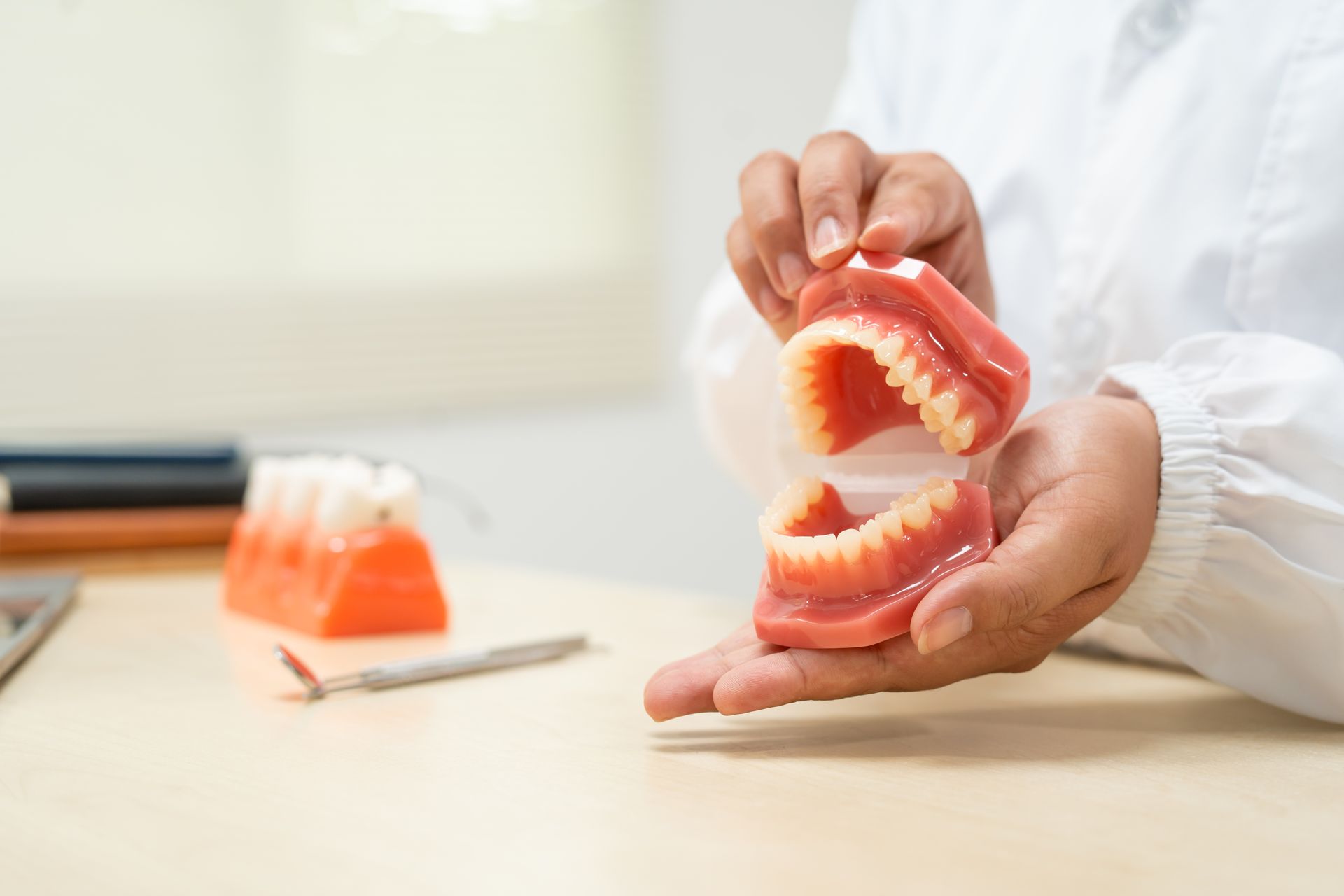
Dentures are removable appliances that replace missing teeth. They can replace a full arch of teeth or just a few missing teeth, depending on the type. Traditional full dentures sit on top of the gums and are taken out for cleaning. Partial dentures attach around remaining teeth.
Dentures can be a helpful option for people who want a lower upfront cost or who are not ready for surgery. They have helped many patients restore their smile and basic function.
What dental implants are and how they work
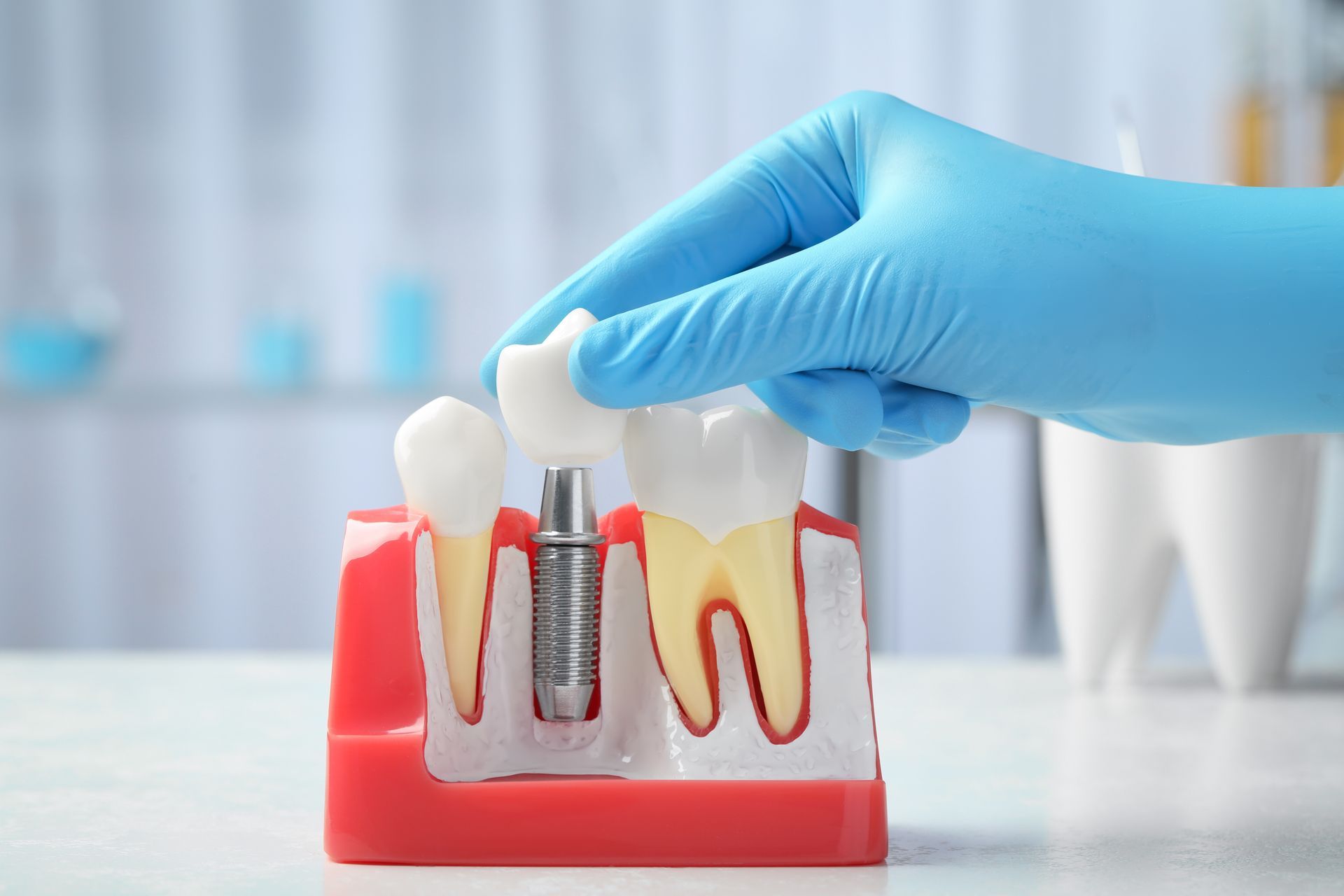
Dental implants are small posts placed in the jawbone to support replacement teeth. After healing, they can hold a crown, bridge, or full-arch restoration. Unlike dentures, implants are fixed in place and do not rely on resting on the gums alone.
Because they are anchored in the bone, implants often feel more like natural teeth. Many patients looking for a permanent tooth replacement option start by learning about implants for this reason.
How implant-supported options fit between traditional dentures and full implants
There is also a middle-ground option: implant-supported dentures. These dentures attach to implants for better support and stability. Some are removable, while others are more fixed and feel more secure than traditional dentures.
This can be a helpful choice for patients who want more stability than regular dentures but may not want a full set of individual implants.
Key Differences Between Dental Implants and Dentures
Procedure and treatment timeline
One of the biggest differences is the process itself. Dentures are usually faster to get. They may still require extractions, impressions, fittings, and adjustments, but the overall timeline is often shorter than implant treatment.
Dental implants usually take longer. The process may include a consultation, imaging, tooth removal, healing, implant placement, and final restoration. Some patients may also need bone grafting when the jaw does not have enough support.
If speed is your top concern, dentures may feel simpler. If long-term stability is your goal, implants may be worth the extra time.
Appearance, fit, and day-to-day comfort
Dentures can look natural, but they do not always feel natural. Because they sit on the gums, they may shift or rub. Some patients get used to them quickly. Others always notice them.
Dental implants are fixed in place, so they often feel more secure. Patients often say they feel closer to natural teeth when chewing and speaking. This is a big reason many people weigh fixed teeth against removable dentures before making a choice.
Eating, speaking, and overall function
Both dentures and implants can improve your ability to eat and speak compared with having missing teeth. Still, there are differences.
Dentures may limit certain foods, especially harder or stickier ones. They can also move slightly while talking or chewing. Implants usually offer better bite support and more confidence with food choices.
Maintenance, durability, and replacement needs
Dentures need daily cleaning and regular care. Over time, they may need relines, repairs, or replacement as the shape of the gums and jaw changes.
Implants also need care, but the maintenance is different. You still need brushing, flossing, and regular checkups. The implant itself can last many years, but the restoration may need maintenance over time. In general, implants are known for longer-term durability, while dentures usually need replacement more often.
Benefits and Limitations of Dentures
Why dentures appeal to some patients
Dentures and partial dentures still make sense for many people. They usually cost less upfront, do not require implant surgery, and can restore appearance fairly quickly. For patients with major tooth loss, dentures can be a practical step toward getting function back.
They are also a useful option for people who may not be good implant candidates due to health concerns, limited bone support, or budget.
Where dentures may feel less convenient over time
The main drawbacks of dentures are stability and long-term changes. They may slip while eating or speaking. They may need adhesive. They can also become loose as the jawbone changes over time.
This is one reason people start looking at implants when they get tired of adjusting to dentures every day.
Who may be a good candidate for removable tooth replacement
Dentures may be a better fit for patients who want the most affordable starting point, who want to avoid surgery, or who need a tooth replacement solution quickly. They can also be helpful for seniors or others who want a simpler treatment plan.
That said, simple does not always mean better. It depends on the person and what daily life looks like for them.
Benefits and Limitations of Dental Implants
Why implants feel more like natural teeth
Dental implants are placed in the jaw and support teeth in a more natural way. Because of that, they often feel stronger and more stable than removable dentures. Many patients like that they do not need to remove them at night or worry as much about movement.
How implants support jawbone health and facial structure
One major benefit of implants is bone support. When teeth are missing, the jawbone can shrink over time. This is one reason facial structure can change after tooth loss. Implants can help support the bone in a way dentures cannot, which is an important factor when looking at long-term outcomes.
When surgery, healing time, or bone density become important considerations
Implants do have limits. They require surgery, healing time, and enough bone for support. Some patients may need gum treatment or bone grafting first. Others may have medical conditions that affect healing.
So while implants can be an excellent long-term option, they are not always the easiest or fastest option. If surgery is a concern, it is worth asking about sedation dentistry options that can make the experience more comfortable.
Comparing Cost: Dental Implants vs Dentures in Tucson
Upfront cost differences
In most cases, dentures cost less upfront than implants. Dental implants cost more at the beginning because they include surgery, planning, materials, and follow-up care. If you need several implants or a full-mouth plan, the cost can increase further. Our dental implants cost guide for Tucson breaks down what factors influence the final price.
Long-term costs, repairs, and replacement
Upfront cost is only part of the picture. Dentures may need adjustments, relines, repairs, and replacement every few years. Implants usually cost more at the start, but they may last much longer with proper care.
That is why comparing the long-term cost of each option matters. A lower starting price does not always mean lower lifetime value.
Value beyond price alone
Value includes comfort, confidence, function, convenience, and how long the solution may last. For some patients, dentures offer good value because they meet immediate needs at a lower cost. For others, implants offer better value because they feel more stable and need fewer replacements over time.
This is why the best choice is not always the cheapest one. It is the option that matches your real needs.
Insurance, financing, and budget planning
Insurance coverage can vary a lot. Some plans may help with dentures more than implants. Others may cover only certain parts of treatment. Dental implant financing in Tucson can also make either option easier to manage.
A good provider should explain what is included, what may be covered, and how to plan around your budget without pressure.
Lifestyle Factors That Can Help You Decide
Choosing between removable and fixed teeth
One of the most important lifestyle questions is whether you are comfortable with removable teeth. Some patients do not mind taking dentures out to clean them. Others strongly prefer fixed teeth that stay in place.
This simple preference often points patients toward the right choice.
How comfort and convenience affect daily life
Think about your daily routine. Do you want the lowest upfront cost, even if it means more daily adjustment? Or would you rather invest more now for something that may feel easier to live with each day?
Comfort matters. So does convenience. These factors affect eating, speaking, cleaning, travel, and confidence.
Food choices, confidence, and social situations
If you love crunchy foods, talk a lot for work, or feel self-conscious about slipping dentures, implants may fit your lifestyle better. If your main goal is restoring your smile at a lower cost, dentures may still be the right answer.
There is no one perfect choice for everyone. The goal is to match treatment to real life.
Matching your choice to your long-term goals
Ask yourself where you want to be in five or ten years. Are you looking for a short-term answer or a long-term solution? Are you most focused on budget right now, or do you want something closer to natural teeth for the future?
These answers can make the decision clearer.
Health Factors That Can Affect Your Candidacy
Bone density and gum health
Healthy gums and enough bone matter more for implants than for dentures. If there has been bone loss, you may need extra treatment before implant placement.
Dentures usually place fewer demands on bone and gum structure, though healthy tissues still matter for fit and comfort.
Medical conditions and healing considerations
Conditions like uncontrolled diabetes, heavy smoking, or some medications may affect implant healing. That does not always mean implants are off the table, but it does mean you need a careful exam and honest discussion.
Dentures may be the easier path for some patients with more complex health concerns.
When bone grafting or alternative options may be needed
Some patients who are not ready for full implants may still qualify for implant-supported dentures or other alternative plans. You can also learn more about whether are dental implants worth it for your specific situation. This is why a full exam matters before choosing between dentures and implants.
How to Decide Which Option Is Right for You
When dentures may be the better fit
Dentures may be better if you want a lower upfront cost, want to avoid surgery, need treatment sooner, or have health concerns that make implants less ideal. They can still restore appearance and basic function for many patients.
When dental implants may be the better fit
Implants may be better if you want the most stable, long-term option and are comfortable with a longer treatment process. They may also be a better fit if you want a more natural feel and want to support long-term jawbone health.
When implant-supported dentures may offer a middle-ground solution
For many patients, the best answer is not choosing one extreme or the other. Implant-supported dentures can improve stability while keeping treatment more affordable than a full set of individual implants. This can be a smart option for people who want a balance of cost and function.
Choosing the Right Provider in Tucson
Why a thorough exam matters before comparing options
You cannot compare dentures and implants the right way without a full exam. Bone support, gum health, missing teeth, bite issues, and medical history all affect what makes sense for you.
Questions to ask about treatment plans and long-term costs
Ask what each option includes, how long it may last, what maintenance is expected, and what future costs may come up. A clear treatment plan helps you compare options honestly. Our guide on choosing the best dental implants provider in Tucson covers exactly what to look for during that process.
The importance of honest guidance based on your goals and budget
The best provider will not push one answer for every patient. They should explain the pros and cons of dentures, implants, and implant-supported dentures in a simple way that helps you decide with confidence.
Final Thoughts on Dental Implants vs Dentures in Tucson
The best choice depends on your health, lifestyle, and budget
When comparing dental implants vs dentures in Tucson, many patients want one perfect answer. The truth is that the best option depends on your goals. Dentures may be better for budget and simplicity. Implants may be better for stability, function, and long-term support.
How the right solution can improve comfort, confidence, and function
The right tooth replacement can change daily life in a big way. It can help you eat with more comfort, speak with more ease, and smile with more confidence. Schedule your next consultation with our professional dental team.

Frequently Asked Questions
Are dental implants worth the higher upfront cost compared to dentures?
For many patients, yes, but it depends on your priorities. Implants typically offer greater stability, a more natural feel, and better long-term jawbone preservation. While the upfront cost is higher, dentures often require adjustments, relines, and eventual replacement, which adds up over time. If long-term comfort and function matter most to you, implants often deliver better lifetime value.
Can I switch from dentures to dental implants later?
In many cases, yes. Patients who currently wear dentures can be evaluated for implants or implant-supported dentures. However, prolonged denture use can lead to jawbone loss, which may require bone grafting before implant placement is possible. The sooner you have the conversation with your provider, the more options you are likely to have.
What are implant-supported dentures, and how are they different from regular dentures?
Implant-supported dentures attach to dental implants placed in the jawbone, which gives them significantly more stability than traditional dentures that rest on the gums. Some styles are removable for cleaning, while others are more fixed. They offer a middle-ground option between standard dentures and full individual implants, better function than traditional dentures, often at a lower cost than a full implant plan.
Do I need bone grafting before getting dental implants?
Not always. Whether bone grafting is needed depends on how much bone volume remains in your jaw. Bone loss is common after tooth extraction, so patients who have been without teeth for some time are more likely to need grafting. Your provider will determine this through a CBCT scan or 3D imaging during your consultation.
How do I know which tooth replacement option is right for me?
The best way to find out is through a comprehensive exam with an experienced provider. Factors like your bone density, gum health, overall health, budget, and lifestyle preferences all play a role. There is no single right answer for everyone, the goal is to match the treatment to your real needs and long-term goals.
Share this Post
Casas Adobes Dentistry Blog