Sedation Dentistry for Dental Implants in Tucson: Easing Fear and Anxiety

At Casas Adobes Dentistry in Tucson, our dentists place dental implants every week and use safe, modern sedation to help patients feel calm and comfortable. Our team has advanced training in implant surgery and sedation options, and we carefully monitor your health and safety at every step. This guide explains, in simple terms, how sedation dentistry for dental implants in Tucson works so you can decide what feels right for you.
Overcoming Dental Anxiety with Sedation Dentistry
Many people put off dental implants because of fear. You might worry about pain, gagging, or "being awake" during surgery. Some patients feel anxious just from the sounds, lights, or smells in a dental office. Others had a bad experience in the past and are afraid it will happen again.
Sedation dentistry is designed to make the entire dental implant procedure much easier. With the right level of sedation, you stay relaxed and comfortable while your Tucson implant specialist focuses on placing your implants with precision. For many people, the visit feels shorter, and they remember very little about the surgery. This kind of anxiety-free dentistry and dental anxiety relief can turn a stressful visit into a more peaceful, almost effortless experience.
What Is Sedation Dentistry?
Sedation dentistry uses medicine to help you feel calm during dental treatment. It can be used for a single implant, multiple implants, all-on-4 implants, or even a full mouth restoration. The goal is a comfortable implant surgery with less anxiety and a smoother visit.
Sedation is different from general anesthesia. With sedation, you are usually still breathing on your own and can respond to simple questions or directions. With general anesthesia, used mainly in hospitals, you are completely unconscious. For most implant patients in Tucson, conscious sedation and local anesthesia are enough to provide a pain-free dental implant procedure. Many people call this the "sleep dentistry Tucson" patients ask about, but in most cases you are deeply relaxed rather than fully asleep.

Types of Sedation Used for Dental Implants
Oral Sedation
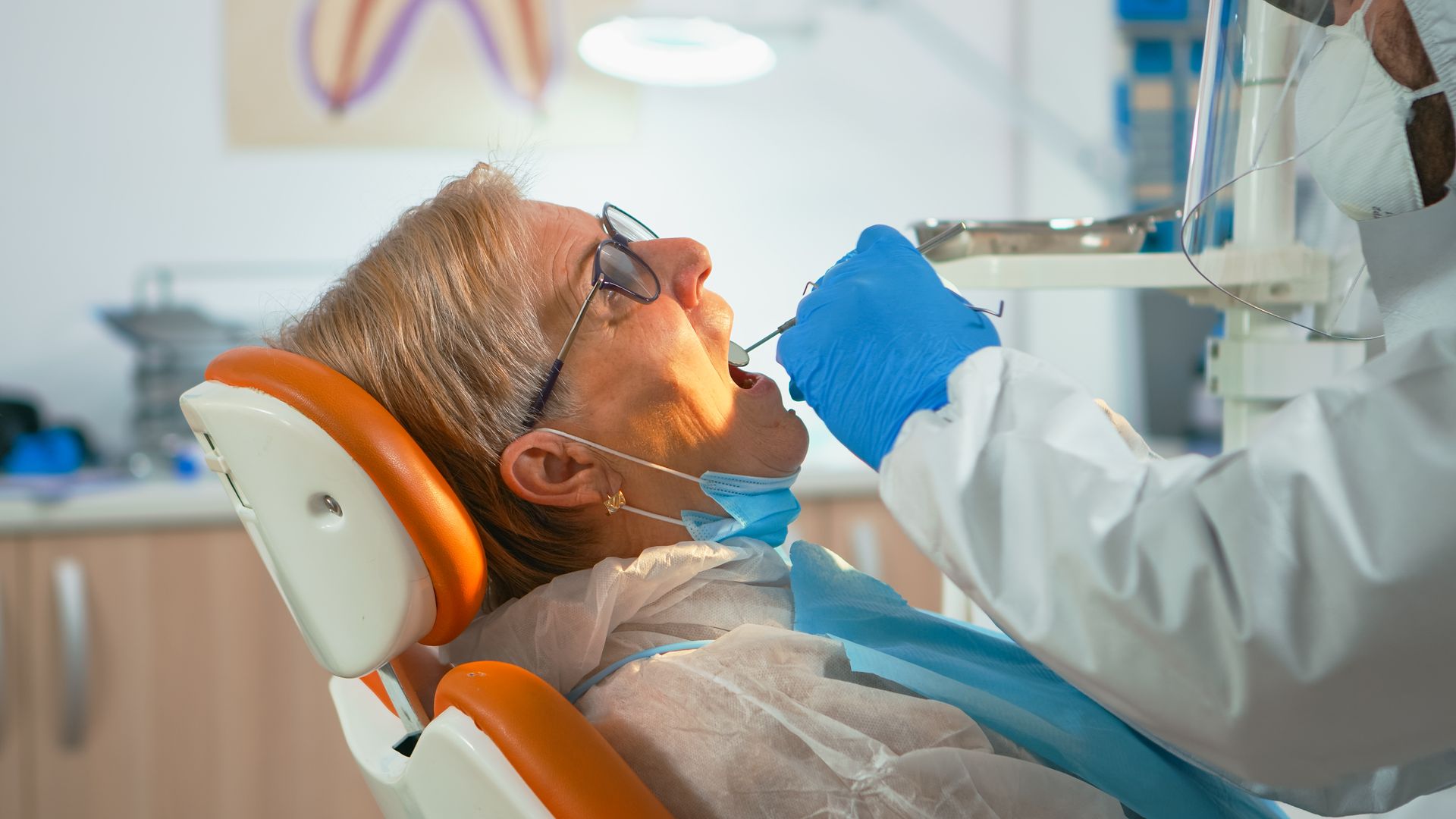
Oral sedation uses a prescription pill taken before your appointment. It helps you feel relaxed, drowsy, and less aware of what is happening around you. Many patients say it feels like they are taking a long nap.
With oral sedation for dental implants in Tucson, you still stay awake enough to respond to your dentist, but your fear of the dentist is greatly reduced. You will need a trusted adult to drive you to and from the office, and you should plan to rest for the remainder of the day.
IV Sedation
IV sedation is given through a small line in your arm or hand. The medicine works quickly and can be adjusted throughout your visit. This option is helpful for longer procedures, full mouth implant treatment, or patients with strong dental anxiety.
Under IV sedation, you are in a very relaxed, dream-like state. Most people remember little or nothing about the dental implant procedure. It can make even complex cases feel like a stress-free dental implant surgery. Your breathing, heart rate, and oxygen levels are carefully monitored for safety.
Local Anesthesia with Sedation Support
Local anesthesia numbs the gums and jaw so you do not feel pain during surgery. For many patients, local anesthesia combined with mild sedation is enough to make implant placement comfortable.
With this approach, you stay awake but feel calm, and the area being treated is completely numb. This is a good choice for patients who want a relaxing dental experience but do not need deeper levels of sedation. It is one of the local dental sedation options that can still provide a painless dental implant procedure.
Who Can Benefit from Sedation During Implant Treatment?
Sedation dentistry is helpful for many different types of patients. It can be a great option if you:
- Have moderate to severe dental anxiety
- Have a strong gag reflex
- Need several implants, implant-supported dentures, or all-on-4 implants
- Have trouble sitting still for long appointments
- Have had difficult or painful dental visits in the past
Your overall health matters, too. During your consultation, we review your medical history, medications, and any conditions like sleep apnea, heart problems, or high blood pressure. Together, we choose the safest sedation options for your dental implants so you can get the tooth replacement you need in Tucson with confidence.
What to Expect Before, During, and After Sedated Implant Surgery
Pre-treatment Evaluation
Before scheduling your implant surgery, we complete a detailed exam and imaging to plan your treatment. We also talk through your fears and goals so we can recommend the best sedation level. You will receive clear instructions about eating, drinking, and medications before your visit.
Day of Surgery
On the day of surgery, our team reviews your plan and answers any last questions. Once your sedation is started and the local anesthesia is placed, the actual implant procedure begins. You may feel some gentle pressure or movement, but you should not feel pain. Many patients say the visit goes by much faster than they expected.
Recovery and Follow-Up Care
After surgery, you spend a short time in our office while the sedation wears off. You will need someone to drive you home. Most people feel sleepy for the rest of the day and return to normal activities the next day or so, depending on the extent of the procedure. We provide written after-care instructions and schedule follow-up visits to check healing and place your final crowns or implant-supported dentures.
Benefits of Sedation Dentistry for Dental Implant Patients
Sedation dentistry offers several important benefits for implant patients:
- Reduced anxiety: Sedation can greatly lower fear, racing thoughts, and muscle tension.
- Pain-free dental implants: Combined with local anesthesia, sedation helps create a nearly painless implant experience.
- Fewer appointments: Because you are relaxed, your dentist may be able to complete more treatment in a single visit.
- Improved overall experience: Patients often feel more confident returning for future care, which supports long-term oral health.
When you feel calm and comfortable, getting the strong, stable teeth you need becomes much easier.
Choosing a Tucson Dentist Specializing in Sedation and Implants
Not every office offers the same sedation options or experience with implants. When choosing a provider, ask:
- How often do you place dental implants?
- What types of sedation do you offer for implant surgery?
- How will you keep me safe and comfortable during treatment?
- What kind of imaging or advanced dental technology do you use?
A Tucson dentist who regularly performs implant surgery and offers several sedation choices can tailor care to your needs. Look for a team that explains things clearly, listens to your concerns, and makes you feel respected and heard. This is a key part of gentle dental care and sleep dentistry in Tucson.
Ready for a Calm, Comfortable Dental Implant Experience in Tucson?
If you are living with missing or failing teeth, you do not have to let fear or past experiences stop you from getting help. Sedation dentistry for dental implants in Tucson can give you a safer, more relaxing way to rebuild your smile.
To learn which sedation options are right for you,
contact Casas Adobes Dentistry to schedule a consultation. We will answer your questions, review your health history, and design a personalized plan to help you feel confident, comfortable, and ready for your new smile.

Frequently Asked Questions About Choosing Dental Implants in Tucson
How do I know if I need a single implant or multiple implants?
The number of implants you need depends on how many teeth you're missing and where they're located. A single implant with a crown is ideal for replacing one tooth, while multiple missing teeth in a row can often be replaced with an implant-supported bridge (requiring fewer implants than missing teeth). If you're missing most or all of your teeth, full-arch solutions like All-on-4 use just 4-6 implants per arch to support an entire set of teeth. During your consultation, we'll examine your mouth, review 3D imaging of your jawbone, and recommend the most effective and cost-efficient option for your specific situation.
What's the difference between a regular dentist and an implant specialist?
While many general dentists have training in implant restoration (placing the crown on top), implant placement surgery is often performed by specialists, periodontists or oral surgeons, who have completed additional years of training specifically in surgical procedures and bone management. At Casas Adobes Dentistry, we use a team approach: board-certified specialists place the implants surgically, while Dr. Chin and our restorative team design and attach your custom crowns, bridges, or dentures. This collaborative model combines specialized surgical expertise with comprehensive general and cosmetic dental care for optimal results.
How long do dental implants last compared to other tooth replacement options?
Dental implants have the longest lifespan of any tooth replacement option, with success rates above 95% and many lasting 20-30 years or even a lifetime with proper care. The titanium implant post itself is designed to be permanent, though the crown, bridge, or denture attached to it may need replacement after 10-15 years due to normal wear. In comparison, traditional bridges typically last 5-10 years before needing replacement, and dentures often require relining or replacement every 5-7 years. Implants also help preserve your jawbone, while bridges and dentures allow continued bone loss, which can affect your facial structure over time.
Will my dental insurance cover any of the implant treatment cost?
Coverage varies significantly by plan, but many PPO dental insurance plans provide partial benefits for implant treatment. Insurance is most likely to cover the restorative components (the crown, bridge, or denture attached to the implant) and may cover some surgical costs depending on your specific plan and remaining annual maximum. At Casas Adobes Dentistry, our insurance team will review your benefits before treatment, submit pre-authorizations when helpful, and provide a clear estimate of what your insurance will cover versus your out-of-pocket responsibility. We also offer third-party financing and payment plans to make treatment more manageable.
Can I get dental implants if I've been told I don't have enough bone?
In many cases, yes. Modern bone grafting techniques can rebuild areas of the jaw that have lost bone density due to tooth loss, gum disease, or injury. Bone grafting adds natural or synthetic bone material to the weak area, which your body gradually replaces with your own bone over several months. Some patients need only a minor graft that can be done at the same time as implant placement, while others need more extensive grafting before implants can be placed. Additionally, advanced implant techniques like All-on-4 use angled implants that can often work with less bone. During your consultation, we'll use 3D imaging to assess your bone and discuss whether grafting would be beneficial for your case.
Share this Post
Casas Adobes Dentistry Blog