Dental Implants Tucson AZ: A Complete Step-by-Step Guide

If you're looking into dental implants in Tucson, AZ, you deserve clear, trustworthy info, without fluff. This guide is written from a clinical point of view by a dental team that evaluates implant candidates, plans implant cases using dental imaging, and restores implants with natural-looking crowns. That day-to-day experience helps us explain what usually happens, what can change the plan, and how to get the best long-term result.
What Are Dental Implants?
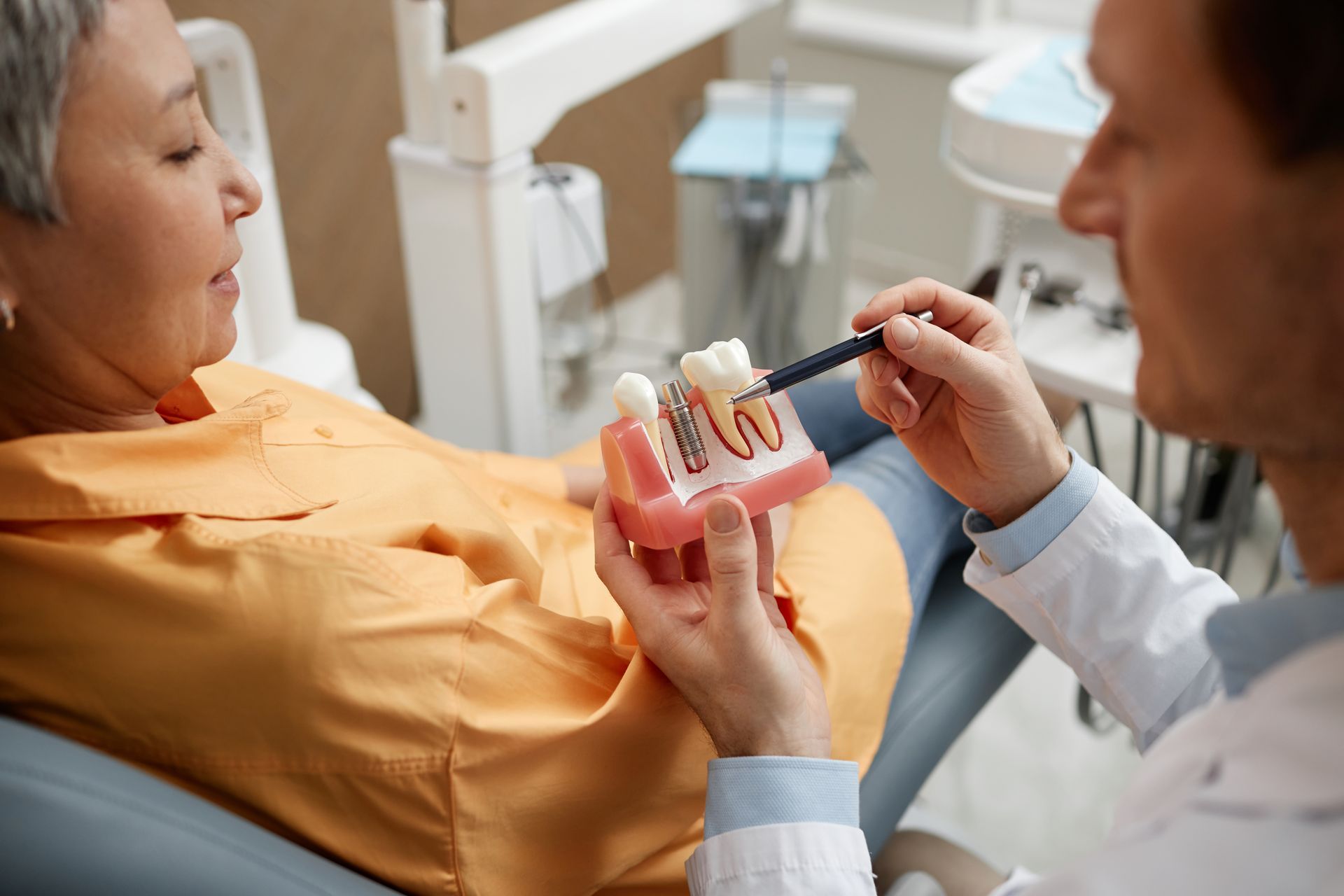
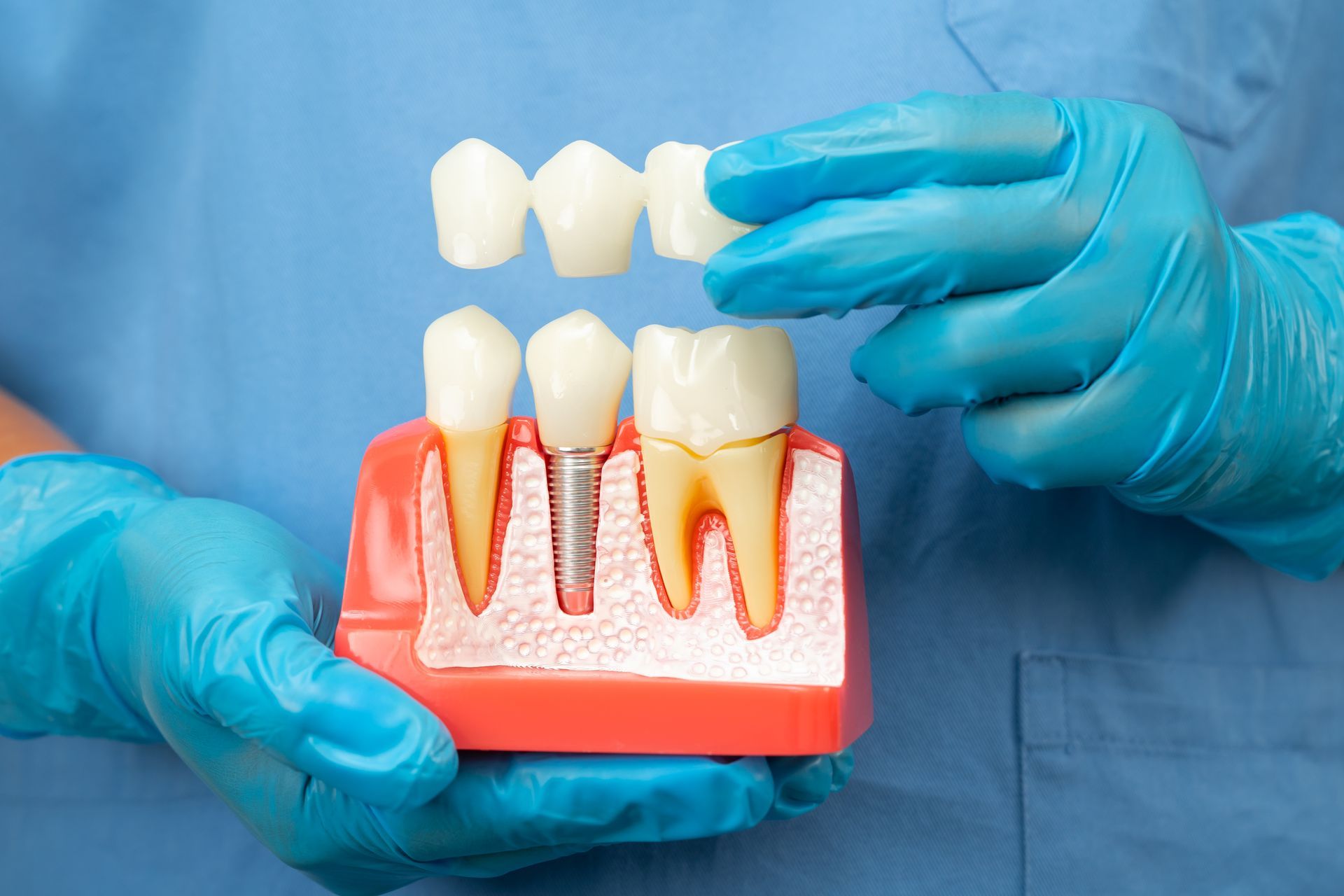
Dental implants are a long-lasting way to replace missing teeth. They act like a new tooth root and support a crown (the visible tooth), a bridge, or even implant-supported dentures.
Understanding the Basics of Implants
A dental implant is usually made of three parts:
- Abutment: The connector that sits on top of the implant
- Implant post: A small titanium (or sometimes zirconia) post placed in the jawbone
- Crown: The tooth-shaped cap that looks and functions like a real tooth
Over time, the bone can bond to the implant in a process called osseointegration. This is what makes implants feel stable when you chew and talk.
Why Choose Implants Over Dentures or Bridges?
Implants can be a great option because they often:
- Feel more like a natural tooth
- Help support jawbone health (bone can shrink after tooth loss)
- Don't rely on neighboring teeth the way a
traditional bridge does
- Can last a long time with good care
That said, implants aren't always the best fit for everyone. A good exam and plan matter. Learn more about options for replacing missing teeth to understand all your choices.
Who Is a Good Candidate for Dental Implants?
Most healthy adults can be considered for implants, but candidacy depends on a few key factors.
Bone Density and Gum Health
Implants need enough healthy bone to hold them in place. Your dentist will check:
- Bone height and thickness
- Gum health (signs of
gum disease can raise implant risks)
- Bite forces (molars need stronger support)
If gum disease is present, it usually needs treatment first.
Medical Conditions and Lifestyle Factors
Certain health factors can affect healing, such as:
- Uncontrolled diabetes
- Smoking or vaping
- Some medications that affect bone
- Immune system conditions
This doesn't always mean "no." It means your dental team may adjust timing, healing steps, or maintenance. If you experience dental anxiety about the procedure, we offer solutions to help you feel comfortable.
When Bone Grafting May Be Necessary
If there isn't enough bone, your dentist may recommend bone grafting for implants.
A graft can help rebuild the area so an implant has a solid foundation. Bone grafting may be suggested when:
- The tooth has been missing for a long time
- There was an infection that damaged bone
- The extraction site needs support for stability
Step-by-Step Dental Implant Procedure
The dental implant procedure in Tucson usually happens in phases. Many people are surprised by how organized and predictable the process can be.
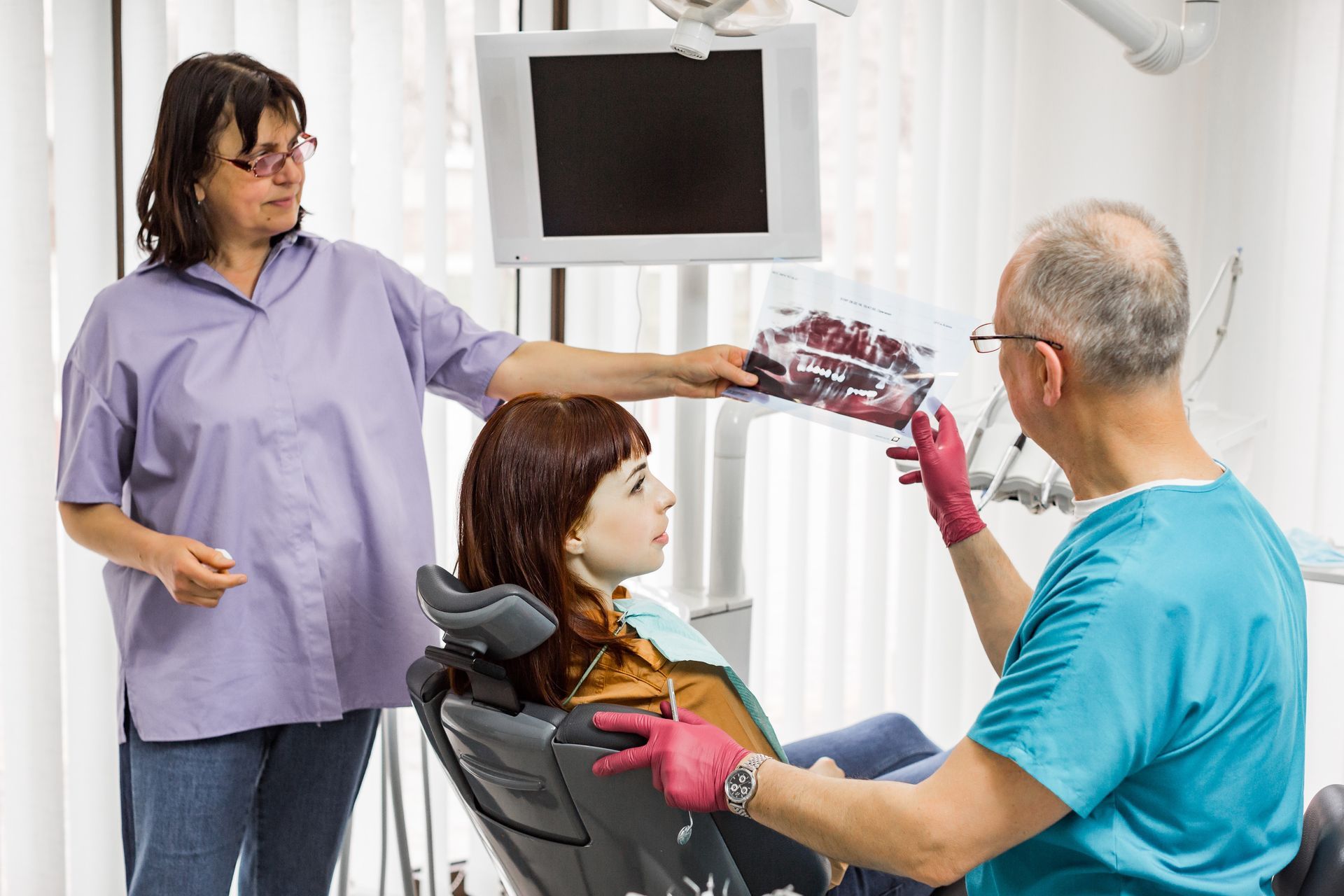
Initial Consultation and Diagnostic Imaging
Your first visit is the implant consultation. You can expect:
- A full dental exam
- Review of health history
- Discussion of goals (one tooth, several teeth, full arch)
- Imaging, often including 3D scans to measure bone and map safe placement
This is where your dentist checks spacing, bite, and the condition of nearby teeth.
Personalized Treatment Planning
After imaging, your dentist builds a plan that fits your needs. Planning often covers:
- Whether you need an extraction first
- If you need a bone graft or sinus lift (upper back teeth)
- Type of implant restoration (single crown, bridge, implant-supported denture,
All-on-4)
- Estimated dental implant timeline from start to finish
You should also get a clear discussion of benefits, limits, and alternatives.
Pre-Surgical Preparation (Cleanings, Extractions, Grafting)
Before surgery, you may need:
- A cleaning to reduce gum inflammation
- Treatment for gum disease
- A tooth extraction if the tooth is still present
- Bone grafting (same day as extraction or as a separate step)
Sometimes an implant can be placed right after an extraction. Other times it's safer to let the site heal first. If you need an extraction, understanding when a tooth extraction is necessary can help you prepare.
Implant Placement Surgery
Implant placement is a minor surgery. It's often done with local anesthesia, and some offices offer sedation dentistry for comfort.
During placement:
- The dentist makes a small opening in the gum
- A site is prepared in the bone
- The implant post is placed and stabilized
- The gum is closed or a healing cap is added
Most people say the recovery feels similar to (or easier than) an extraction.
Healing and Osseointegration
This is the "bonding" phase. The implant needs time to integrate with the bone. Healing time varies, but many cases take several weeks to a few months.
Your timeline depends on:
- Bone quality
- Whether grafting was done
- Your overall health and habits
- Location (front vs back teeth)
A temporary tooth option may be available for some smiles, depending on the location and bite.
Abutment Placement
Once healing is confirmed, the abutment may be placed. Sometimes this is done during implant surgery. Other times it's a short follow-up visit after the implant integrates.
Final Crown Attachment
Finally, the crown is made to match your smile and bite. The dentist checks:
- Shape and color
- Bite balance
- Fit at the gumline for easier cleaning
When done well, dental crowns can blend in naturally and feel stable during chewing.
Recovery and Aftercare
A smooth recovery helps protect your investment and lowers the risk of complications.
Managing Discomfort and Swelling
After surgery, it's common to have:
- Mild swelling
- Tender gums
- Minor bruising
Helpful tips often include:
- Ice packs for the first day
- Soft foods for a short time
- Following medication instructions (if prescribed)
- Avoiding smoking or vaping, which can slow healing
If pain worsens after a few days, or you notice pus, fever, or a bad taste that won't go away, you may need to see an emergency dentist.
Oral Hygiene Tips for Implant Longevity
Implants can't get cavities, but the gums and bone around them can still get infected. That's why implant care and maintenance matter. Understanding oral hygiene basics is essential for long-term success.
Daily habits that help:
- Brush twice a day at the gumline
- Floss daily (threaders, water flossers, or implant-safe floss can help)
- Keep regular cleanings and exams
- Manage grinding (a night guard may be recommended)
Foods to Eat and Avoid During Healing
During early healing, choose soft foods like:
- Yogurt, eggs, smoothies
- Soft rice, pasta, soup
- Fish, shredded chicken
Avoid:
- Crunchy chips, nuts, popcorn
- Sticky candy
- Very hard foods that stress the area
Your dentist will tell you when it's safe to return to normal chewing.
Benefits of Dental Implants
People often choose implants for comfort, stability, and long-term value.
Aesthetics and Confidence
A well-made implant crown can look like a natural tooth. It fills the gap so your smile looks complete, which can boost confidence in photos and conversations. If you're considering a complete transformation, a smile makeover might include implants as part of the treatment plan.
Durability and Functionality
Implants are designed to handle chewing forces, including in the back of the mouth. Many patients prefer implants because they feel steady and don't shift like some removable options.
Bone Health and Facial Structure Preservation
When a tooth is missing, the jawbone in that area may shrink over time. Implants can help support the bone by adding functional load during chewing. This is one reason implants can be a strong missing teeth solution.
What to Expect From Your Tucson Implant Dentist
Choosing the right provider isn't about flashy promises. It's about careful planning, clean technique, and good follow-up.
Technology Used in Modern Implant Dentistry
Many implant plans use tools like:
- Digital X-rays and 3D imaging
- Digital impressions (less messy than traditional molds)
- Guided implant planning for precise placement
These tools can improve safety and predictability, especially near nerves and sinuses. Some practices also use laser dentistry for certain procedures to enhance precision and comfort.
Sedation and Pain Management Options
Comfort matters. Depending on your case and anxiety level, options may include:
- Local anesthesia
- Nitrous oxide (laughing gas)
- Oral sedation (when appropriate)
Ask what's available, and what's best for your health history.
Cost Transparency and Financing
Dental implant cost in Tucson can vary based on:
- Number of implants
- Need for extractions or bone grafting
- Type of restoration (single crown vs bridge vs full-arch)
- Complexity of the bite and materials used
A good office will give you a written plan that explains what's included and what may be optional. If financing is offered, you should see clear terms and payment expectations.
Ready to Restore Your Smile in Tucson?
If you're considering dental implants in Tucson, AZ, the best next step is a focused evaluation with imaging and a clear treatment plan. You should leave that visit understanding your options, your timeline, and what results are realistic for your smile.
Whether you need a single tooth replacement or are exploring full mouth dental implants, our team at Casas Adobes Dentistry is here to provide expert care. Contact us today to schedule your consultation.

Frequently Asked Questions About Dental Implants in Tucson
How long do dental implants actually last?
With proper care and maintenance, dental implants can last 20-30 years or longer, many last a lifetime. The crown attached to the implant may need replacement after 10-15 years due to normal wear, but the implant post itself typically remains stable indefinitely. Success depends on good oral hygiene, regular dental visits, managing habits like grinding, and avoiding smoking.
Can I get dental implants if I have bone loss?
Yes, in many cases. If you don't have enough bone for stable implant placement, your dentist may recommend bone grafting to rebuild the area first. The graft creates a solid foundation before the implant is placed. The timeline is longer, but bone grafting significantly expands who can benefit from implants, even if you've been missing teeth for years.
What's the total timeline from start to finish?
Most cases take 3-6 months from implant placement to final crown, though this varies. If you need extractions or bone grafting first, add 3-6 months for healing. The key phase is osseointegration, where bone bonds to the implant, this can't be rushed. Some cases qualify for same-day temporary teeth, but the permanent restoration still requires full healing. Your dentist will give you a personalized timeline based on your specific situation.
How painful is the dental implant procedure?
Most patients report that implant surgery is less painful than expected, often comparing it to a routine tooth extraction. You'll receive local anesthesia during the procedure, and sedation options are available if you're anxious. Afterward, mild swelling and tenderness are normal for a few days and respond well to ice packs and over-the-counter pain relief. If discomfort increases or lasts beyond a few days, contact your dentist immediately.
Are dental implants worth the cost compared to other options?
For many patients, yes. While implants have a higher upfront cost than bridges or dentures, they often provide better long-term value because they can last decades without needing replacement. They also help preserve jawbone, don't require altering neighboring teeth, and typically feel more stable and natural. That said, "worth it" depends on your specific dental health, budget, and goals, a thorough consultation helps you weigh all factors for your situation.
Share this Post
Casas Adobes Dentistry Blog