Nervous About Dental Implants? How Sedation Dentistry Helps Tucson Patients Relax

If you are worried about getting dental implants, here is the main thing to know: sedation can help many patients feel calm, comfortable, and more in control during treatment. At Casas Adobes Dentistry, our team works with patients who have dental anxiety, strong gag reflexes, and concerns about longer procedures. That experience gives us a clear view of what nervous patients need most: honest answers, safe options, and a treatment plan that helps them feel supported from start to finish. In this guide, we will explain sedation dentistry for dental implants in simple terms, so you know what to expect and how it can make care feel easier.
For many people, the idea of implant surgery sounds stressful before they even step into the office. They may worry about pain, needles, sounds, or just not knowing what will happen. That fear is common. The good news is that sedation dentistry can help reduce that stress and make treatment feel much more manageable.
Why Dental Implant Treatment Can Feel Intimidating
Common reasons patients feel anxious about implant procedures
Dental implant treatment can sound like a big step. Even when patients want the long-term benefits, they may still feel nervous about the process. Some people worry about the procedure itself. Others feel anxious because of a bad dental experience in the past.
For many patients, fear starts with the unknown. They may not know how implants work, how long treatment takes, or what it will feel like during the visit.
How fear of pain, sounds, needles, or loss of control can affect treatment decisions
Patients often put off needed care because of fear. They may worry about pain, hearing dental tools, getting injections, or sitting through a longer appointment. Some people also dislike feeling like they cannot control what is happening.
This is one reason patients dealing with dental anxiety often look into sedation options before they agree to treatment.
Why dental anxiety should be addressed, not ignored
Dental fear is not something patients should feel embarrassed about. It is real, and it can keep people from getting care that could improve their health and quality of life. When anxiety is addressed early, treatment often feels less overwhelming.

What Sedation Dentistry Means for Dental Implant Care
How sedation helps patients feel calm and comfortable
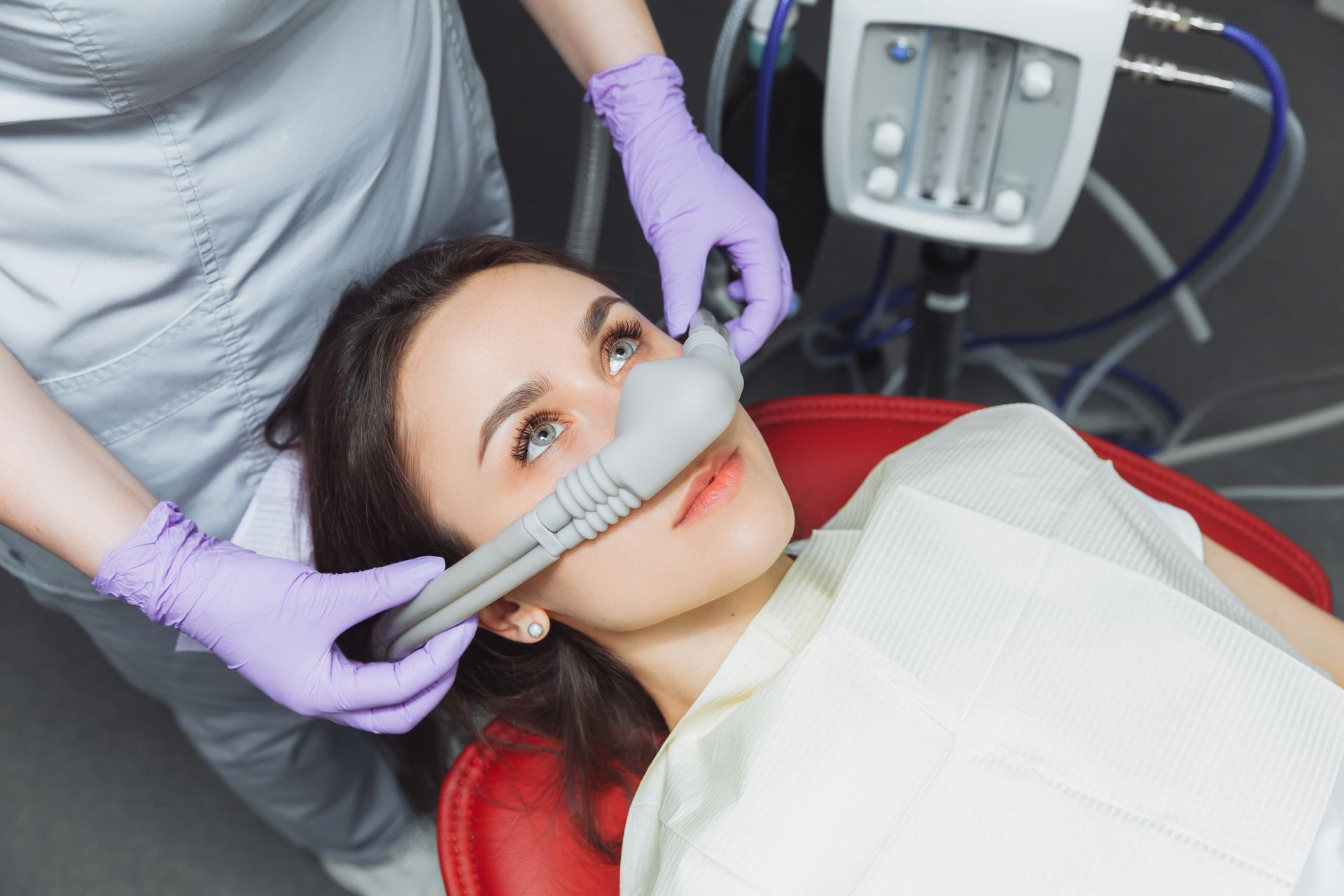
Sedation dentistry uses medication to help patients relax during treatment. Depending on the type used, sedation can make you feel calm, drowsy, and less focused on the sights and sounds around you.
For many people, sedation options make the visit feel easier than they expected.
Why sedation is often used alongside local anesthesia
Sedation does not replace local anesthesia. In most implant cases, the area being treated is still numbed. The local anesthesia helps block pain, while sedation helps lower fear and make the experience feel more relaxed.
This combination can help patients feel comfortable both physically and mentally.
What patients can expect to feel during sedation
The feeling depends on the type of sedation used. Some patients feel lightly relaxed but awake. Others feel very drowsy and remember little about the procedure. The goal is not always to make patients fully asleep. In many cases, it is to help them feel calm and less aware of the stress of treatment.
How Sedation Dentistry Helps Tucson Patients Relax During Implant Treatment
Reducing fear before the procedure begins
For many people, the hardest part is the buildup before the appointment. Sedation can help lower stress before treatment even starts. When patients know there is a plan to help them relax, they often feel more confident moving forward.
Making longer appointments feel easier
Some implant cases are short, but others take more time. That is especially true for full-mouth implant treatment or more complex cases. Sedation can make longer visits feel easier to handle.
Helping patients feel less aware of sounds, time, and discomfort
Sedation may help patients feel less focused on sounds, pressure, time, and general tension during care. That can make the visit feel faster and less stressful.
Creating a more positive overall treatment experience
When patients feel calmer during treatment, they often leave with a better memory of the visit. That matters, especially for people who have avoided dental care because of fear.
Types of Sedation That May Be Used for Dental Implants
Oral sedation for mild to moderate anxiety
Oral sedation is usually taken as a pill before the appointment. It can help patients feel calm and drowsy. Many people stay awake but feel much more relaxed. This may be a good fit for mild to moderate anxiety.
IV sedation for deeper relaxation during complex or longer cases
IV sedation is often used when a patient needs deeper relaxation. It may be helpful for more complex implant treatment, full-mouth cases, or patients with stronger anxiety. Many patients prefer this option because it can make even lengthy procedures feel much easier to get through.
Nitrous oxide for lighter, fast-acting anxiety relief
Nitrous oxide, sometimes called laughing gas, is a lighter form of sedation. It works quickly and wears off quickly too. This may be useful for patients with mild anxiety who want help relaxing but do not need deeper sedation.
How the right sedation option depends on the patient and procedure
The best choice depends on the patient's health, anxiety level, and type of treatment. A short, simple case may need a different approach than a full-arch implant procedure. This is why a sedation consultation matters. Our sedation dentistry page covers the options available and what to expect.
Who May Benefit Most From Sedation During Dental Implants
Patients with dental anxiety or past negative experiences
Sedation can be especially helpful for patients who have always felt nervous about dental work or who had a difficult experience in the past. For these patients, sedation may make treatment feel possible again.
Patients with a strong gag reflex or difficulty sitting still
Some patients are not mainly afraid of pain. Instead, they struggle with a strong gag reflex, jaw tension, or trouble sitting still for long visits. Sedation can help with those challenges too.
Patients having complex, full-mouth, or longer implant procedures
Complex cases often take more time and require more patience during treatment. Sedation can make these visits easier for both the patient and the dental team. This is especially relevant for patients considering All-on-4 dental implants or other full-arch solutions where the procedure is more involved.
Patients who want a more relaxed and manageable visit
Some patients choose sedation simply because they want treatment to feel easier. That is a valid reason. Feeling calm during care can make a big difference.
What to Expect During a Sedated Dental Implant Appointment
Pre-treatment consultation and health review
Before treatment, the office should review your medical history, current medications, and overall health. This helps decide which sedation option is safest and most appropriate.
Preparing for the day of treatment
Preparation depends on the type of sedation. You may be asked not to eat for a certain number of hours before the appointment. Some types of sedation also require you to have someone drive you home.
What happens during the implant procedure with sedation
On the day of treatment, the team will make sure you are comfortable before starting. The area will be numbed, and the sedation will help you stay relaxed throughout the procedure. You may still be awake, but the experience usually feels easier and less stressful.
Monitoring, recovery, and discharge instructions
During treatment, the team will monitor you closely. After the procedure, you will be given instructions for recovery. Depending on the type of sedation used, you may feel sleepy for a while after the visit.
Is Sedation Dentistry Safe for Dental Implant Patients?
How screening and medical history help protect patient safety
Sedation should always start with careful screening. Your medical history matters because some conditions or medications can affect which type of sedation is best for you.
Why professional monitoring matters during treatment
Safety does not depend only on the medication. It also depends on trained professionals watching how you are doing during the procedure. Good monitoring helps keep treatment safe and smooth.
How sedation is matched to the patient's needs and comfort level
Not every patient needs the same level of sedation. A safe plan is one that matches your needs, your health, and the type of implant treatment being done.
Benefits of Sedation Beyond Anxiety Relief
Better comfort during longer procedures
Sedation is often used to reduce anxiety, but it also makes longer visits more physically comfortable. Patients may feel less tense and more able to get through treatment without added strain.
Reduced muscle tension and gag reflex
A strong gag reflex or tight jaw muscles can make dental care harder. Sedation may help reduce both, which can make treatment smoother for everyone involved.
Improved cooperation and smoother treatment flow
When patients feel calmer, it is often easier for the dental team to complete treatment without frequent breaks or interruptions. That can improve the overall experience.
A more supportive experience for patients returning to dental care
For patients who have delayed treatment for years, sedation can be part of rebuilding trust. A calmer visit may help them feel more comfortable returning for future care, including the multiple visits that dental implant treatment often involves.
Sedation vs No Sedation for Dental Implants
How the experience may differ in comfort and stress level
Some patients do well with local anesthesia alone. Others feel much better with added sedation. The difference often comes down to anxiety level, procedure length, and personal comfort.
Why some patients feel treatment passes more quickly with sedation
Patients often say time feels shorter with sedation. Even when the procedure takes a while, they may feel less aware of it.
When sedation may make the implant process feel more approachable
For nervous patients, sedation can turn a treatment they feared into one they feel able to handle. That alone can be the deciding factor in moving forward with care they have been putting off. If cost concerns are also part of the hesitation, reviewing dental implant financing options in Tucson alongside sedation options can help address both obstacles at once.
Recovery After Sedation for Dental Implants
What patients may feel right after the visit
Recovery depends on the type of sedation used. With lighter sedation, patients may feel normal fairly quickly. With deeper sedation, patients may feel sleepy or groggy for a while.
Why rest and aftercare instructions matter
After any sedated visit, it is important to follow instructions carefully. Rest, hydration, and having support at home can all help recovery go smoothly.
How recovery can vary by sedation type
Nitrous oxide wears off quickly. Oral sedation and IV sedation usually take longer to wear off. Your provider should explain what to expect based on your specific plan.
Choosing a Tucson Provider for Sedation and Implant Care
Why experience with anxious patients matters
Not every nervous patient needs the same type of support. A provider with experience helping anxious patients often knows how to explain things better, move at the right pace, and create a calmer experience overall.
What to look for in communication, comfort, and safety protocols
Look for a provider who answers questions clearly, explains sedation choices, reviews safety steps, and helps you know what to expect before treatment day. Reading through patient reviews can also give you a sense of how an office handles nervous patients in practice.
Why personalized planning can make treatment feel less overwhelming
A personalized plan can make implant treatment feel much more manageable. That includes not just the procedure itself, but also how anxiety, comfort, and recovery are handled. Our guide on choosing the best dental implants provider in Tucson can help you know what questions to ask during that process.
Final Thoughts on Sedation Dentistry for Dental Implants in Tucson
Why fear should not keep patients from restoring their smile
Being nervous about dental implants is common. It should not stop you from learning about your options or getting the care you need. Sedation can help make treatment feel calmer, easier, and more approachable.
How sedation can make implant treatment feel more manageable, comfortable, and realistic
For many patients, sedation dentistry is what helps them finally move forward with implant treatment. Whether the goal is lighter relaxation or deeper comfort during a longer procedure, the right sedation plan can make a big difference. When patients feel safe, informed, and supported, dental implants can stop feeling scary and start feeling possible.

Frequently Asked Questions
Will I be completely unconscious during sedated dental implant treatment?
Not necessarily, it depends on the type of sedation used. Nitrous oxide and oral sedation typically leave patients awake but deeply relaxed. IV sedation produces a deeper state where many patients have little to no memory of the procedure, though full general anesthesia is different and less commonly used for routine implant cases. Your provider will explain exactly what to expect based on the option recommended for you.
Can I eat or drink before a sedated dental implant appointment?
It depends on the sedation type. Nitrous oxide usually has no food restrictions, while oral and IV sedation typically require fasting for several hours beforehand. Your provider will give you specific preparation instructions in advance. Following them carefully is important for your safety.
Do I need someone to drive me home after sedation?
Yes, for oral sedation and IV sedation you will need a responsible adult to drive you home and stay with you for a period afterward. The medication can continue to affect coordination and alertness after the procedure is complete. Plan for this ahead of your appointment.
Is sedation safe if I have other health conditions?
For most patients, sedation is safe when properly screened and monitored. Your provider will review your full medical history and current medications before recommending any sedation option. Some conditions or medications may affect which type is most appropriate for you, which is why a thorough consultation always comes first.
Does sedation cost extra, and is it worth it for dental implant treatment?
Sedation does typically add to the overall treatment cost, and coverage varies by insurance plan. For patients with significant anxiety, a strong gag reflex, or longer procedures, most find the added comfort well worth it. It can also help treatment go more smoothly, which benefits the outcome. Ask your provider to include sedation costs in your written treatment plan so you can plan your budget accordingly.
Share this Post
Casas Adobes Dentistry Blog