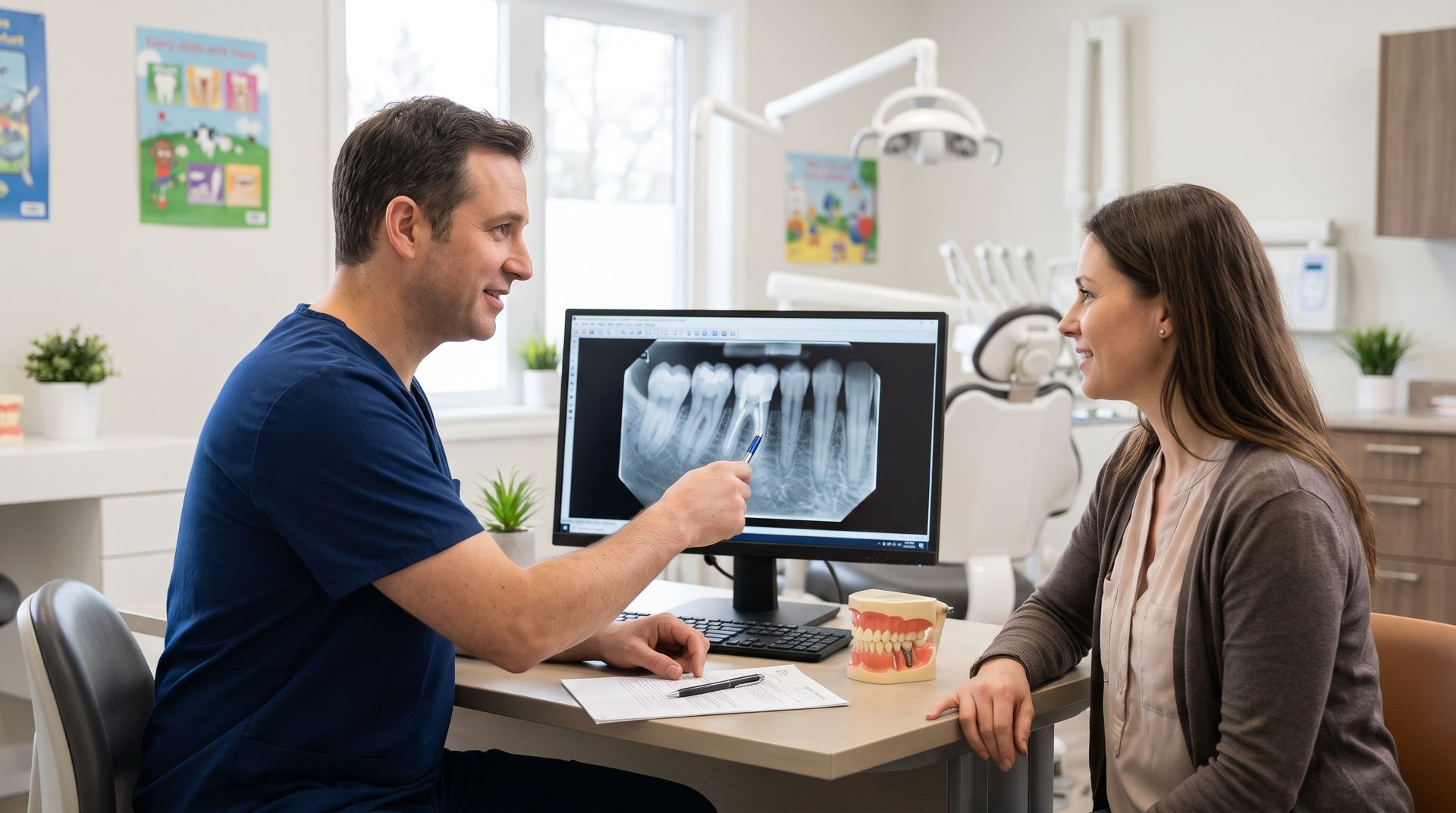
Who Is a Candidate for Dentures?

Dentures offer a great way to replace your missing teeth. The main reason people get dentures is tooth loss.
Many people lose teeth due to periodontal disease, poor oral care, or natural aging. Other common causes include severe tooth decay, facial or jaw injury, or tooth extraction. Although dentures are usually used to replace missing teeth, they are not right for everyone.
Dentures
Dentures are popular because they are removable and make it easier for people to eat and speak properly. These appliances can also improve one’s appearance. Ideal candidates for dentures are men and women who are missing some or all of their teeth. But patients must have adequate healthy gum tissue and jawbone.
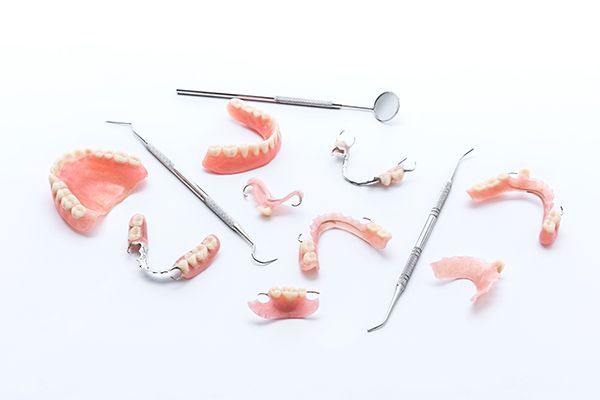
Types of dentures
Complete dentures, also called full dentures, are ideal for patients who are missing all of their teeth. Partial dentures are usually used to replace some missing teeth. Partial dentures use clasps to anchor onto the remaining teeth, which makes them more stable. Sometimes, these dentures prevent other teeth from shifting position. Most times, the number of missing teeth will determine the type of denture suitable for a patient, and a denture can last for several years before it has to be replaced.
Denture care and maintenance
Dentures usually last for about five to 10 years, but this varies depending on the patient. Over time, a denture will need to be rebased, relined, or remade because of normal wear. As people age, the mouth naturally changes, which usually affects the fit of a denture. Seeing a dental professional occasionally for a dental checkup is recommended. Regular checkups make it possible for the dentist to keep an eye on the patient’s oral health and ensure the dentures are working correctly. A dental provider will advise a patient how often to visit.
Dentures are fragile and can easily break if they fall. So, it is advisable to stand over a basin of water or a folded towel when handling dentures. Most types of dentures need to stay wet at all times to keep their shape. When a denture is not worn, it should be placed in water or a denture cleanser soaking solution. Storing them in the same place after removing them can help to avoid misplacing them.
The appliances must be brushed every day to remove food deposits and plaque. It will also aid in preventing them from becoming stained. It is wise to get a brush that is specifically made for cleaning dentures. People can also use a toothbrush with soft bristles. Using a hard-bristled brush is not recommended because it can damage or wear down the dentures. After eating, an individual needs to remove the dentures and rinse off any loose particles.
Talk to your dentist
People who have missing teeth and have trouble speaking and eating normally can benefit from getting dentures. With customized dentures, you will be able to talk and eat properly. If you are not sure if dentures are right for your situation, consult with your dentist. Your dentist will help you determine the treatment option that will meet your needs.
Check out what others are saying about our dental services on Google: Dentures and Partial Dentures in Tucson, AZ
Call Us Today
Request an appointment or call Casas Adobes Dentistry at (520) 365-0559 for an appointment in our Tucson office.
Share this Post
Casas Adobes Dentistry Blog