Which Type of Sedation Dentistry Works Best?

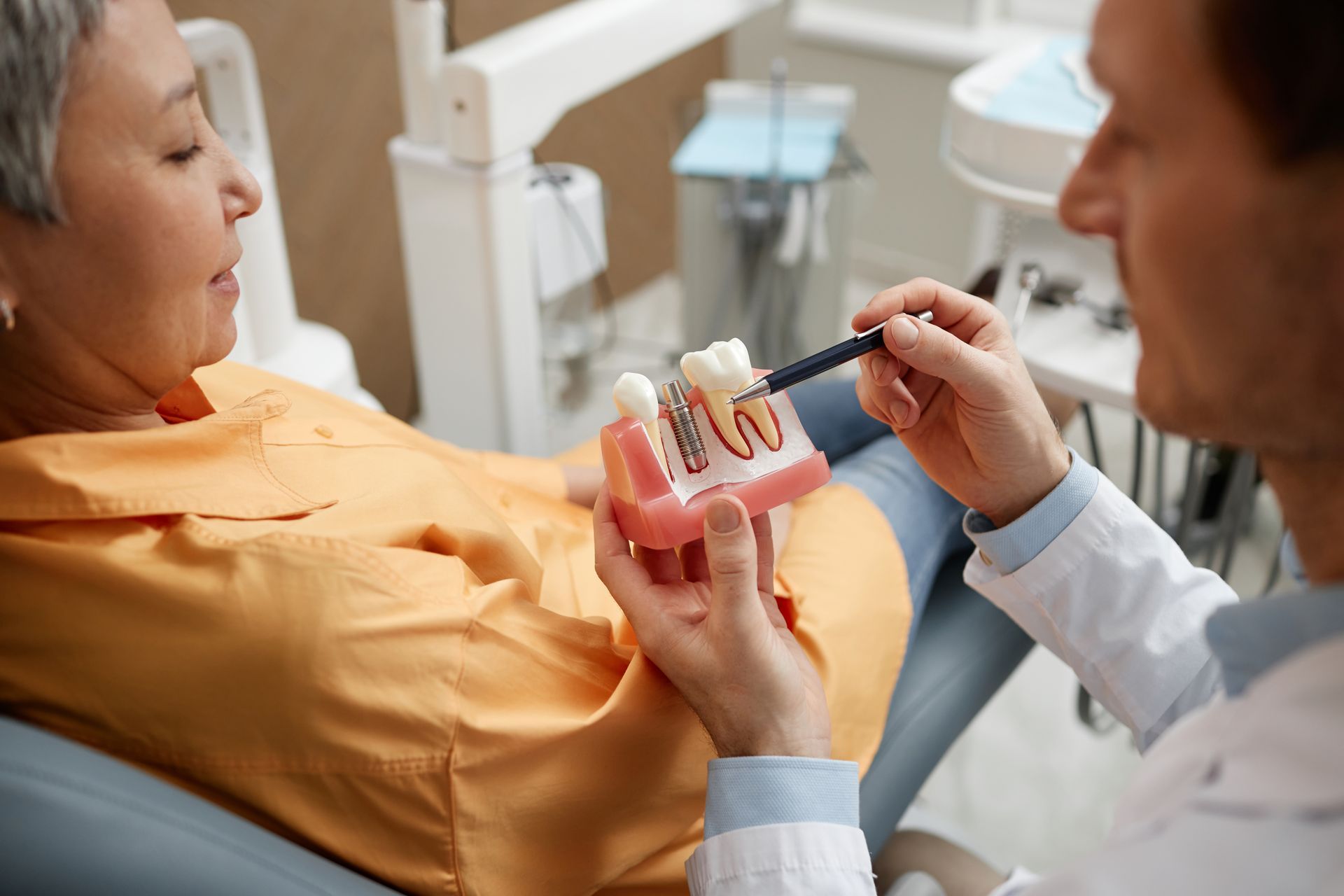
Whether you are scheduled for a dental procedure that requires sedation dentistry or are simply interested in learning more about it before your consultation visit, understanding what sedation dentistry is and the different types that are available is helpful. In essence, sedation dentistry is a way to minimize discomfort and help the patient relax during treatment.
Different types of sedation dentistry
The primary types of sedation dentistry are laughing gas, oral sedation and IV sedation. Sedation may not be necessary for certain procedures, although patients can request it if they are concerned about potential discomfort. The following is a review of each type of sedation dentistry, with insights into when each one may be the best solution.
Laughing gas
Laughing gas, also called nitrous oxide, is a mild and safe form of sedation. During the procedure, the patient wears a mask. This provides nitrogen and oxygen, which causes the patient to feel more relaxed during the procedure. This is a good option for minimally invasive procedures and patients who have a mild form of dental anxiety. The effects of laughing gas wear off relatively quickly after the mask is removed. The patient can drive home themselves after treatment.
Oral sedation
Oral sedation involves taking a pill or multiple pills with the supervision of the dentist. These pills make the patient feel less awake and aware during the procedure, although they are still conscious and able to effectively communicate with the dentist and the rest of the staff. Patients often report not remembering much after a procedure with oral sedation. Patients should talk to their dentist about what preparations they need to make. For optimal safety, patients are sometimes encouraged to arrange for a ride home after the procedure.
IV sedation
IV sedation is utilized less often than nitrous oxide and oral sedation. It is a stronger form of sedation that makes the patient feel sleepy and much less aware. However, they are not knocked out during the procedure and still have the ability to communicate. This form of sedation (which many refer to as “twilight”) is best for more invasive procedures and patients who have dental phobia. General anesthesia, which causes the patient to be unconscious, is also a form of sedation dentistry.
No sedation
Depending on how invasive and potentially painful the dental procedure is, patients may not need any sedation if they are do not have issues with dental anxiety or phobia and are content with a minor amount of pain. Often, common procedures, such as dental cleanings and cavity fillings, do not require sedation.
A general dentist can help you decide the best type of sedation
Here at our dental practice, we offer nitrous oxide, oral sedation and IV sedation. We believe that every patient should be as comfortable as possible and safe during the procedure, and we can help you decide on the right type of sedation dentistry based on the dental work you need and your personal preference.
Request an appointment here: https://www.casasadobesdentistry.com or call Casas Adobes Dentistry at (520) 365-0559 for an appointment in our Tucson office.
Share this Post
Casas Adobes Dentistry Blog