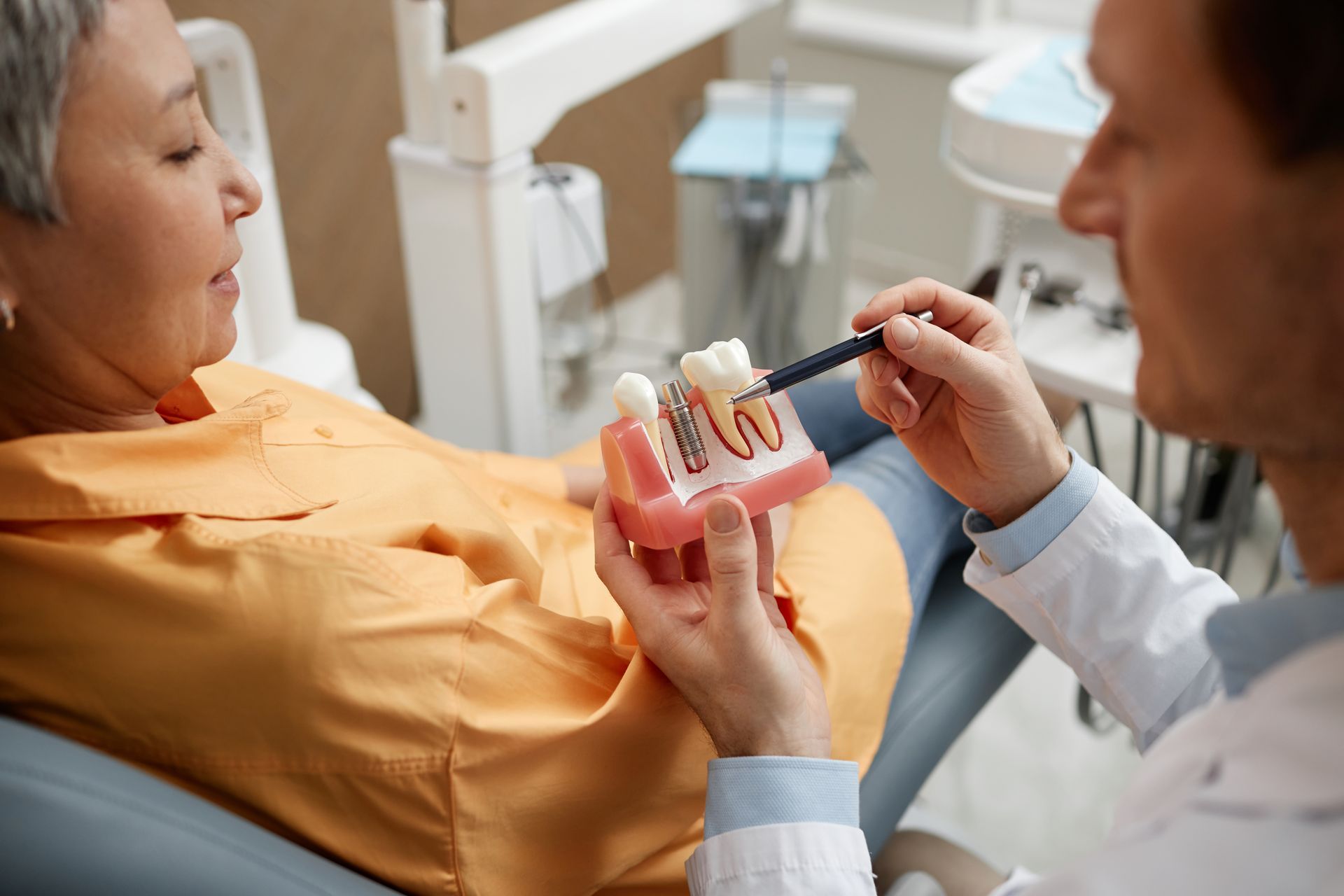
How LANAP® Can Treat Bleeding Gums

LANAP® is a non-invasive treatment option for gum disease. The acronym stands for Laser-Assisted New Attachment Procedure. LANAP tackles the oral infection known as gum disease. Read on to find out how LANAP can mitigate and even reverse gum disease.
LANAP and traditional gum treatment for gum disease: A comparison
Treating periodontal disease boils down to the removal of the infection. In mild cases of gum disease, the infection might clear up with improved oral hygiene and a few teeth cleanings. However, severe gum disease requires the physical removal of the plaque and tartar causing the infection.
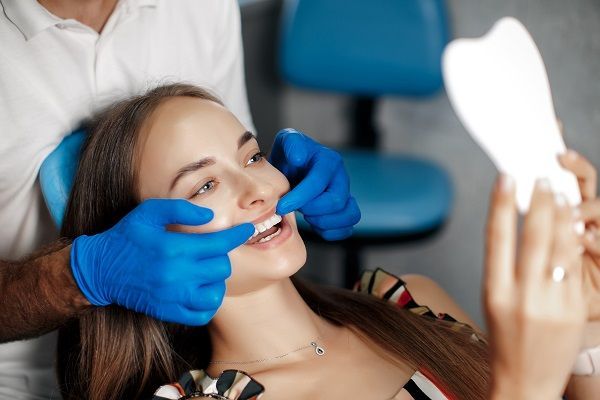
Traditionally, dentists use metal tools to perform deep cleanings. This is an intensive procedure that requires up to a week to recover from, plus plenty of painkillers. Fortunately, lasers can now be used to kill off extensive infections without making a single incision. Here is what to expect from the treatment:
LANAP treatment: A step-by-step description
The first step of any dental treatment is an evaluation and diagnosis. This is the phase where a dentist or periodontist gets to the root cause of a patient’s bleeding gums. If the dentist discovers deep gum pockets and other symptoms of gum disease, treatments like LANAP might be recommended. Here is what the process looks like:
- First, the dentist will numb the part of the mouth being worked on with a local anesthetic
- A specific type of laser is then used to destroy bacteria on teeth roots and gum pockets
- The dentist will then switch to a scaling tool to remove tartar from teeth roots
- The patient's teeth are adjusted, so they come together as the patient's gum tissues heal from the treatment
- Once again, the dentist or periodontist will expose the patient's gums to laser energy to reattach gum tissues to tooth roots
- The dentist will then use the patient’s blood or fibrin clots to seal their gum pockets
The laser from the LANAP procedure promotes stable blood clots, which prevents bleeding during and after the procedure.
Benefits of LANAP
LANAP stimulates the regeneration of gum and bone tissue. It also ensures a reversal of gum recession, a benefit that is not guaranteed with traditional gum flap surgery.
LANAP only requires an hour or so in the dentist’s chair. This non-invasive procedure enables the patient to resume their daily schedule with few adjustments. Recovery takes about three days, which is near-instant compared to weeks of recovery for gum-flap surgery. Also, there is little to no bleeding during and after the LANAP procedure.
The ideal candidate for LANAP
Dentists and periodontists make custom treatment plans for individual patients. For example, a highly advanced case of periodontal disease may require a larger treatment plan that could include grafts of gum and bone tissue.
We can meet all your oral health needs in one place
Our practice is equipped to treat different categories of oral health issues, including gum problems. We provide LANAP treatment for patients dealing with periodontitis. Get in touch with us to take advantage of our services.
Request an appointment here: https://www.casasadobesdentistry.com or call Casas Adobes Dentistry at (520) 365-0559 for an appointment in our Tucson office.
Share this Post
Casas Adobes Dentistry Blog