An Oral Surgeon Talks About Oral Surgery and Gum Recession

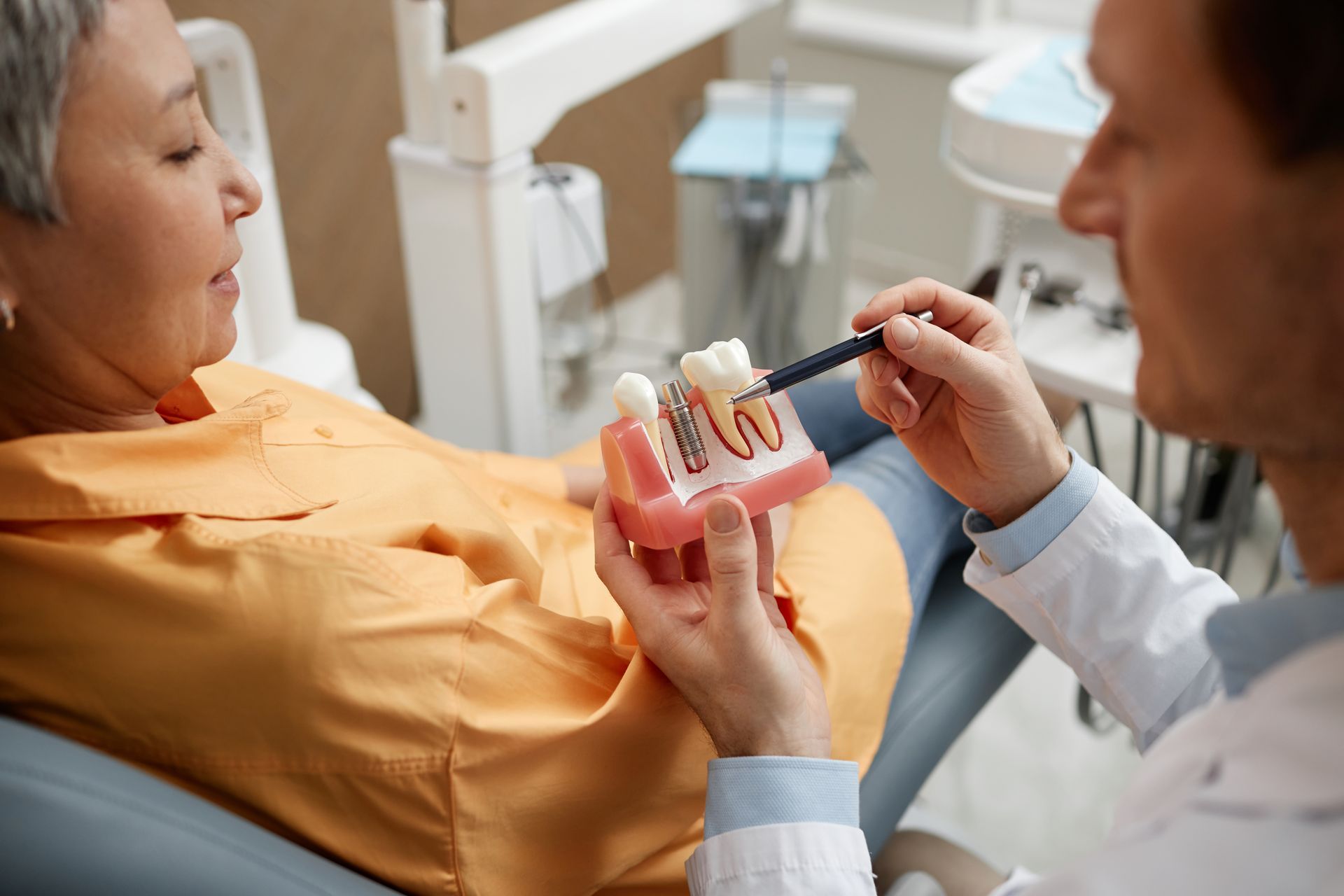
If you need to undergo oral surgery for gum recession, an oral surgeon can help. The idea may not sound pleasant, but treating gum recession is beneficial for your smile and oral health. The oral surgeon will make the gum graft procedure as comfortable as possible and ensure that your teeth are shielded from the harm caused by gum recession.
Gum recession
Gum recession occurs when the gum tissues around the teeth start to pull away or deteriorate. Gum recession occurs gradually and may continue for several years. The process exposes the tooth and its fragile root.
As the gum pulls back from the teeth, pockets develop in the gap, creating an entry point for bacteria to grow and damage the tissues supporting the teeth and gums. Patients may ultimately experience pain, tooth loss and structural damage. It is advisable that patients who suspect that they might have receding gums visit a dental office for evaluation. Gum recession needs to be treated promptly to keep the teeth functional, healthy and aesthetically pleasing.
Causes of gum recession
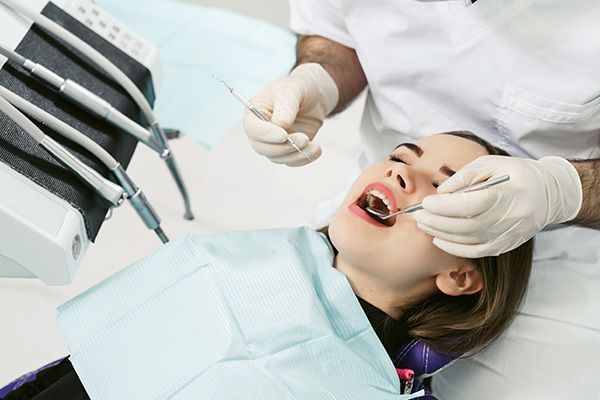
Gum recession has many causes but genetics is a primary factor. Up to 30 percent of patients have a genetic predisposition for gum recession. Brushing and flossing vigorously every day can also catalyze gum recession. Firm pressure is indeed required to get rid of plaque from the teeth and gum, but the goal is better achieved with a good quality toothbrush.
Periodontitis, the advanced form of gum infection, is another condition that causes gum recession. Gum disease causes chronic inflammation and deterioration of the gums due to the bacteria present. Initial infection is usually caused by frequent smoking, poor oral hygiene, genetics, hormonal changes, diabetes and poor health.
If left untreated, periodontal disease can worsen and cause gum recession and damage to the structures of the oral cavity. Proper care of the teeth and gums is important in the fight against gum recession.
Oral surgery for gum recession
If receding gums are caused by plaque accumulation, a cosmetic dentist will perform oral cleaning as the first line of action to prevent further recession. In extensive cases of gum recession or when scaling and root planing are not enough to restore the gums, the dentist may recommend a gum graft. The gum graft surgery involves transferring tissues from another part of the oral cavity to the gums.
Gum recession may cause the teeth to protrude or appear longer. With gum surgery, the dentist can restore them to their original look. Other oral surgery options available for gum recession include pocket reduction surgery and tissue regeneration procedure. Oral surgery for gum recession is effective for rebuilding gum tissues. The process protects against tooth sensitivity and shields the tooth roots from decay.
Final note
When a patient visits the dental office about gum recession, the oral surgeon will explain the options available to restore the appearance and health of the person’s smile.
Request an appointment here: https://www.casasadobesdentistry.com or call Casas Adobes Dentistry at (520) 365-0559 for an appointment in our Tucson office.
Share this Post
Casas Adobes Dentistry Blog