Dental Sealants and Oral Health FAQs

Children need every preventive measure available to keep their oral health in top condition, which can include dental sealants. When it comes to children’s dental health, tooth decay remains the leading problem affecting children. The dentist uses dental sealants to protect a child’s teeth from the harmful effects of cavities. Continue reading to find answers to commonly asked questions.
What are dental sealants?
A sealant is a transparent plastic varnish that covers the chewing surfaces of the back-row teeth: molars and premolars. They have grooves (pits and fissures) that make them harder to clean and more prone to cavities. Dental sealants protect the grooves by providing a smoother surface that makes plaque and food debris slide off the teeth more easily.

How will the dentist apply dental sealants?
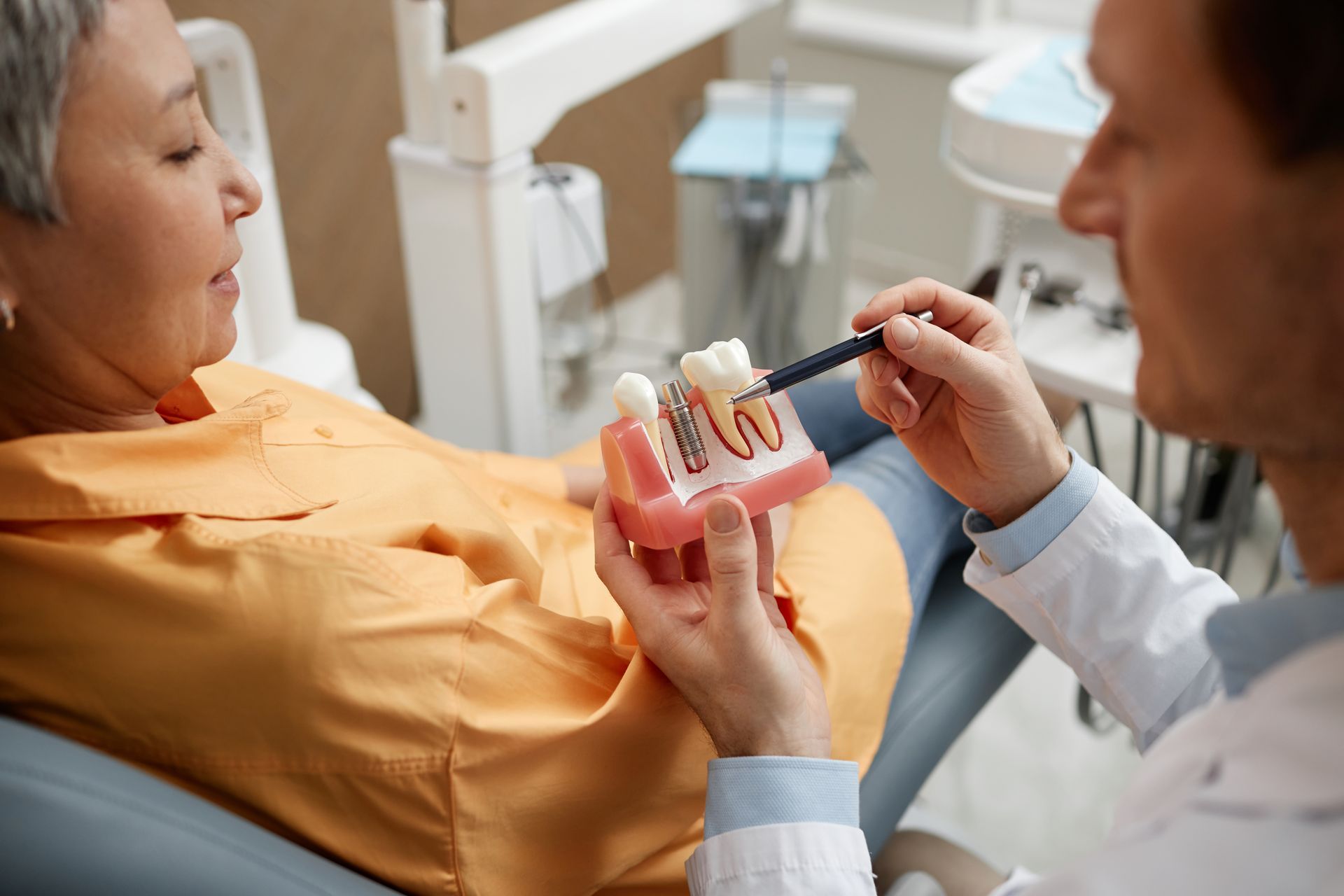
The process lasts only a few minutes. The dentist will clean the child’s teeth before applying a conditioning solution over the chewing area. This liquid etches the surface to allow the sealant to adhere to the tooth. The dentist will clean the liquid and paint the sealant over the teeth. Afterward, they will harden it over the tooth using a curing light. After the sealant hardens, it becomes a hard plastic coating, and the patient can chew with their teeth again.
Does the process hurt?
The procedure is not painful. For children who have dental anxiety, the dentist will try to make them as comfortable as possible. Placing dental sealants is non-invasive and requires no recovery period.
How long do sealants last?
Sealants are not meant to be a permanent solution, so patients still need to come to the dental office for a routine checkup. The dentist will be able to check if the sealants are intact or compromised. With adequate care, sealants can survive up to nine years or more. If necessary, broken sealants can be restored.
When should someone get sealants?
As soon as the child’s premolars and molars start to come in, parents need to visit the dentist about getting sealants. The earlier the sealants are applied, the earlier they can shield the back teeth from getting tooth decay. The first application of sealants happens when the child is around six, when the first molars develop. After the second set of molars erupt (often around age 12 or 13), then the child can come in for sealants.
Check out what others are saying about our dental services on Google: Dental Sealants in Tucson, AZ.
Can adults also get dental sealants?
Although it is rare, adults who are prone to cavities can also get dental sealants on teeth that have not been filled or previously covered in sealants.
Is fluoride still necessary after getting dental sealants?
Yes. Dental sealants are only effective for the surface of the teeth they cover. Fluoride helps protect other areas of the teeth by remineralizing the enamel and fortifying it against cavities.
In conclusion
If you are interested in providing dental sealants for your child to protect their oral health, book a consultation appointment with the dentist. They will be happy to answer any questions you have about the process.
Request an appointment or call Casas Adobes Dentistry at (520) 365-0559 for an appointment in our Tucson office.
Share this Post
Casas Adobes Dentistry Blog